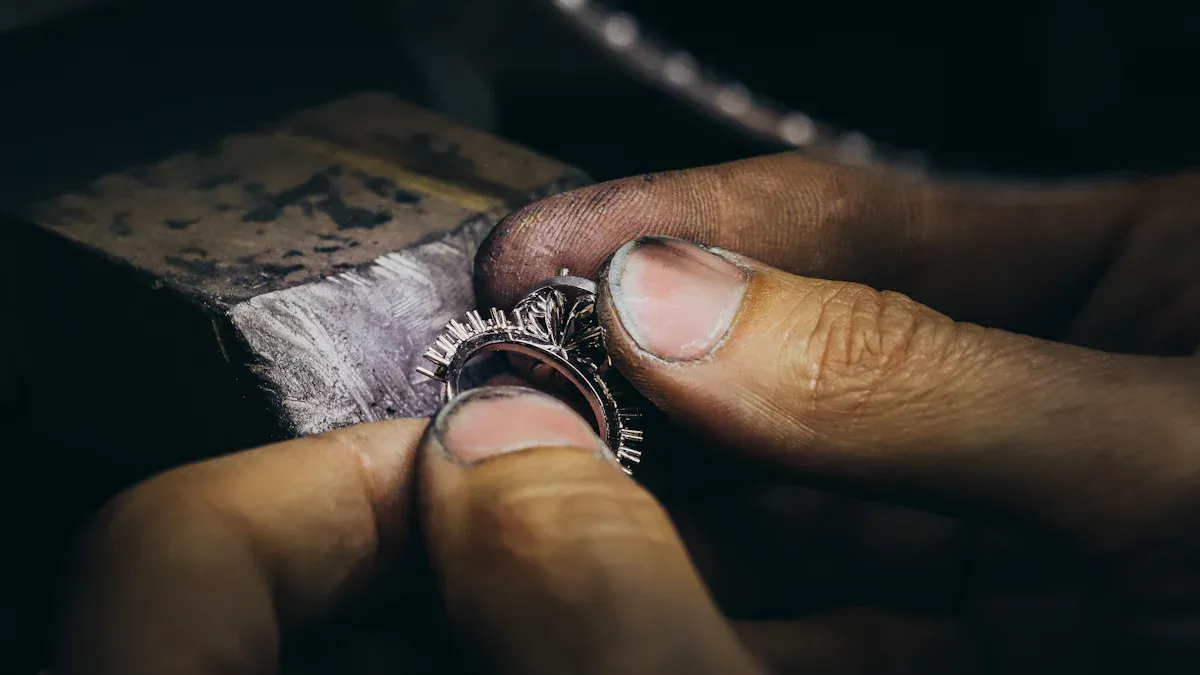
A jewelry prototype is a sample you use to test your design before making the real piece. This step helps you turn ideas into real things. It lets you check how your jewelry looks and feels. You can use hand sketching or CAD/3D tools to make designs. You can make a modern bohemian ring or a classic piece. At Perfect Jewelry, you work with expert designers in a special jewelry shop. This teamwork lets you give feedback and see changes fast. Research shows that prototyping makes quality and satisfaction better:
Evidence | Description |
|---|---|
Rapid production of prototypes | Designers make detailed models fast, so you are happier with the results. |
Physical prototypes | You can see and touch a model before you choose, which lowers your worries. |
Prototyping lets you see and touch your jewelry design before it is finished. This step helps you worry less and makes sure you are happy with the result.
CAD software and 3D printing make designing faster. You can change your design quickly and try new ideas easily.
Find inspiration and make a mood board to show your ideas to designers. This helps your jewelry match your style.
Feedback is very important during prototyping. Tell designers what you think so they can improve the piece until it is just right for you.
Plan carefully and pick good materials to avoid mistakes. This makes sure your custom jewelry looks nice and lasts a long time.
When you want custom jewelry, you start with a prototype. This model shows your ideas before making the real piece. Designers use different materials and ways to make prototypes. You may see wax, resin, or plastic instead of gold or silver. These materials help test shapes and sizes without wasting expensive stuff. Designers use CAD software to make 3D models. You can find problems early and fix them. 3D printing makes quick mockups you can touch and look at. This step helps you adjust your jewelry and makes sure your special piece matches what you want.
A jewelry prototype lets you see your custom jewelry design. You can check how it looks, feels, and fits before making the final piece.
Prototyping is important in custom jewelry design. You want your jewelry to fit well and look nice. Prototypes help you reach this goal. Designers can change things fast when you give feedback. You get to see the piece, try it on, and ask for changes. This process saves time and stops expensive mistakes.
Prototyping checks if the design is right and fits.
It lets you check quality while making the jewelry.
Designers can change things quickly when you give feedback.
It stops expensive fixes before making the final piece.
It makes feedback from clients faster.
New technology makes prototyping easier and more exact. Solid and geometric modeling helps designers make detailed 3D models. Virtual prototyping lets you see the jewelry before it is made. 3D printing makes the process faster and allows for cool designs. CAD software helps designers change things quickly and saves materials. Laser cutting and engraving add details that are hard to do by hand. New materials like lab-grown diamonds and special metals give you more choices.
You get custom jewelry that fits your style and needs. Prototyping helps turn your ideas into jewelry you can wear and love.
You begin by thinking about what you want. Think about what your jewelry should show about you. Look for ideas in many places. You might use a loved one’s style, colors from nature, or your own interests. Jewelry designers collect pictures and things that match your taste. You can gather photos, drawings, or objects that inspire you. This step helps you know what you want for your jewelry.
Tip: Make a mood board with pictures and ideas you like. This helps you and your designer see your vision.
After you have your idea, you start sketching and digital rendering. At Perfect Jewelry, designers use hand sketches and CAD/3D tools. Hand sketches show the basic look and shape. CAD modeling gives you exact and detailed designs. You can change things fast and see 3D images. This makes the design process quick and helps you choose. You can see what the jewelry will look like and feel sure before you decide.
You can change digital designs in just minutes.
3D images let you see the jewelry from all sides.
Picking materials is very important in custom jewelry. You pick metals and stones for strength, looks, and price. Platinum and titanium do not scratch or tarnish easily. Silver costs less but needs more cleaning. The color and shine of the metal change how your jewelry looks. At Perfect Jewelry, designers use good materials from trusted places. This makes sure your jewelry is high quality.
Popular methods include 3D printing, special ovens, and mixing machines. These help make perfect molds and models. You can use frosted ultra detail for smooth finishes or strong materials for fast models. Brass or bronze is good for final models before using precious metals.
Note: Good suppliers matter. Suppliers with experience, good reviews, and fair rules help make your dream jewelry.
Step | Description |
|---|---|
Define Vision | Find ideas and set your design goals |
CAD Modeling | Make digital models and change designs |
Prototyping | Make real models with 3D printing |
Wax Model Review | Check size and shape before making the real one |
Final Reveal | Add stones, polish, and check the quality |
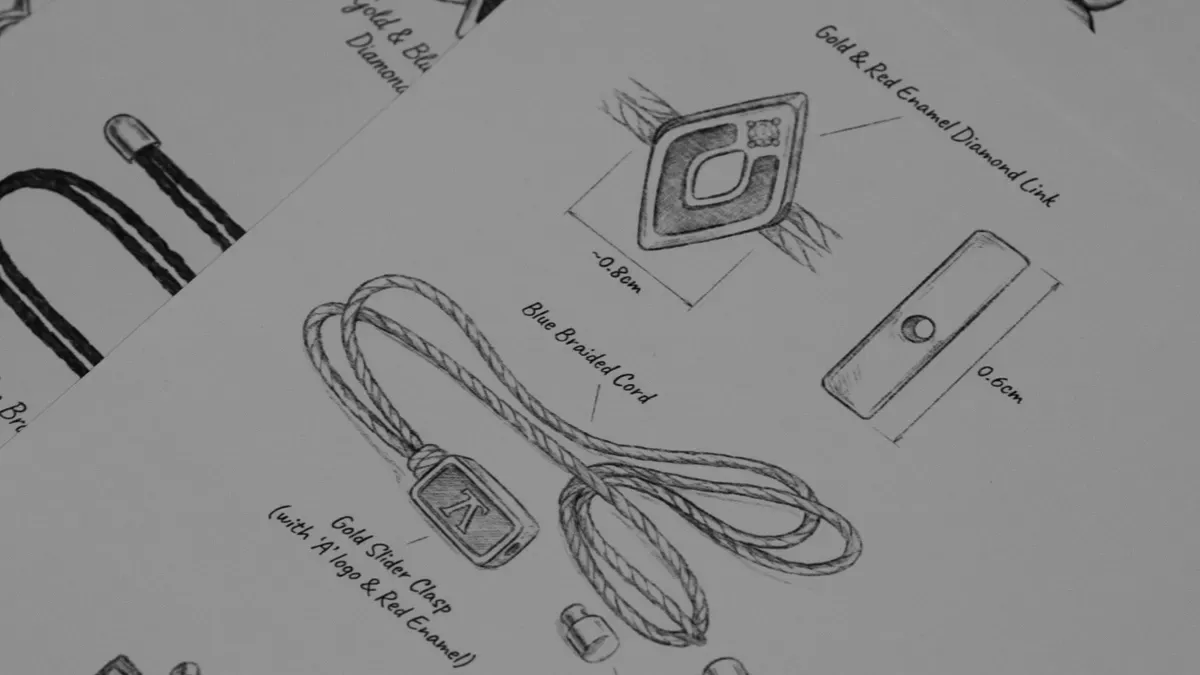
You begin by making a physical model for your jewelry prototype. This step lets you see and touch your design before making the real jewelry. You can use wax carving or 3D printing to build your model.
Draw your pattern on wax with masking tape and sharpies.
Cut out the basic shape and slowly make it better.
Keep supports in weak spots to protect your design.
Use sharp tools carefully so you do not make mistakes.
Rub the piece gently to make it smooth.
Take out supports before casting.
Wax carving lets you shape your jewelry by hand. You can change things as you work. This method gives you control over each detail.
3D Printing Process:
Make detailed designs with complex shapes and tiny features.
Create prototypes fast for testing and feedback.
Check size, shape, and look before using expensive materials.
Get feedback on real models instead of digital pictures.
Save time and money by making changes quickly.
3D printing lets you try new ideas easily. You can print models in plastic to check how they look and feel. This method saves money and lets you fix things fast.
Warping can happen if the model cools unevenly. Use a heated platform and glue to fix this.
Layer shifting may happen if parts move out of place. Check belts and keep the printer steady.
Print quality depends on settings and materials. Adjust your printer and use good materials.
Material limits affect the final model. Pick the right material for your jewelry prototype.
Tip: Always check your model for mistakes before moving to the next step. Careful checking helps you avoid problems later.
After you make your jewelry prototype, you review and improve it. This step makes sure your design matches your vision.
You work with designers at Perfect Jewelry. They listen to your feedback and make changes right away. You can test the piece for size and comfort. Designers change details and proportions based on your input. You look at different styles and features together.
Steps for Refinement:
Build the first model after the design is approved.
Test the piece for fit and comfort.
Check proportions and details.
Change the design based on your feedback.
Repeat until you are happy.
"The iterative design process has several important steps to make sure the prototype matches the original design vision. These steps include setting main needs, building a first prototype, testing and getting feedback, looking at feedback and improving the prototype, and repeating the process."
You save time and money by improving your jewelry prototype before making the real piece. 3D printing lets you make cheap models and easy changes. You can print new prototypes without extra material costs. This process helps you get the jewelry you want.
At Perfect Jewelry, you work with skilled designers. You see your ideas become real step by step. You make sure every detail is right before making the real jewelry.
Note: Feedback and repeating are important. Your input shapes the final jewelry. You get a piece that fits your style and needs.
When you design your own jewelry, you might make some mistakes. Knowing about these mistakes helps you make jewelry you will love.
Some people do not plan before starting. This can make the jewelry uneven or the wrong size.
If you use cheap materials, your jewelry might break or turn colors fast.
If you hurry at the end, clasps might be loose or parts might be weak.
Too many details can make your jewelry look messy and hard to understand.
If you do not measure well, your jewelry might not fit or feel good.
Picking the wrong materials can make designing hard and not fun.
If your design steps are messy, it can slow you down.
If you cannot say how feedback or trends help your design, you might lose your way.
Only thinking about your own ideas and not what others like can make your jewelry less popular.
Tip: Go slow and pay attention to each step. Good planning and care help you avoid these problems.
You want your jewelry to look just how you imagine. Start by telling your designer about your style and story. Say if you like old or new looks. Share any special meaning you want your jewelry to have.
The custom jewelry design process starts with a meeting. Designers talk with you about your ideas and what you want. You tell them about the ring you want, like the gemstone, setting, and metal.
Designers at Perfect Jewelry use sketches and CAD models to show your design. You can see pictures and ask for changes, like how the stones are set or how thick the band is. This helps you feel sure your jewelry will look like your dream.
Working with experts helps a lot. They help you at every step and give good advice. Their skills make your jewelry strong and pretty. Talking clearly keeps you part of the process and shows respect. You get jewelry that matches your style and lasts a long time.
Tip: Pick a team you trust, like Perfect Jewelry. Their skill and care help make your ideas into beautiful jewelry.
Prototyping lets you get jewelry that fits your ideas and size. You can see and touch a sample before you decide. This helps you give feedback and feel sure about your choice. A boutique jeweler in Mumbai had fewer complaints after using prototypes. Complaints dropped by 70%, which shows that this step builds trust.
"The finished piece feels real. It is like something I would pick if I could see it from the start."
You can begin your own jewelry design journey with confidence. Work with skilled people, use good materials, and share your thoughts. If you want help, contact Perfect Jewelry for advice.
You will get your prototype in about 1 or 2 weeks. The time changes based on the design and materials. Simple designs are done faster. Harder pieces need more time.
Yes! You can look at your prototype and ask for changes. Designers at Perfect Jewelry listen to you and change the design until you like it.
Most prototypes are made from wax, resin, or plastic. These materials let you see the shape and size before using gold, silver, or gemstones.
No, you do not need to know how to draw. You can share your ideas, photos, or examples. Designers use what you give them to make sketches and digital models.
Prototyping costs less than making the real jewelry. You save money because you find and fix problems early. This step helps you not make expensive mistakes.


 EN
EN
 English
  Italian
  Spanish
  Ukrainian
  Japanese
  Norwegian
  Portuguese
  Korean
  Russian
  French
  Danish
  German
  Arabic
  Back to List