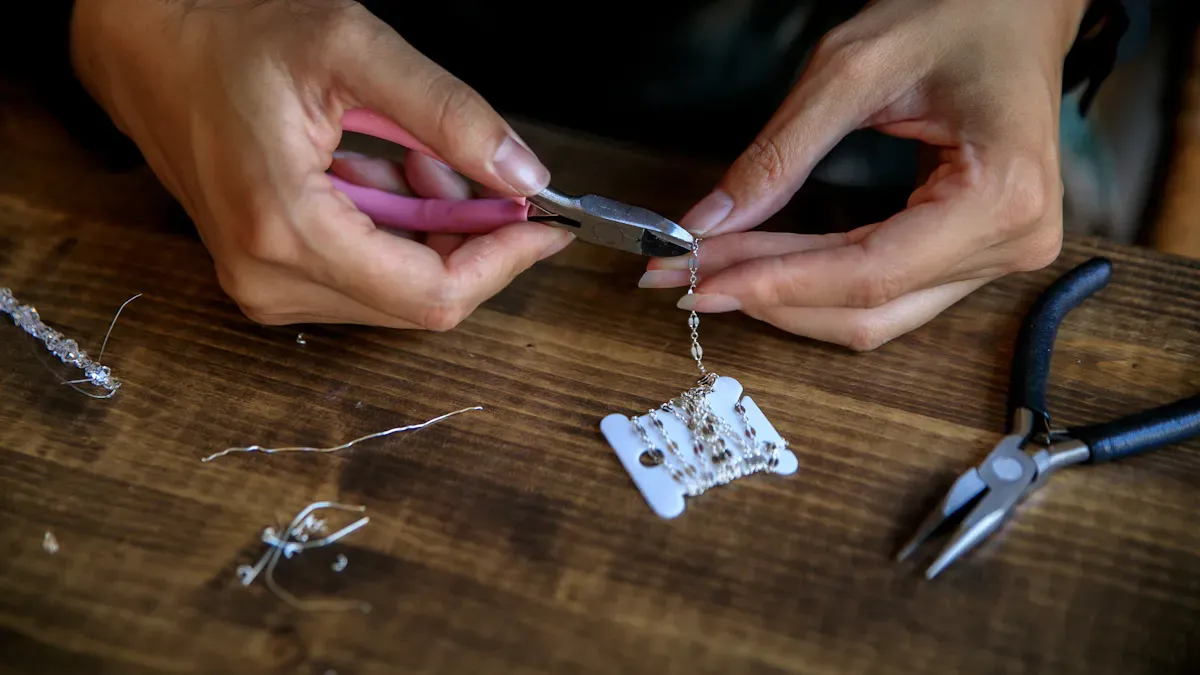
If you want to get source materials for custom jewelry, you should care about quality first. Good materials help your jewelry last longer. They also make it look nicer and feel more special. Different metals and stones can change how strong, pretty, and valuable your jewelry is:
Durability | Appearance | Value | |
|---|---|---|---|
Platinum | Strong | Unique | Premium |
Gold | Reliable | Versatile | Valued |
Diamonds | Stylish | Customizable | Ethical options |
Perfect Jewelry works with trusted suppliers. They use their experience to help you find the best quality source materials. You should also think about where your materials come from and what matters to you.
Pick strong materials like platinum and diamonds. These materials help your jewelry stay nice and last longer. Good materials make your jewelry look pretty.
Find suppliers you can trust. Make sure they use fair sourcing methods. This helps you get good materials and supports fair work.
Think about how much money you can spend. You can choose cheaper options like lab-grown gemstones or recycled metals. These choices still give you good quality.
Custom jewelry should last a long time. Quality is important for this. Platinum and gold are strong metals. They do not scratch or wear easily. Skilled jewelers use good materials. They work carefully to make jewelry. This keeps your jewelry nice for many years. Good gemstones do not chip or fade fast. Handmade jewelry uses the best materials. These pieces can become family treasures.
Gold is softer than platinum, titanium, or tungsten. It can scratch more easily. Durability depends on the type and karat level.
If you want jewelry for everyday use, pick hard materials. Diamonds are the hardest gemstones. They can scratch other stones. Softer stones need more care. They still shine if you choose quality.
Quality materials make jewelry look great. The right metals and gemstones shine and show color. Polishing and PVD coating help jewelry look new. People notice the shine of good gemstones.
Material | Perceived Value Characteristics | Use Cases |
|---|---|---|
Gold | High value, does not tarnish, good for fine jewelry | Bridal collections, heirlooms |
Platinum | Very strong, hypoallergenic, shows lasting value | Heirloom and bridal collections |
Gemstones | Unique colors, sparkle, and rarity add beauty and value | Custom designs, statement pieces |
When you buy quality jewelry, it keeps its value. It stays beautiful for a long time.
Quality lets you make jewelry your own. You can pick metals and gemstones you like. Good materials give more choices for shapes and colors. You might want a special gemstone for a birthday. You may choose a unique metal for a wedding band. Custom jewelry lets you create something special. Quality makes your jewelry stand out and tells your story.
Good materials help you customize how jewelry looks and lasts.
You can pick metals and gemstones that fit your style and values.
Personalization lets you add engravings and special designs.
If you want your custom jewelry to stand out, you need good materials. Choosing the best ones can seem hard, but you can make it easier by thinking about a few main things. Here are the most important points to remember when picking materials for your jewelry.
There are many metals and gemstones to pick from. Each one has its own look and feel. Some are shiny, some are strong, and some are easy to care for. Here is a simple guide to help you compare the most common choices:
Material | Advantages | Disadvantages |
|---|---|---|
Yellow Gold | Timeless, easy to maintain, suits most skin types | Softer, scratches easily, needs polishing |
White Gold | Modern, durable | Needs rhodium plating, may cause allergies |
Rose Gold | Unique color, durable | May cause allergies, develops patina |
Platinum | Strong, hypoallergenic, resists tarnish | Expensive, heavier |
Silver | Bright, affordable | Tarnishes, softer, needs care |
Palladium | Lightweight, hypoallergenic | Less common, harder to find |
Titanium | Strong, lightweight, hypoallergenic | Hard to resize |
Tungsten | Scratch-resistant, affordable | Brittle, cannot be resized |
Pick materials that fit your style and feel comfortable. If your skin is sensitive, choose hypoallergenic metals like platinum, palladium, or titanium. Try not to use nickel or brass because they can cause skin problems. For gemstones, you can pick diamonds, zircon, or semi-precious stones. Each stone gives your jewelry a different sparkle and meaning.
You can also use things like wood, resin, or leather for a creative look. These choices can help you save money and make your jewelry special.
You need to trust your suppliers to get good findings and gemstones. At Perfect Jewelry, we work with partners who meet our standards. Always check if a supplier is trustworthy before you buy. Here are some ways to do that:
Ask questions and see if they answer quickly.
Look for certifications like GIA or AGS for gemstones.
Make sure they follow ethical sourcing rules, such as the Kimberley Process.
Check if they offer shipment insurance and tracking.
A good supplier will explain their process and answer your questions. This helps you get the right materials every time.
You want your jewelry to look nice and feel right. That means you should think about where your materials come from. Ethical sourcing matters for you and your customers. Here’s what to look for:
Suppliers should tell you where materials come from.
You should be able to trace materials from the mine to the finished product.
Certifications like Fairtrade, Responsible Jewelry Council, or Fairmined are important.
Proof of origin and checks from other groups help too.
You can also pick recycled metals or lab-grown gemstones. These choices help the planet and support fair work. When you pick the right materials, you show you care about people and nature.
You do not need to spend a lot to get quality. You can balance your budget with how your jewelry looks and lasts. Here are some tips:
Use recycled metals to save money and help the planet.
Try lab-grown diamonds or cubic zirconia for a cheaper sparkle.
Pick base metals like copper or aluminum for creative designs.
Mix in wood or resin for a fresh style.
Always check the value of your materials. Good findings and gemstones last longer and look better. At Perfect Jewelry, we help you find the best mix of price and quality. This way, you get the most from every piece you make.
Tip: Always ask your suppliers for a clear list of costs. This helps you set fair prices and keep your business strong.
When you focus on good materials, trusted suppliers, and ethical sourcing, you set yourself up for success. You can make custom jewelry that looks great, lasts long, and matches your values.
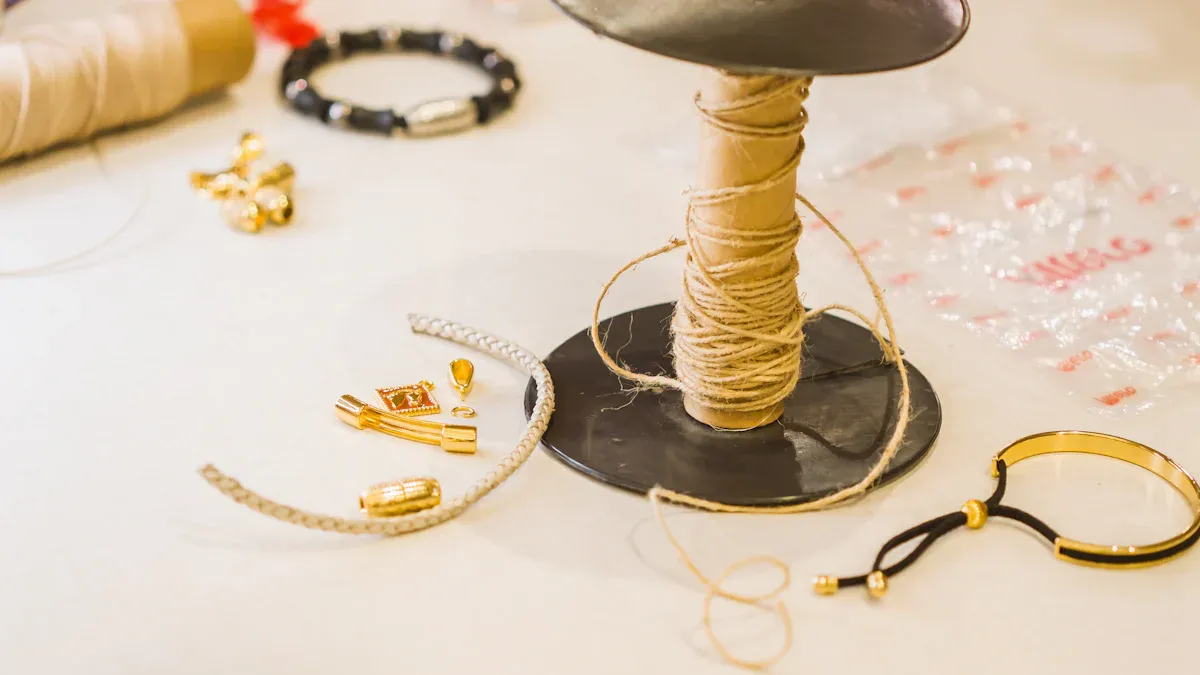
There are many metals you can use for custom jewelry. Each metal has its own look and feel. Some metals are shiny, and some are strong. Here is a table that shows the most common metals:
Metal | Properties | Durability | Cost | Appearance |
|---|---|---|---|---|
Gold | Malleable, classic, modern | Varies | High | Warm, shiny |
Sterling Silver | Affordable, versatile | Moderate | Moderate | Bright, shiny |
Platinum | Hypoallergenic, luxurious | Very high | Very high | White sheen |
Palladium | Lightweight, durable | High | Moderate | White, sleek |
Titanium | Strong, lightweight | Very high | Moderate | Industrial, sleek |
Choose metals that fit your taste and what you need. If you want jewelry that lasts, pick platinum or titanium.
Gemstones make your jewelry colorful and special. You can pick diamonds, zircon, or other stones. Birthstones and custom stones are also options. Think about how hard the stone is and how you will wear it. For everyday jewelry, use strong stones like diamonds or sapphires. Softer stones are good for special days. Lab-grown gemstones are a cool, new choice. Perfect Jewelry can help you find stones that match your style.
Findings are small parts that hold jewelry together. Good findings keep your jewelry safe and pretty. If you use quality findings, your jewelry will last longer. Here are some tips for getting good findings:
Decide what metal and finish you want.
Work with suppliers you trust for findings.
Ask for samples before you buy a lot.
Use more than one supplier to find strong findings.
Good findings make jewelry easy to wear and safe. Some findings are clasps, jump rings, and earring backs. The quality of findings changes how your jewelry looks and feels.
Beads and decorations help you make jewelry your own. You can use glass, metal, wood, or ceramic beads. Always check if beads are strong and look nice. Good beads make jewelry sparkle and stand out. Perfect Jewelry uses the best beads and findings for cool designs. You can mix beads and stones for a fun style.
Tip: Check your findings and beads before you start making jewelry. This helps your custom jewelry look great and last a long time.
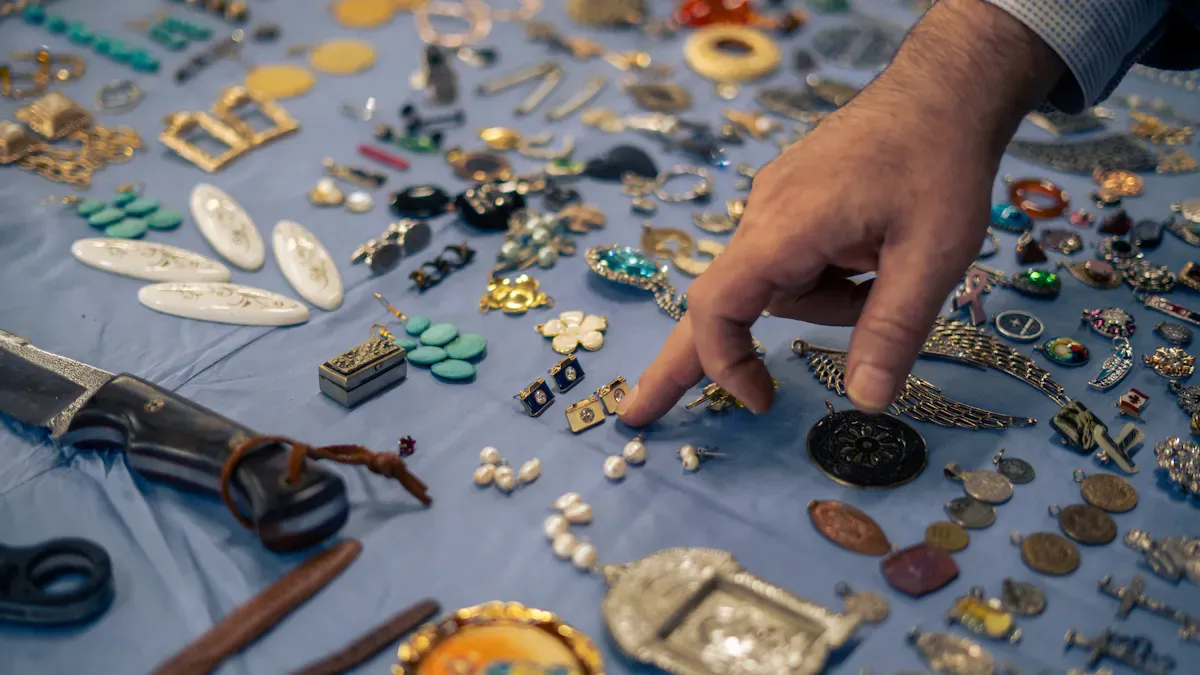
If you want your custom jewelry to stand out, you need a good plan. At Perfect Jewelry, we work together with you from start to finish. You help design and choose materials. These tips can help you pick the best findings, gemstones, and metals.
Set clear rules before you look for findings or gemstones. These rules keep your jewelry safe and pretty. Many jewelers use industry rules to check quality. Here is a table with some common rules:
Standard Type | Description |
|---|---|
International Organization for Standardization (ISO) | Rules like ISO 11426 for gemstone identification and ISO 11427 for grading. |
Jewelry Industry Ethical Standards | Groups like Responsible Jewellery Council focus on fair sourcing and labor. |
European Union (EU) REACH Regulations | Rules about chemicals in jewelry for safety. |
ASTM International Standards | Ways to test gemstones, metals, and findings. |
Jewelry Appraisal Standards | Guidelines for jewelry value from groups like International Society of Appraisers. |
Customs and Tariff Regulations | Rules for bringing jewelry materials in and out of countries. |
Use these rules to check if your findings and gemstones are good. This keeps your jewelry safe and builds trust with customers.
Work with suppliers who care about quality and reliability. Here are steps to check your suppliers:
Order a small batch to check quality, packaging, and delivery.
Ask other jewelers about their supplier experiences.
Look online for reviews, websites, and trade references.
Test customer service by asking questions and seeing how fast they reply.
Compare samples to see if quality stays the same.
You can use online directories like Jasmine Business Directory. This directory lists many jewelry suppliers. It helps you find those who care about fair sourcing. You can filter by ratings and reviews to find the best fit.
Tip: Check if your supplier uses new or well-kept equipment. This helps you get findings with tight tolerances and better quality.
Always ask for samples before buying a lot. Samples let you see findings and gemstones first. Here is why samples matter:
You can check if the product matches your rules.
You can test if findings fit your design.
You build trust with your supplier by starting small.
Samples help you spot problems early. You can make sure your jewelry looks and feels right.
Do not use only one supplier for all your findings or gemstones. Using more than one supplier lowers your risks. Here are reasons to use several suppliers:
You avoid problems if one supplier has delays or runs out.
You can compare prices and get better deals.
You make your supply chain more open and trustworthy.
You avoid risks from countries with bad labor or environmental practices.
You can mix materials to handle price changes, especially with gold.
Note: Brands that cannot explain where their materials come from may face big risks. Always ask suppliers about the origin of findings and gemstones.
At Perfect Jewelry, we check every order carefully. We clean and check each piece before shipping. We use bubble film and pearl cotton to protect your jewelry. We label every package so nothing gets lost. This way, your findings and gemstones arrive safe and ready to use.
When you set high rules, check suppliers, ask for samples, and use several sources, your custom jewelry becomes more valuable and pretty. You also build a strong business and earn your customers’ trust.
You can get good materials for custom jewelry if you follow smart steps. Pick suppliers you trust. Check their quality often. Make sure you use ethical sourcing. Stay updated with new trends like lab-grown diamonds. At Perfect Jewelry, you get quality and care in each piece.
You can ask for certificates from trusted labs. Look for reviews from other buyers. Good suppliers will answer your questions and show proof.
Keep your jewelry in a dry, cool place. Use soft pouches or boxes. This helps prevent scratches and keeps everything looking new.
Yes, you can share your ideas or sketches. The design team will help turn your vision into a unique piece of custom jewelry.


 EN
EN
 English
  Italian
  Spanish
  Ukrainian
  Japanese
  Norwegian
  Portuguese
  Korean
  Russian
  French
  Danish
  German
  Arabic
  Back to List