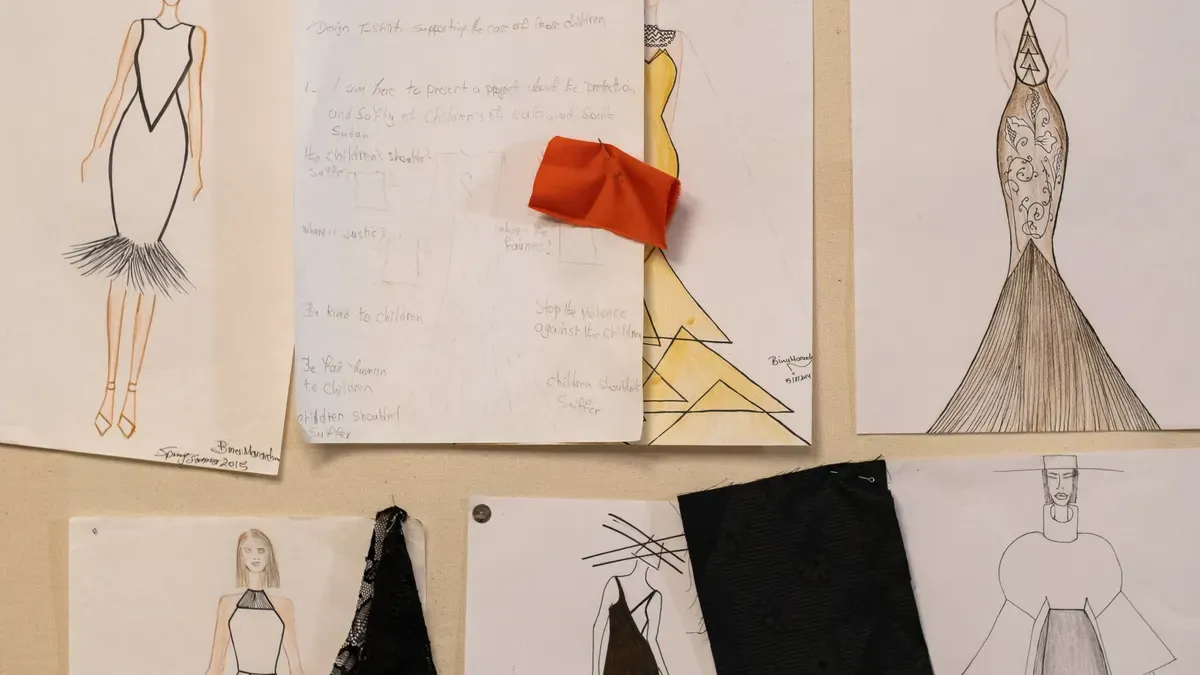
Where should you start looking for trusted silver & enamel jewelry design experts? Begin with jewelry trade groups and guild directories that list verified members. Check online marketplaces that protect buyers. Specialized jewelry forums also give recommended experts from collectors and hobbyists. These sources help you find professionals who meet industry standards.
This area needs special checking because it combines metalwork with kiln-fired glass enamel. General advice cannot judge quality or purity. Professional appraisers and antique jewelry experts can also refer you when looking at pieces. Follow a step-by-step five-tip guide to find true silver & enamel jewelry design experts.
Check that a designer's training and certifications meet what the industry expects.
Check their portfolio to see if they do clean enamel work and use real art nouveau techniques.
Read customer reviews to check for patterns in communication, timeliness, and quality.
Check silver purity and enamel firing methods before you buy.
Ask for a consultation or a sample piece to check how quickly they respond and how clear their prices are.
Begin your review by asking about formal training. A good designer learns metalsmithing and enameling through approved programs. You should ask for proof of certifications that count for this craft. The table below shows accepted standards you can look for.
Certification / Compliance Area | Recognized Standard |
|---|---|
Silver material specialization | 925 Sterling Silver Specialist |
Quality management | ISO 9001 Certified |
Environmental compliance | ROHS and REACH compliant |
Social responsibility auditing | BSCI audited |
Supplier verification | Alibaba Verified Gold Supplier |
Nickel safety | Nickel-release test compliant |
EU regulatory compliance | Hypoallergenic materials compliant with EU legal requirements |
Sustainability | Eco-friendly and sustainable manufacturing; 100% Recycled Metal usage |
Regional recognition | "Made in Germany" seal; Member of the German Association for Jewellery |
Professional appraisers and trusted antique jewelry experts can confirm a designer's standing. These professionals know the market and can speak for a craftsperson's reputation. When you find silver & enamel jewelry design experts with these credentials, you lower your risk a lot.
Experience with independent jewelers, event planners, or museums shows a high skill level. These clients want precision and hold designers to strict standards. Ask how long the designer has worked with enamel and silver specifically.
A strong niche focus often links to higher customer satisfaction. Personalized enamel charm necklaces hold the largest market share because buyers want pieces made with initials or birthstones. Themed designs serve specific interests and keep customers engaged. Custom work lets clients design from scratch using digital tools. Limited-edition pieces draw collectors who want exclusivity. Designers with a clear niche avoid price competition and build deep loyalty. This focus matters for art nouveau jewellery styles too, where authenticity and provenance drive value. A designer who specializes in art nouveau jewellery techniques will give better results than a generalist. The same goes for any jewellery commission you plan.
Begin your review by looking closely at the enamel surface. Good enamel sits flat inside its metal space with no bubbles or dips. You should check how deep the cavity is stamped. If the metal is too shallow, the enamel loses detail and the quality drops. Check the finishing on the front, back, and sides. Any ridges you can see, especially on the edges, mean a defect. Metal thickness is important too. The normal thickness is 1.5mm, but 2mm feels more solid and higher quality in your hand.
Look for common enamel flaws as you inspect. Firescale shows up on sterling silver when oxidation harms the metal before enameling. Skilled designers remove it with nitric acid so the enamel sticks well. Cracking, bubbling, pitting, and color changes happen because enamel and metal expand at different speeds when heated. Chipping occurs where enamel meets metal after hard hits. Scratching can come from touching harder stones. Thermal shock, like going from cold to hot water, harms the enamel too. A clean, flawless surface shows that the silver & enamel jewelry design experts you are thinking about know these risks and control their firing process well.
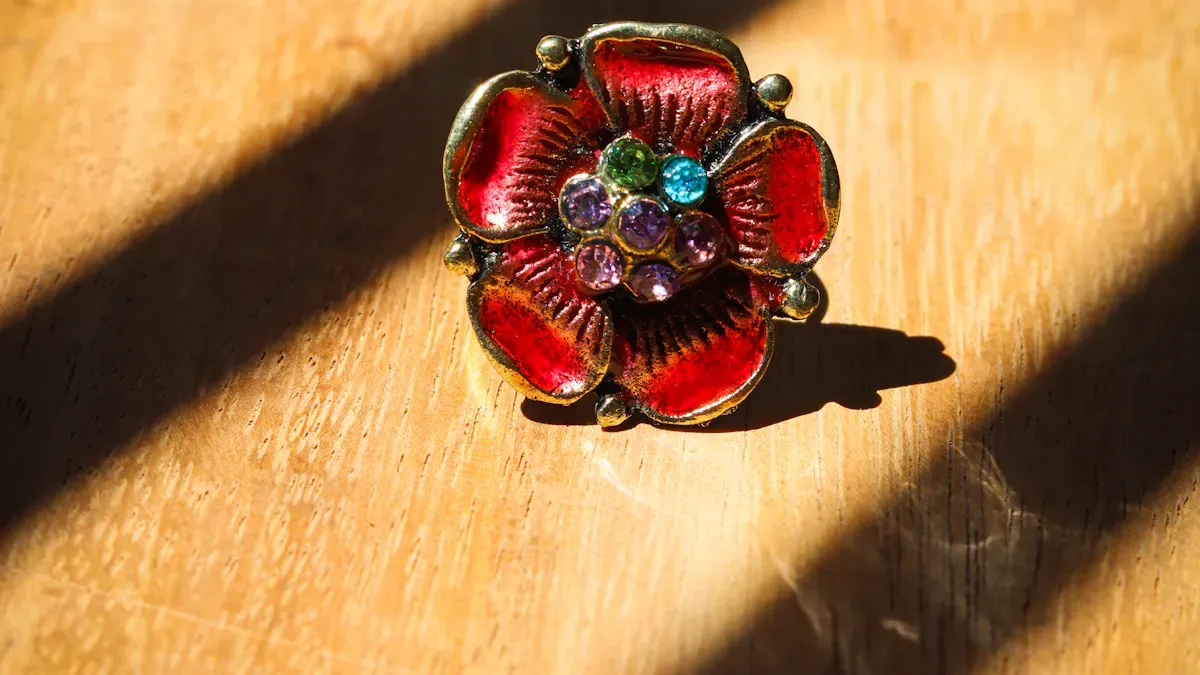
Art nouveau jewellery needs special enamel methods that you should check in any portfolio. Plique-à-jour enamel makes a stained-glass look without backing, great for butterfly wings and flowing water. The enamel shines when you hold it to the light. Champlevé cuts cells right into the metal and fills them with enamel. Cloisonné solders thin wires onto the base to split colors. These methods need precision and steady hands.
Real art nouveau jewellery pieces show hand-made construction with single solder points and wires of different thickness. You should see tool marks on the back. Surfaces that are too even suggest cast production, not original handmade work. Hallmarks count too. A French eagle's head means 18k gold, while British assay marks show age-appropriate wear. No marks on a piece said to be French is a warning sign. Check how the enamel aged on older pieces. Fine surface crazing and deep color from many years of wear look right. Even surface texture on a piece said to be old is a red flag. Metal patina should be uneven, gathering in low spots and wearing at high points. A perfectly even patina hints at chemical treatment. The best jewelry designers in these styles know that art nouveau motifs need faithful copies of nature-inspired forms with floral patterns and asymmetrical curvy lines. Their portfolios should show steady skill across many pieces that honor this period without copying it exactly.
Client feedback shows you how a designer treats people and meets deadlines. Start by reading reviews that talk about communication. Did the designer answer questions in a reasonable time? Did they explain the process in a clear way? You want a professional who keeps you in the loop at every stage of your jewelry project.
Timeliness matters just as much. Look for comments about delivery dates and whether the designer hit them. A review that says "arrived two weeks late with no warning" points to poor planning. Final quality also shows up in reviews. Search for phrases like "flawless enamel" or "sturdy silver setting" to judge how happy clients were.
Specialized jewelry groups and forums give you trustworthy recommendations. Members share honest experiences about art nouveau jewellery commissions. Jewelry design competitions and award programs offer expert insight into a designer's skill. The table below shows how these programs confirm expertise.
Validation Mechanism | How It Validates a Designer's Expertise |
|---|---|
Meritocratic Blind Evaluation | Designer names and origins are hidden during review, so recognition reflects the real quality of the design. |
Verified Expert Credentials | Every juror joins through documented professional qualifications and identity verification. |
Expertise-to-Category Matching | Jurors are assigned to categories based on their background and proven specialization. |
Multinational, Multicultural Jury Composition | A jury pulled from many countries makes sure recognition reflects success across different cultural value systems. |
Four Functional Jury Groups | Academic, Professional, Entrepreneur, and Journalist groups all review every entry. |
Independent Isolated Voting | Each juror votes without seeing what colleagues scored. |
Research-Derived Category-Specific Criteria | Scoring relies on discipline-appropriate measures shaped by doctoral-level design research. |
Complete Jury Authority Over Final Results | Outcomes are decided only by jury scoring, with no editorial rebalancing. |
Statistical Score Normalization | Z-score calibration evens out strict and generous scorers across a large jury. |
Formal Accountability Commitment | Every juror signs a binding Jury Agreement covering fairness and ethics. |
One designer described the impact of winning a competition on the Ganoksin Orchid Jewelry Forum:
"It's helped my business in that it has given me credibility in the eyes of those who commission from me. I usually never meet, sometimes never speak to my clients, and I know in the past people have been a little reticent about commissioning a piece over the internet from someone they've never met… Winning the Saul Bell Award has certainly helped allay their fears."
— Eva Martin, jewelry designer
One bad review can happen to anyone. A pattern of similar complaints points to a real problem. Read negative feedback across multiple platforms. Look for repeated issues with enamel quality, missed deadlines, or poor communication.
Pay attention to how the designer responds. A professional addresses concerns directly and offers solutions. A defensive reply or silence tells you something important. Your evaluation should weigh both the complaint and the response.
Check whether negative reviews come from clients with needs like yours. A complaint about art nouveau jewellery restoration matters more than a complaint about a simple ring resize. Use this pattern analysis to decide if the designer fits your project.
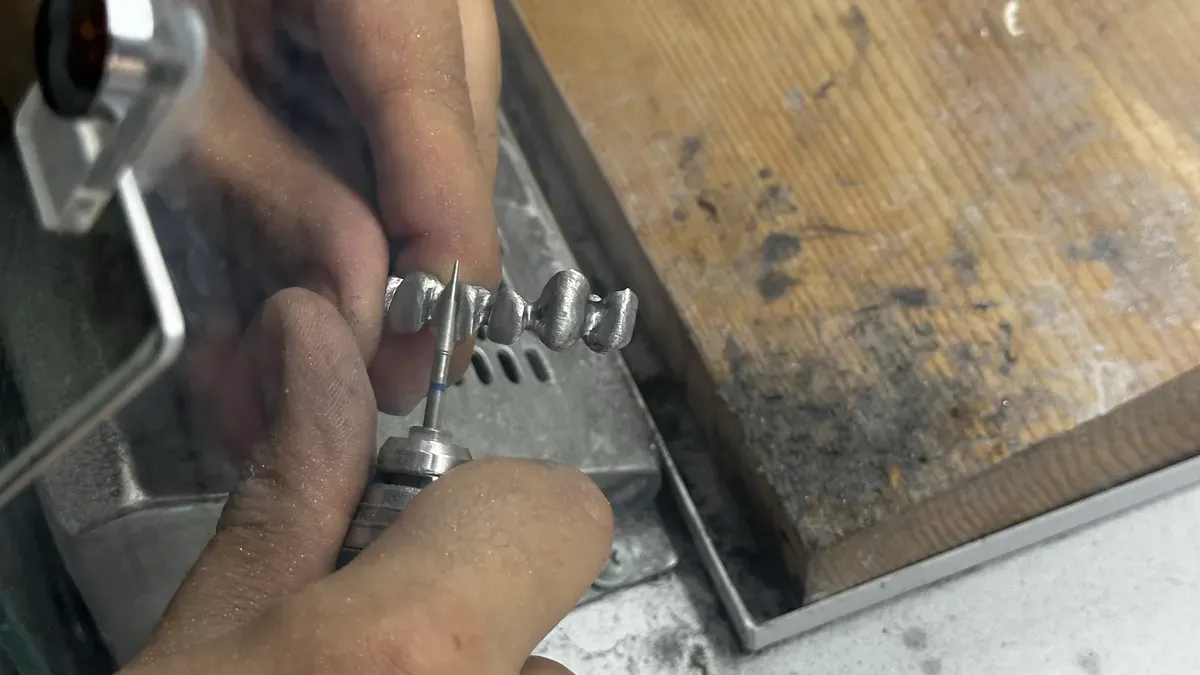
Start by looking at each piece for quality stamps. Sterling silver jewelry has clear marks like 925. These stamps show the silver is pure. Copper makes the metal stronger. You should see these marks on visible surfaces. The table below shows hallmarks for real art nouveau jewellery.
Hallmark Type | What It Indicates | Example(s) |
|---|---|---|
Purity mark | Shows the content | 925 (USA); 800 (Germany); Minerva head (France) |
Assay office mark | Where tested | Leopard head = London; anchor = Birmingham |
Maker's mark | Identifies the silversmith | Silversmith's signature mark |
Date letter | Year made | Rotating alphabet letters |
Clear enamel on silver works with vitreous enamel. You need a certain metal for good adhesion and clear color. Buy silver from sellers who share material details. Check stamps as a strong sign of purity. An expert said to use lead test swabs from hardware stores on jewelry. Make sure the swabs will not harm your jewelry. Professional testing costs more but gives you certainty. This matters for any art nouveau jewellery project.
For real art nouveau jewellery, enamel quality matters most. Look for flawless enamel on each art nouveau jewellery piece. The enamel must sit flat inside its frame. No bubbles or dips should show. This jewelry type needs expert handling. This keeps your art nouveau jewellery in good shape for many years.
Firing methods affect enamel quality in a direct way. Fine silver fires with a torch or kiln. Sterling silver needs depletion gilding so the enamel sticks. Kiln firing uses 1400–1650°F (760–900°C) for steady heat around the piece. This method works well for larger art nouveau jewellery pieces. Torch firing uses MAPP or propane held by hand. Heat the jewelry from below with steady movement. This works for small jewelry items. Both methods protect the enamel when done right, creating fine art nouveau jewellery pieces.
Ask about supply chain transparency. Silver & enamel jewelry design experts know where their materials come from. They explain their firing process in a clear way. Honest answers show professionalism and care.
This evaluation helps you choose wisely. The art nouveau style needs certain metal and enamel techniques. Designers who master these details make quality art nouveau jewellery. Verify everything before your jewelry purchase. Start today.
A consultation shows how a designer treats you before you pay any money. The process usually follows a clear path. First, you talk about your design ideas and get price options for free. Second, the designer makes artistic sketches of your idea. Third, the design phase moves at your speed. Some clients need only a few messages. Others go back and forth for weeks until the design feels right. Fourth, you pay a deposit before the designer makes 3D models and renderings. That deposit goes toward your final cost. Fifth, production takes about 2–4 weeks with all details finished by hand. Sixth, you get photos of the finished piece for approval before shipping.
This back-and-forth process shows responsiveness and customization ability. A good designer focuses on your priorities, like durability, sentimental value, or artistic expression. They guide you through meaningful life moments like engagements and anniversaries. They answer questions about gemstones, metals, sizing, and design styles. Flexible communication, longer consultations, and bilingual help show a willingness to adapt to your schedule and location.
For a full-service example, think about Perfect Jewelry. This manufacturer offers design and CAD, mold-making, material sourcing, quality control, packaging, shipping, and photography. From idea to delivery, they handle every step. This level of service suits complex art nouveau jewellery commissions where you need steady oversight.
Pricing transparency protects you from surprises. Ask for a full breakdown before you commit to a commission. A trustworthy designer explains material costs, labor, and timeline. They tell you what happens if the design changes mid-project. They also make deposit terms and refund policies clear.
Compare this openness across several designers. A vague quote or reluctance to discuss costs signals risk. A clear, itemized estimate shows professionalism. This evaluation step matters most for custom art nouveau jewellery, where enamel work and silver sourcing drive the final price. Request a trial piece or small commission first. This test reveals how the designer handles deadlines, communication, and quality on a real jewelry project. You then know whether to trust them with a larger jewellery order.
Use these five tips as your jewelry checklist. Check credentials. Look at the jewellery portfolio for clean enamel work and true art nouveau jewellery style. Read jewellery reviews. Confirm silver purity and enamel firing methods. Ask for a jewellery consultation.
No single tip gives the full jewelry picture. Credentials, jewellery portfolio, jewellery reviews, jewellery materials, and a jewellery trial work together. Start today. Check a jewellery directory or ask for a jewelry consultation.
Judge any jewelry designer with this jewelry framework before your next jewelry purchase or art nouveau jewellery commission. Your jewelry deserves real art nouveau jewellery expertise. Protect your jewelry investment and your art nouveau jewellery collection now.
Look for a 925 stamp on visible surfaces. This mark shows sterling silver content. Ask the designer about their materials. Good makers share material details freely. You can also request lead test swabs from hardware stores for extra checking. Professional testing costs more but gives certainty for your jewelry purchase.
Check for firescale, cracking, bubbling, pitting, and color changes. These problems happen when enamel and metal expand at different speeds during heating. Chipping occurs where enamel meets metal after impacts. Thermal shock from sudden temperature changes harms enamel too. A flawless surface shows the designer controls their firing process well for quality jewelry.
Art nouveau jewelry uses plique-à-jour, champlevé, and cloisonné enamel methods. Plique-à-jour creates a stained-glass look without backing. Champlevé cuts cells into metal and fills them with enamel. Cloisonné solders thin wires onto the base to separate colors. These methods need precision and steady hands for authentic jewelry pieces.
Yes. A trial piece reveals how the designer handles deadlines, communication, and quality. You then know whether to trust them with a larger jewelry order. This test protects your investment. Request a small commission first. Evaluate the results before committing to an expensive art nouveau jewelry project.
Ask for material costs, labor, and timeline details. A reliable designer explains what happens if the design changes mid-project. They make deposit terms and refund policies clear. A vague quote signals risk. A clear, itemized estimate shows professionalism. This matters most for custom art nouveau jewelry where enamel work drives the final price.


 EN
EN
 English
  Italian
  Spanish
  Ukrainian
  Japanese
  Norwegian
  Portuguese
  Korean
  Russian
  French
  Danish
  German
  Arabic
  Back to List