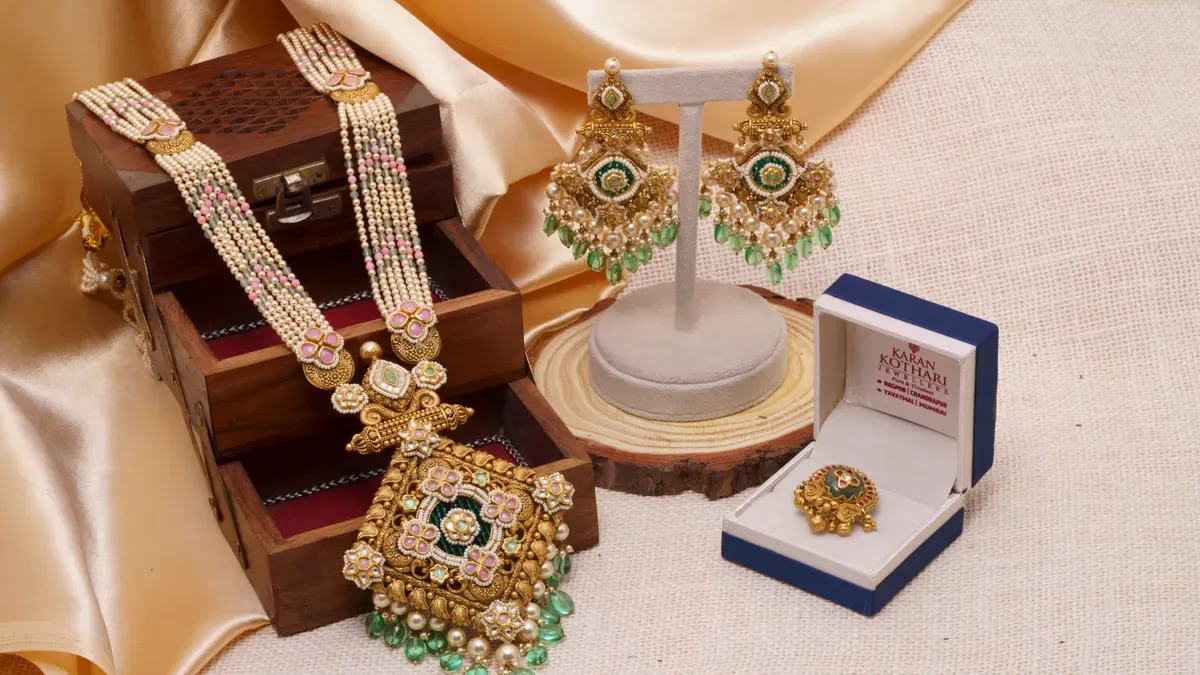
You want custom gemstone jewelry made in China. The hard part is finding a partner you can trust. How do you tell reliable services apart from the rest?
You need a clear plan. This guide walks you through five steps: vetting, communication, production, quality control, and logistics. Each step gives you practical checks. For example, you will learn how to review a china handmade gemstone jewelry design service for experience and certifications. You will also see how to confirm your gemstone choices and track your order from start to finish.
This guide gives you the exact rules and steps to make a smart choice.
Look at the factory's experience and certifications to make sure they are trustworthy and fair.
Share your design clearly using sketches and CAD files to prevent errors.
Approve a sample before full production to make sure the quality and materials are right.
Get insurance for your shipment and learn about customs fees to keep your money safe.
Pick a factory that lets you order different amounts and has clear rules for flawed items.
Begin by checking how many years they have been in business. Find a china handmade gemstone jewelry design service with a long history. This long history shows they are stable and have deep knowledge in jewelry design and manufacturing.
Certifications show that a company can be trusted. Look for SMETA, RCS, or RJC credentials. These prove they follow ethical and environmental rules. For example, earning RJC certification shows compliance and makes a chinese jewelry factory a trusted partner. If a service holds both SMETA and RCS certifications, it shows a strong commitment to responsible practices. This focus on quality makes them stand out.
Specialization is important. A service that focuses on handmade gemstone items knows the challenges of working with natural stones. Look at their client portfolio. Do they show past custom designs? Can they share examples of similar projects? These answers show what they can do.
Use online tools to check their claims. Search for factory reviews on industry websites like JCK or HKTDC. The Guangzhou Panyu district is a major production hub. Services based there often have strong supply chains. This research helps you find the right jewelry factory.
A reliable manufacturer will communicate openly. They should explain their jewelry design process clearly. They should be transparent about materials and pricing. If they hesitate on details, think about other options.
MOQ rules are very different from one service to another. For Sterling Silver pieces, expect a minimum of 50 pieces. For Brass pieces, the MOQ is higher at 120 pieces. These numbers are not set in stone. Many jewelry factories in china offer flexibility. You can place smaller orders, but each piece will cost more.
Some services offer low-moq options for buyers with detailed specifications. If you provide clear CAD drawings or sketches, a manufacturer can make a small batch. This works well for custom jewelry projects. Your specific custom manufacturing arrangement depends on how clear your design is.
We are the first jewelry factory in the industry to offer a minimum order quantity (MOQ) of one piece. We are very friendly to jewelry retailers who place orders online or through stores for custom jewelry.
This shows that one-piece jewelry design is possible. Many bespoke jewelry services now support single-piece orders. You just need complete design details. The more you prepare, the smoother the process becomes.
To get a good arrangement, follow these steps. First, provide detailed specifications. Share clear CAD drawings or sketches. Second, confirm materials and stones. Specify sterling silver, 18K gold, or other options. Third, discuss finishing choices. Do you want rhodium plating or a natural finish? Finally, ask for a sample before bulk production. This step makes sure your expectations match the final piece.
A china handmade gemstone jewelry design service with customization experience can improve your concept. They might use CAD software to refine your jewelry design. This teamwork leads to better results.
Gemstone selection needs special care. Specify the gemstone type, cut, color, and clarity. Define the setting style clearly. Good communication prevents costly mistakes. This attention to detail in jewelry design and manufacturing ensures success.
Jewelry manufacturing takes patience. Plan for multiple rounds of feedback. A good partner will guide you through each stage. They will offer suggestions based on their expertise.
When researching, compare policies across a few jewelry factories in china. Some offer flexible terms for small businesses. Others focus on large orders. Choose the one that fits your needs.
Remember, MOQs can be negotiated. With a strong design and clear specs, many services will work with you. Preparation builds trust and opens doors.
You need to share your design idea in a clear way. Use sketches, CAD files, or reference images. A real sample also helps. Your maker turns these details into a steady production process without losing your first idea.
Do not depend on casual messages only. Put key product choices in CAD files, tech sheets, and written production notes. Talk about intellectual property early. Make clear how the factory handles your CAD files. Make sure your business deal covers privacy and ownership.
Before modeling starts, do an engineering review. Check the stone, proportions, wall thickness, prongs, and clearances. This finds problems before they get into the model. Then build the design in software like MatrixGold. Keep the first look while making sure the shape works as a real piece of jewelry. Check the metal weight after the model is built. This gives you a fair price. Before sending the file out, look at the STL for thin parts, tight spaces, stone seats, and sudden changes in thickness. A good render shows the final look. A production-ready CAD file handles everything that happens after the render.
State your gemstone type clearly. Say whether you want lab-grown or natural gemstones. Define the cut, color, clarity, and setting style. These details stop costly mistakes in jewelry design and manufacturing.
Ask for material samples or stone certification before production. This step makes sure your expectations match the final piece. A team that works with you can improve your drafts using CAD software. This teamwork makes your jewelry design better. For custom wedding rings, precision matters even more. Every gemstone must sit perfectly.
A good partner offers this kind of teamwork. Their team helps you through each stage of jewelry design. They make sure your custom jewelry meets high standards. Whether you need gemstone jewelry or simple custom designs, clear communication guides the process. Your custom journey starts with detailed specifications. This care for detail in jewelry design and manufacturing ensures success.
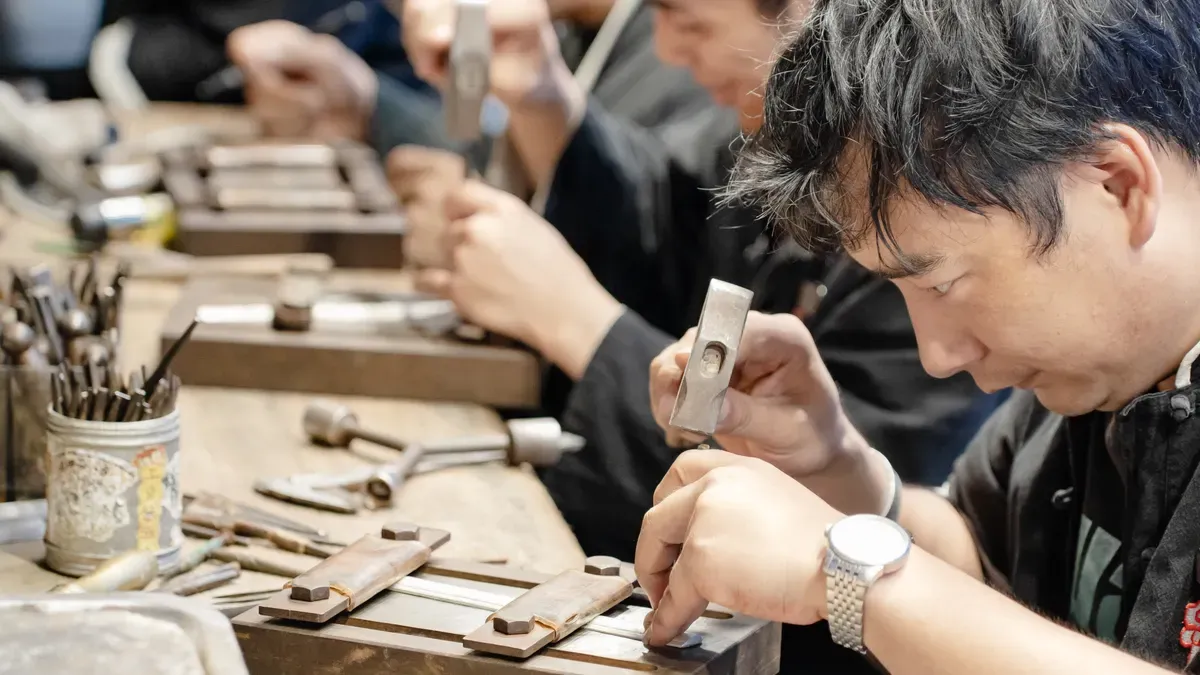
Once you approve your design, the next steps are clear. A trusted china handmade gemstone jewelry design service uses a clear workflow. Each step builds on the last one to give you good results.
First, there is a pre-production design review. The manufacturer checks if your design can be made. They look at wall thickness, stone seats, prongs, and joints. This review finds problems before any metal is used. It also decides the best way to make the jewelry.
Next, engineers make a 3D CAD model. This digital file shows every size, stone spot, and connection point. You get a rendering to approve. Changes now cost much less than later. After CAD approval, the team prints a wax or resin prototype. You hold it, check its size and feel, and agree on the shape.
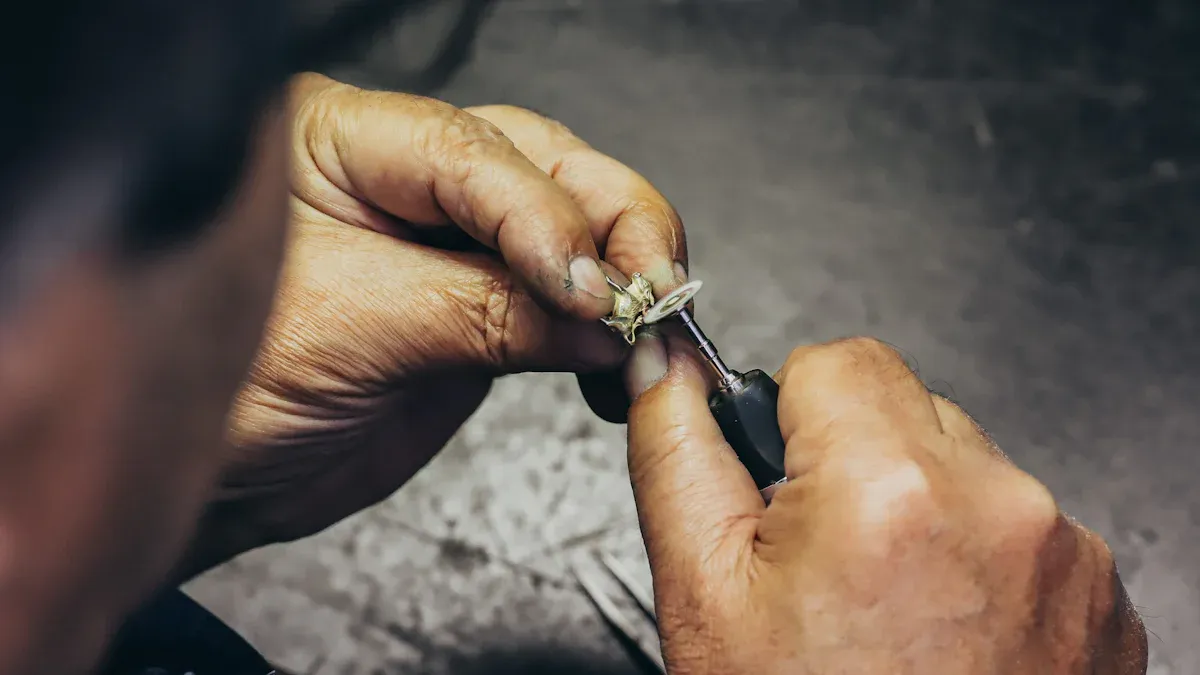
Once you approve the prototype, lost-wax casting starts. Hot metal fills the mold to make the main part of your jewelry. Then cleanup and assembly happen. Workers remove casting marks and get all parts ready. Then comes the important step of setting gemstones. Skilled workers set each stone using prong, pavé, bezel, or channel settings. Good stone placement depends on choices made during jewelry design and planning.
Final steps include polishing and plating. Surfaces get a high polish, matte finish, or plating like rhodium or gold. Skilled craftsmen make sure each piece meets high quality standards. A steady supply system ensures the materials are always the same.
Timelines change based on how complex the piece is. A simple custom piece might take 2 weeks. A complex design with many gemstones can take up to 6 weeks. The exact time depends on your custom manufacturing agreement. Most manufacturers give you progress updates at each step.
You can make changes at certain points. You can ask for changes during the design and sample stages. After production starts, big changes cost a lot more. The best time to give feedback is after you review the CAD model or prototype. Every jewelry design should pass these checkpoints before full production.
A trusted partner guides you through each checkpoint. Their team helps improve your vision before production. This way saves you time and money. Quality checks happen during the whole process. Inspectors check size, gemstone security, surface finish, and markings against your approved specs. Each gemstone gets a careful check before packing. Clear talks at each stage make sure your jewelry design matches what you want. A dedication to great jewelry design and making shows in every finished piece.
You should never accept a finished lot without proof. Ask for a pre-production sample first. This sample shows you the real gemstone color, the metal finish, and the setting strength. Approve it in writing before the factory starts bulk work. A signed sample becomes your reference for every later quality control check.
Third-party testing adds another layer of trust. Reputable factories hold certificates you can verify. The table below shows common documents from Chinese handmade jewelry makers.
Product Line | Certification | Standard | Certificate Number | Issuing Body |
|---|---|---|---|---|
Crystal Jewelry – Earrings | SGS | REACH Regulation (EC) No 1907/2006 | CANHL25006144001 | SGS-CSTC Guangzhou Branch |
Crystal Jewelry – Necklaces | SGS | IEC 62321-7-1:2015 | N/A | SGS |
Stainless Steel Bracelets | ISO 9001 | Design and production | CACQ21Q00750R1 | N/A |
Jewelry Sets | ISO 9001:2015 | Design and production of metal jewelry | CACQ21Q00750R1 | N/A |
You can also ask for ISO 14001 for environmental management, FSC for paper sourcing, SEDEX/SMETA for ethical labor, and BSCI for social compliance. Always ask for certificate copies and check them with the issuing body.
Regulatory limits protect you too. The EU's EN 1811:2023 caps nickel release at 0.5 μg/cm²/week for jewelry in prolonged skin contact. The US ASTM F2999 restricts lead in electroplated metals to 6.0% for adult jewelry. These standards apply to the finished surface, not just the raw material. That is why a strict quality control process matters at every stage.
A good partner shows you how the work happens. Ask which stages run in-house. External plating shortens the audit trail and reduces traceability. Each piece of fashion jewelry should pass through defined production stages, from raw material to packing. Quality control checkpoints sit inside each stage. This lets workers find defects mid-process instead of at final inspection.
Pre-shipment testing is a defined production step. It acts as the acceptance rule before a lot is packed. You should also confirm gemstone authenticity through a lab report. This report proves your gemstone matches the grade you paid for. Ask for this before the final quality inspection.
A clear defect policy protects your money. Reputable services offer a return or exchange window for non-man-made defects and transport damage. They process claims within 48 hours of inspection. Get this policy in writing before you pay a deposit.
A reliable partner holds SMETA, RCS, and RJC certifications. These credentials signal a real commitment to quality and sustainability. When you see these documents, you know the factory cares about more than speed.
Your quality depends on your own diligence. Request samples, verify certificates, and read the defect policy. These steps turn a risky purchase into a safe partnership.
You need to choose a shipping method that fits your order size and how fast you need it. For small, high-value items like one custom ring, express courier (DHL, FedEx, UPS) works best. These services deliver in 1–5 days and cost $5–$15 per kilogram. Air freight works well for medium orders over 150 kilograms. It takes 3–10 days and costs $3–$8 per kilogram. For large shipments, sea freight costs the least, but it takes several weeks to arrive.
Shipping Mode | Cost Range | Transit Time | Best For |
|---|---|---|---|
Express Courier | $5–$15/kg | 1–5 days | Urgent, high‑value items (e.g., gemstone jewelry) |
Air Freight | $3–$8/kg | 3–10 days | Regular shipments 150kg+ |
Speed depends on where you are shipping to. Express deliveries reach the USA West Coast in 3–4 business days and the USA East Coast in 4–5 days. Shipments to the UK and Western Europe take 3–4 business days. Air freight to the USA Central region runs 6–9 days. Always compare rates for your specific port.
Insurance is a must for gemstone jewelry. Standard carrier liability covers only a small part of the value. Buy extra insurance to protect against loss or damage during transit. Reliable partners offer insured shipping options and give tracking numbers for every order. Many jewelry factories in china will help you set up coverage. The small extra cost saves you from a total loss.
Chinese exporters take care of the export paperwork. You receive a commercial invoice, packing list, and a country of origin certificate. These documents prove the shipment’s value and origin. Your responsibility starts at customs clearance. You must pay import duties and taxes when the goods enter your country.
Destination | Duty Rate | Additional Taxes |
|---|---|---|
United States (from China) | 12.5% | None stated |
United Kingdom | 2.5% | Plus 20% VAT |
European Union | 10–15% | Plus local VAT |
The rates depend on how the product is classified. Loose gemstones may have a lower rate than finished jewelry. For the United States, imports from China currently face a 12.5% tariff under Section 301. The United Kingdom charges 2.5% duty plus 20% VAT on the total landed cost. The European Union applies duties between 10% and 15% plus VAT. Check with a customs broker for your exact rate.
Good communication with your manufacturer prevents delays. Ask your partner to declare the value accurately and include all required certificates. A service with international shipping experience makes sure your quality paperwork meets destination requirements. That attention to detail makes the entire import process smoother.
From checking a partner's experience and ethics to handling customs, each step helps you build a partnership that makes beautiful handmade gemstone jewelry. Clear communication stops costly mistakes during jewelry design and manufacturing. Strict quality control makes sure every gemstone jewelry piece meets your standards.
Use these steps now. Ask for quotes and samples from a short list of providers. A china handmade gemstone jewelry design service like YIBI shows these qualities—ethical certifications and sustainable practices.
Start your custom jewelry project today. Contact trusted services with the checklist you just learned. Their skill in jewelry design and gemstone selection guarantees high-quality results.
Most custom orders take 2 to 6 weeks to finish. Simple designs are done faster. Pieces with many stones need more time. Your maker should update you at every stage. Ask for a timeline before you pay a deposit.
Look for SMETA, RCS, or RJC credentials. These show they follow ethical and environmental rules. ISO 9001 shows good quality management. Ask for copies of certificates and check them with the issuing body.
Yes. Some factories now let you order just one piece. You need to give complete design details. Provide clear CAD drawings or sketches. Expect to pay more per piece for small orders. Being prepared makes things go smoother.
Your exporter gives you a commercial invoice, packing list, and country of origin certificate. You pay import duties and taxes when goods enter your country. The United States charges 12.5% duty on Chinese jewelry imports. The UK adds 20% VAT.
Ask for a pre-production sample first. Approve it in writing. Ask for third-party testing from SGS or similar labs. Confirm gemstone authenticity through a lab report. Get the defect policy in writing before you pay.


 EN
EN
 English
  Italian
  Spanish
  Ukrainian
  Japanese
  Norwegian
  Portuguese
  Korean
  Russian
  French
  Danish
  German
  Arabic
  Back to List