Picking a trustworthy custom B2B jewelry manufacturer in 2026 means looking at quality systems, customization skills, craftsmanship, total cost, risk controls, and growth support — not just price. This choice matters more than ever. Compliance rules get stricter every year. Trend cycles move faster. Buyers expect more from every order. A bad choice costs you time, money, and brand trust. A strong jewelry manufacturer protects all three. You need a clear way to tell capable partners from risky ones. Start with samples. Check certifications. Compare total costs. Ask about timelines. Verify intellectual property terms. Use this framework step by step. Do it before you sign anything.
Check quality systems and certifications to ensure steady products and ethical sourcing.
Check their design skills with samples and prototypes to make sure they can turn your ideas into real products.
Look at the full cost, like mold fees and plating, not just the price for one piece.
Protect your brand by having clear rules about who owns ideas or designs, and by checking for possible problems before you sign any contract.
Pick a partner that helps you grow by offering flexible order sizes and useful market knowledge.
A good jewelry maker does far more than just pack orders. It works as a part of your brand. Its ability to produce, its quality rules, and its dependability show up in every piece you sell. Pick a bad one, and you get delays, failed quality checks, and lost customer trust. Your brand's good name gets hurt. A strong partner guards your reputation, lowers the need to redo work, and gets your products to market faster.
A reliable manufacturer shows what this looks like in real life. It turns ideas from trends into collections you can make at scale. A steady buying system keeps materials flowing. That system uses market research, long-term supplier deals, and live tracking to keep prices steady and avoid running out. Planning for risks ahead of time also protects your delivery schedule.
In 2026, buyers also care about being green and making things the right way. Certificates like SMETA, RCS, and Technical Evaluation show real effort. These proofs tell apart a truly reliable supplier from one that just talks.
Before you promise, check five things. First, make sure quality stays the same during big runs. Second, test how well they turn an idea into a product. Third, see if they can handle tricky designs. Fourth, demand on-time delivery. Fifth, look for long-term business help.
You should also get clear on practical details. Ask about minimum order per style, not per order. Request material specs, including how many microns thick the plating is. Check production time and shipping time separately. Look at certificates and rule papers. Make sure they check quality before shipping. Agree on payment terms and if you can change them.
A custom jewelry maker that meets these standards becomes a real asset. One that falls short becomes a problem. The difference between a jewelry maker and a jewelry seller often comes down to this level of help. Treat this check as your starting point. It shapes everything that comes after.
Start your evaluation with technical specifications. Metal purity, plating materials, and finishing styles must be transparent. The table below shows typical standards:
Plating Type | Base Metal | Coating Thickness | Key Testing |
|---|---|---|---|
Gold Plated | Brass or copper | Minimum microns per test report | Salt spray 24-48h, nickel-free certification |
Gold Vermeil | 925 sterling silver | Gold thickness verification, adhesion test | |
Gold Filled | Gold weight over base metal | Not applicable (mechanical bond) | Bond strength test, accelerated aging |
A reliable custom B2B jewelry manufacturer documents every specification with precision. You must verify that bulk production matches the approved sample every time. Use that sample as your reference for dimensions, construction, finish, components, and packaging. Record every revision during sampling. Lock the bulk-production reference only after final approval. Perform quality inspections against that approved sample. Check appearance, finish, dimensions, logo placement, component positioning, quantity, and packaging accuracy. Inspect visible defects before shipment.
A strong jewelry manufacturer follows a structured process. Material inspection comes first. Then CAD design verification. Then prototype approval. Precision manufacturing follows. Stone setting inspection comes next. Surface finishing and final inspection follow. Secure packaging ends the cycle. You need a partner with robust quality control systems. These systems ensure consistency across every run. Large-scale producers turn out hundreds of thousands of pieces monthly. That volume demands repeatable quality at every step. A jewelry manufacturer with this capability gives you confidence that your first order and your hundredth order share the same standard.
Flexibility in materials matters too. A strong custom jewelry manufacturer works with gold, silver, brass, and platinum. A capable oem jewelry manufacturer supports rapid concept-to-collection turnaround. Always test production with a small trial bulk order after sample approval. This step verifies craftsmanship, packaging, and shipping logistics before large seasonal runs.
Testing a manufacturer's design capability requires specific questions. Start with the design team. Ask about their background and years of specialization. Understand their workflow for turning mood boards or sketches into wax models and physical samples. Request progress photos of digital renderings and wax prototypes during modeling. Catch structural flaws — weak clasps, oversized pendants, sharp ring edges — before metal casting begins.
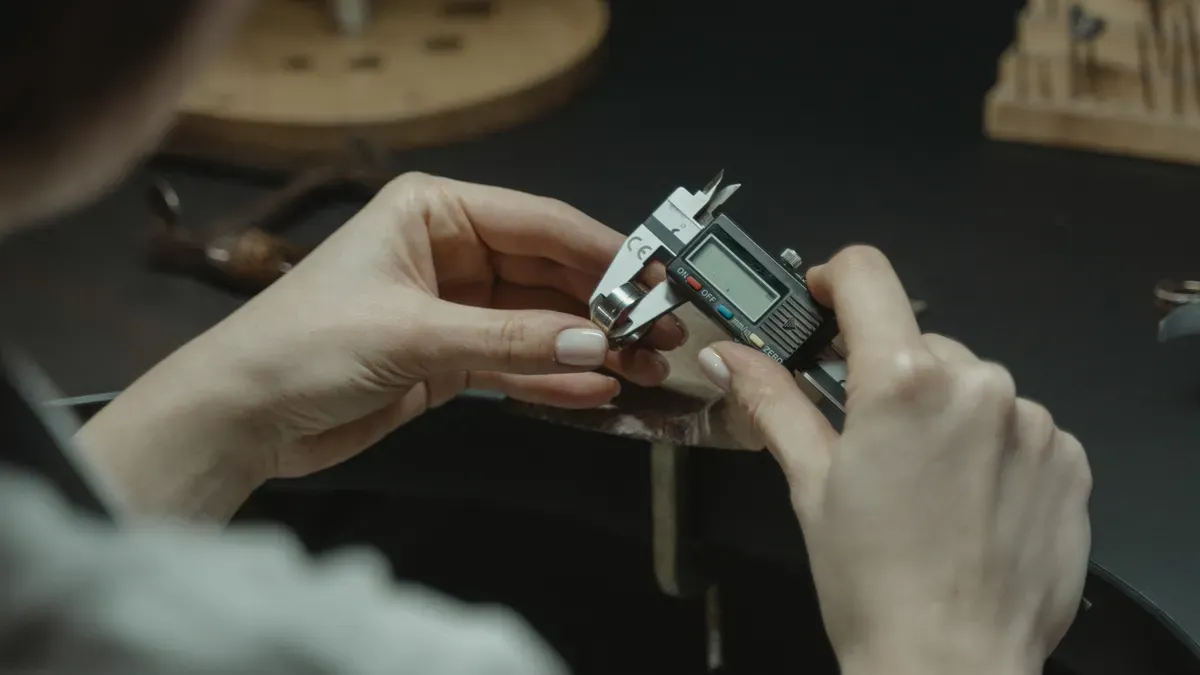
When prototype samples arrive, conduct a multi-point inspection. Check dimensional accuracy against spec sheets. Examine the plating for discoloration, scratches, or skin transfer. Test stone setting security with a tug test for loose stones. Check wear safety for sharp burrs or rough polishing. Verify weight and texture match your brand standards. Submit a consolidated list of revision requests if adjustments are needed. Most manufacturers include one free revision. Sign and date the approved physical sample. Keep one signed copy and send one back to the factory. This dual signed sample set becomes the legally binding benchmark for production.
Speed separates top-tier manufacturers from average ones. Concept-to-sample timelines typically range from 8 to 17 days. 3D drawing takes 1–7 days. Sample making takes 7–10 days. A custom jewelry manufacturer that achieves this turnaround supports rapid collection launches. Fashion jewelry prototyping generally takes 7–25 days. A partner at the faster end gives you a competitive edge.
Ask about revision allowances. How many free design adjustments are included? What fees apply for extra edits? Do they provide multi-angle technical drawings with exact dimensions before creating wax molds? Walk through the full production workflow. Ask when inspectors review wax molds, semi-finished metal blanks, stone inlay integrity, plating uniformity, and final assembly. Separate sampling lead times from bulk production timelines.
A reliable jewelry manufacturer gives you full control over design and quality throughout the process. This approach works for any custom jewelry manufacturers you evaluate, including affordable custom fashion jewelry manufacturers that still meet your standards. True customization does not sacrifice consistency. Quality custom jewelry production demands both creativity and repeatable processes. Good customization requires skilled craftsmen who balance design freedom with manufacturing constraints. By testing design capabilities early, you build trust that carries through every future order.
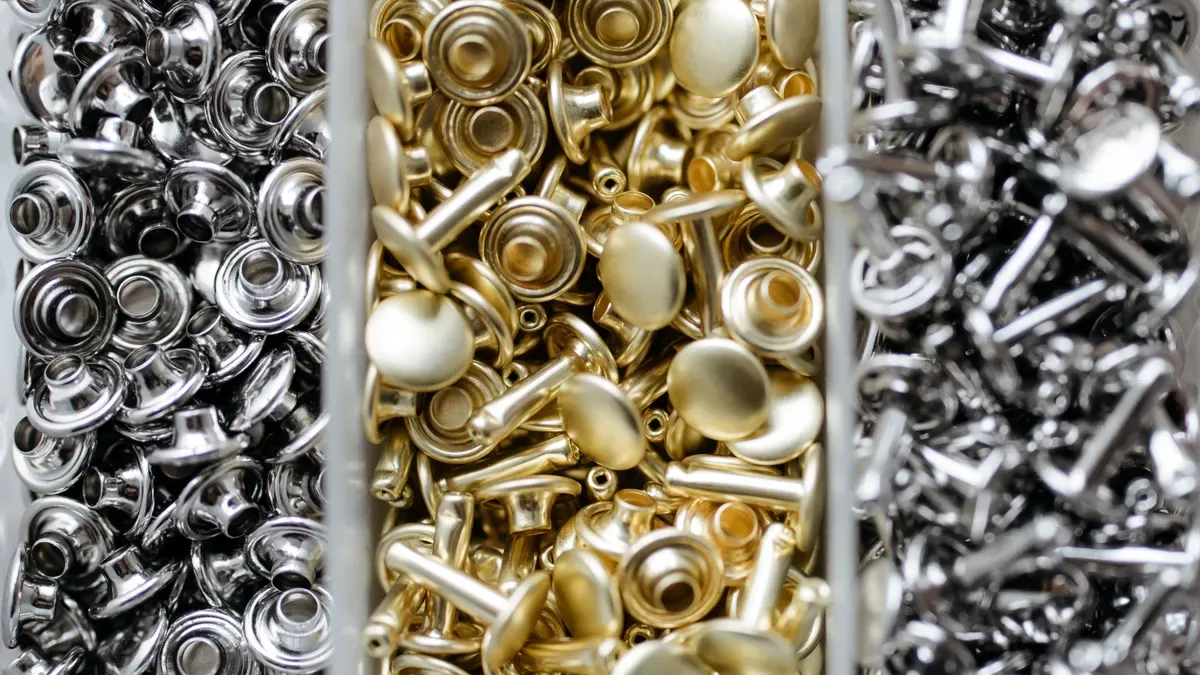
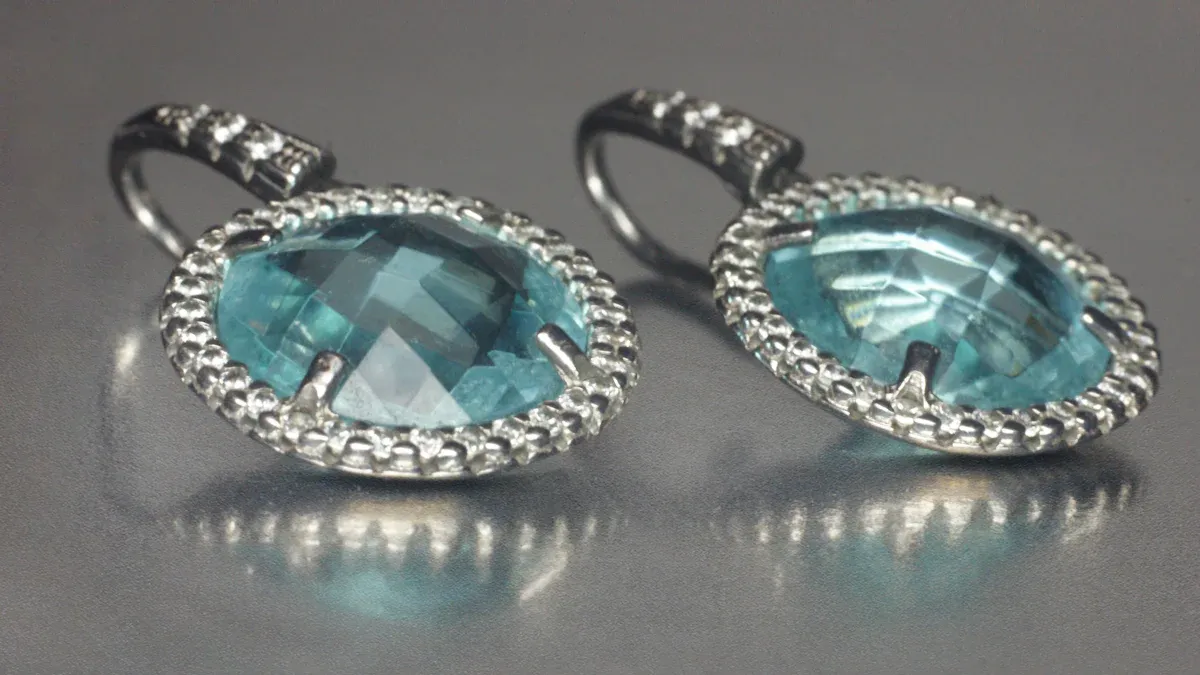
You can tell a jewelry manufacturer's skill by the techniques it does well. Micro-pavé setting shows the difference between top craftsmen and average ones. This method places tiny gemstones very close together in metal. It makes a steady sparkle. The setter drills small holes, puts each stone in, and holds it with tiny prongs or beads. This work needs a microscope or loupe, special tools, and steady hands. You can barely see the metal holding the stones. A custom jewelry manufacturer that does micro-pavé well can also do traditional pavé, hollow chains, and hand engraving. Ask your possible partner to show samples of these hard techniques. Check stone alignment, how much metal shows, and surface smoothness under a magnifier. A skilled manufacturer will welcome this close look.
A low price per piece often hides real costs. Mold fees, better plating, rush charges, and shipping add up fast. Look at these before you agree:
Cost Factor | Typical Price / Rule |
|---|---|
Single mold set | $30–$80 or more for complex designs |
Mold fee waiver | Waived for common designs over 200 pcs per SKU |
Design/drafting fee | ~$30 for simple designs; $50+ for intricate designs |
Plating can make up 10–30% of the cost per piece. Thicker coats and multiple colors raise costs more. You should look at affordable custom fashion jewelry manufacturers as a group. These suppliers balance cost, quality, and customization with smart methods. They use AQL sampling to find defects without checking every piece. They depend on approved lab tests for RoHS, REACH, and nickel release. This keeps rule-following costs low. Still, be careful here.
Mistake 1: Compare unit price before checking what rules each supplier follows. If a supplier can't say which standard the batch was tested to, the price is not lower. It is unfinished. That gap usually comes back as rework, a denied shipment, or a block on selling.
A reliable manufacturer sets a good value example. Its skilled workers and steady buying system give good quality at fair total cost. Judge affordable custom fashion jewelry manufacturers on total value, not the sticker price. A reliable jewelry manufacturer earns its place through skill and openness.
You protect your brand by doing homework first. Ask for samples and compare them to bulk output. Put production timelines in writing. Check factory and quality certifications before you commit. Make clear who owns the intellectual property. A custom b2b jewelry manufacturer with nothing to hide will answer every question.
Use a structured risk assessment before you sign. The table below shows what to verify:
Pre-Partnership Risk Assessment Step | Key Evidence / Verification Method |
|---|---|
Verify metal origin records | Ask for supplier invoices, material declarations, batch records, and test reports that match the specification; compare against OECD Due Diligence Guidance. |
Validate recycled-content claims | Get a supplier declaration stating percentage basis (pre- vs post-consumer), calculation method, and material covered; support with purchase records and independent certification. |
Audit labor conditions | Use a written supplier questionnaire covering wages, hours, age verification, and grievance channels; assess willingness to permit worker interviews against ILO core standards. |
Confirm restricted-substance testing | Pick testing per destination market; address lead, cadmium, nickel release, and coatings; require reports identifying sample, method, lab, date, and pass criteria. |
Address traceability gaps | Map material flow from brass purchase through casting, polishing, plating, assembly, inspection, and shipment; require identification of approved subcontractors. |
Include ethical sourcing clauses in OEM contracts | Define approved material specification, origin claims, restricted-substance requirements, record retention, audit access, and corrective-action procedures. |
Protect your designs with strong IP terms. Standard protections include mutual non-disclosure agreements, clarified IP ownership clauses assigning design rights to you, and limited-access production lines when required. Operational controls include watermarking digital files, restricted pattern storage, and restricted tooling custody. Some clients require serial-numbered tooling or third-party escrow for CAD files. Use staged release of production files and contractually define penalties for IP breaches.
Check compliance certificates before signing. Look at the validity period of each certificate. Make sure the product scope on the document matches your actual order. Ensure the correct standard version is referenced. An expired certificate, a test report for the wrong SKU, or an outdated standard can create customs and customer problems.
Custom fashion jewelry manufacturers for startups should offer flexible minimum order quantities and clear communication. The typical minimum order quantity for custom jewelry manufacturers catering to startups in 2026 is 100 to 300 pieces per design. This flexible policy is specifically tailored for scaling e-commerce brands, startup boutiques, and independent wholesale buyers. Look for flexible MOQs, flexible MOQs, and flexible MOQs when you evaluate startup-friendly custom jewelry production.
A strong jewelry manufacturer supports your growth beyond the first order. Trend forecasting keeps your collections relevant. Trade show participation connects you with new buyers and industry insights. Repeat-sales design ensures your best sellers stay in stock.
Leading manufacturers leverage personalization, sustainability, and digital innovation. A jewelry manufacturer that understands these trends helps you capture demand.
Trade shows matter for long-term growth. Events like JIS Fall in Miami Beach and JA New York Fall offer immediate delivery for holiday inventory. The Chicago Responsible Jewelry Conference explores climate change, sustainable development, and human rights. A jewelry manufacturer active in these events stays ahead of industry shifts.
AI-powered B2B sourcing engines and industry forums can help you shortlist custom jewelry manufacturers. But direct evaluation still matters. You must verify quality inspections and logistics coordination yourself. Request samples. Check factory certifications. Confirm reliable delivery terms. A trusted factories network gives you confidence, but your own due diligence protects your brand.
The right partner offers customization that scales with you. It provides quality inspections at every stage. It supports reliable delivery and responsive communication. With flexible MOQs and proven quality certifications, a jewelry manufacturer becomes a true growth partner. Choose a partner that invests in your success, not just your first order.
You now have a full plan for checking any jewelry manufacturer. Look at quality consistency, custom jewelry design skills, craftsmanship, total cost, risk controls, and growth support all together. A step-by-step process like this protects your brand and builds a stronger long-term partnership. Do not rush toward the lowest price. Follow each step in order. Ask for samples. Check certifications. Confirm timelines and intellectual property terms. Compare affordable custom fashion jewelry manufacturers on total value, not sticker price. The right jewelry manufacturer is out there for your brand. Ask the right questions, and you will find a partner who delivers quality you can trust.
Look for SMETA, RCS, and Technical Evaluation. These certificates prove ethical manufacturing and responsible sourcing. Always check the validity period and confirm the product scope matches your order. An expired certificate or wrong SKU reference creates customs problems.
Many manufacturers now offer flexible minimums. For startups, typical MOQs range from 100 to 300 pieces per design. This policy suits scaling e-commerce brands and independent boutiques. Ask about per-style minimums rather than per-order totals. Flexible MOQs let you test designs without heavy inventory risk.
Concept-to-sample timelines typically range from 8 to 17 days. 3D drawing takes 1–7 days. Sample making takes 7–10 days. Fashion jewelry prototyping generally takes 7–25 days. A partner at the faster end gives you a competitive edge for seasonal launches.
Mold fees, plating upgrades, rush charges, and shipping add up fast. Single mold sets cost $30–$80 or more for complex designs. Plating can make up 10–30% of cost per piece. Always compare total landed cost, not sticker price.
Use mutual non-disclosure agreements. Clarify IP ownership clauses that assign design rights to you. Watermark digital files and restrict pattern storage. Some clients require serial-numbered tooling or third-party escrow for CAD files. Define penalties for IP breaches in your contract.


 EN
EN
 English
  Italian
  Spanish
  Ukrainian
  Japanese
  Norwegian
  Portuguese
  Korean
  Russian
  French
  Danish
  German
  Arabic
  Back to List