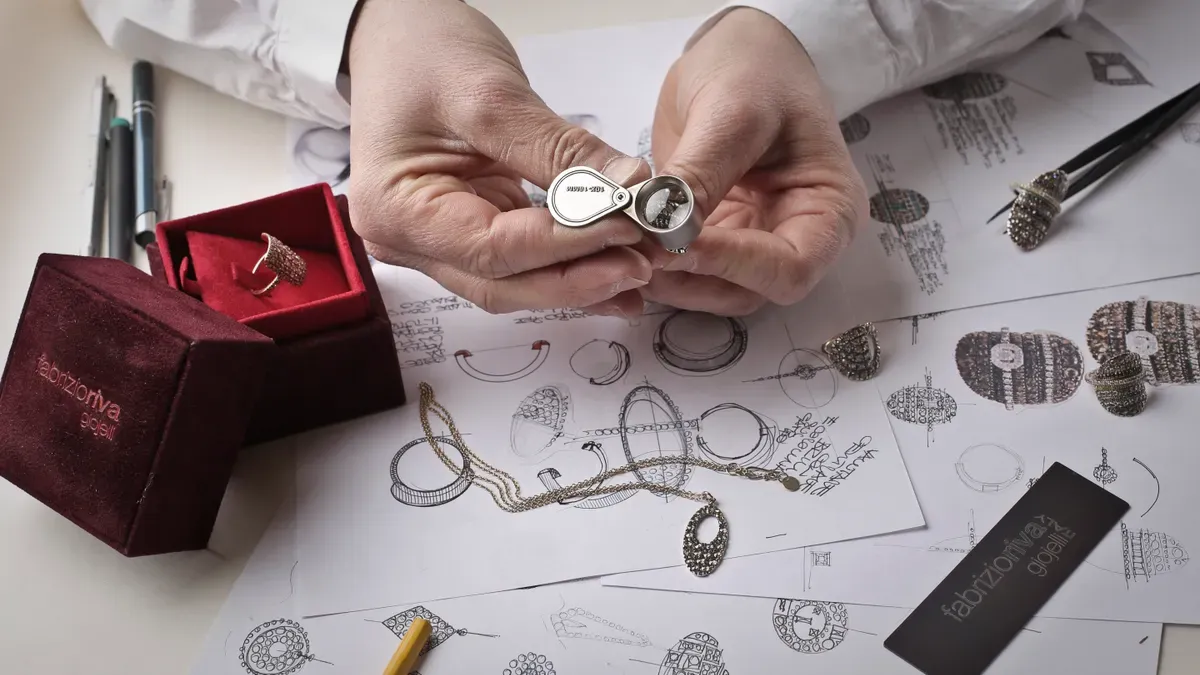
Skilled Jewelry CAD and 3D modeling experts turn your rough sketch into a precise digital file ready for making. Finding the right expert is a real challenge, though. You need someone who knows both technical software and the fine art of jewelry design. This can feel overwhelming. You want a professional who understands how things are made, not just someone who runs the software.
This article gives you a clear, useful plan for checking out candidates. You will learn how to define your project, review portfolios, test communication, and keep your ideas safe. We look at key points like technical skills, knowledge of manufacturing, and staying within your budget. You will find out how to spot a true jewelry designer who creates files ready for production. Use this guide to hire with confidence for your next jewelry project.
Figure out your project's technical needs and budget before you search for an expert.
Look at their past work to see if they know how things are made.
Test your communication skills on a small trial project and look at past client references.
Sign a contract that includes an NDA to keep your ideas safe.
Pick a designer who mixes technical know-how with a good sense of creativity.
Before you look for a jewelry CAD expert, make sure you understand your own project. A clear plan helps you avoid confusion and wasted time. You should know how complex your design is, what materials you want, and what the final result should be. Do you need a file ready for 3D printing and casting, or just a simple concept model? This choice affects every step you take next.
Start by listing your technical needs. A jewelry CAD file must follow certain rules for 3D printing. The XY accuracy must keep small text, stone seats, and prong sizes correct. The Z-axis control must create clean edges and smooth vertical changes. Your design must keep tiny details like thin walls and sharp edges safe.
Different printing methods have different limits. For SLA/DLP, the smallest details are 0.2 mm, and the minimum feature size ranges from 0.3 to 1 mm. For DOD, the smallest detail is 0.25 mm. DMLS needs bigger features, with the smallest detail at 1 mm and feature sizes from 1 to 3 mm. These limits guide your design choices.
Your material choice also changes how you model. The table below shows how wax and resin differ.
Material | Impact on CAD Modeling | Key Considerations |
|---|---|---|
Wax | Allows hands-on design but less precision; CAD models must be made with hand-finishing in mind. | Natural smooth finish, clean burnout, but slower for making many copies. |
Resin | Enables digital work with high precision and repeatability; CAD models must be made for 3D printing (supports, orientation). | Sharp details, tight tolerances, but needs longer burnout and maybe extra finishing steps. |
A skilled jewelry designer must know all parts of manufacturing. As one expert says, "A good model is a production plan."
You also need to pick your service range. Do you want a full-service partner like Perfect Jewelry, which handles design, molding, production, and packaging? Or do you need a freelance modeler for just one job? This choice affects your time and money.
Turnaround times vary a lot. According to UrgentCAD, most custom jewelry CAD designs finish within 24 to 72 hours, based on how complex they are. Jewelry Rendering Services says basic projects take 1 to 3 days, while complex luxury designs may need 1 to 2 weeks. Use these time frames to plan your schedule.
Your budget should match the project's technical needs. A simple band with a stone setting costs less than a complex multi-stone engagement ring. Full-service providers offer ease but cost more. Freelancers may charge less but need more of your time to manage. Look at your needs honestly and set a realistic budget from the start.
To find the right expert, know where skilled people look for work. Different websites attract different skill levels. You need a plan that finds both freelancers and big studios. The best place to look depends on how hard your project is and how much you want to be involved.
Online marketplaces are the quickest way to find many talented people. Fiverr and Upwork have thousands of freelancers who specialize in jewelry CAD and 3D modeling. These sites have review systems, safe payment methods, and ways to solve problems. You can sort candidates by rating, response time, and finished projects. Cad Crowd and Truelancer also focus on design and engineering, so they are good choices for jewelry tasks.
Each platform has its own good points. Fiverr is good for small, clear jobs like a single ring model. Upwork is better for long-term work or big projects needing many changes. Cad Crowd links you with checked experts who often know about manufacturing. Truelancer has lower prices, but you must check candidates more carefully.
When you look at profiles, do not just check the stars. Read recent reviews for notes on how fast they reply and how accurate their files are. A freelancer who gives clean, ready-to-use files saves you money on later fixes. Ask about their experience with your exact manufacturing method, like casting in wax or printing in resin. Their answer shows their real-world knowledge.
Online platforms give you many options, but industry networks give you better quality. Forums like the McNeel Forum bring together Rhino and Matrix users who share tips and review each other's work. You can see how they solve problems before you contact them. Facebook groups for jewelers and CAD experts also offer a place where skilled designers show their latest work. Members often suggest people they trust.
Referrals from people you already work with matter a lot. Your casting house or 3D printing service works with jewelry designers every day. They know which modelers make files that print well the first time. A tip from a vendor who sees the final product is worth more than a random online review.
Some experts work on-site at factories instead of from home. Companies like La Vita Vital in Irvine, California, hire CAD specialists who work directly with production teams. This setup works well for complex projects where design and making must stay closely connected. You get the benefit of talking in person and getting quick feedback from the people who will make your piece.
Your search plan should mix these methods. Start with online sites to make a list of possible candidates. Then check those names against industry forums and ask your manufacturing partners what they think. This step-by-step method finds experts who have both technical skill and real production experience. The right jewelry designer for your project will likely show up in more than one place, which gives you confidence before you spend time on deep checks.
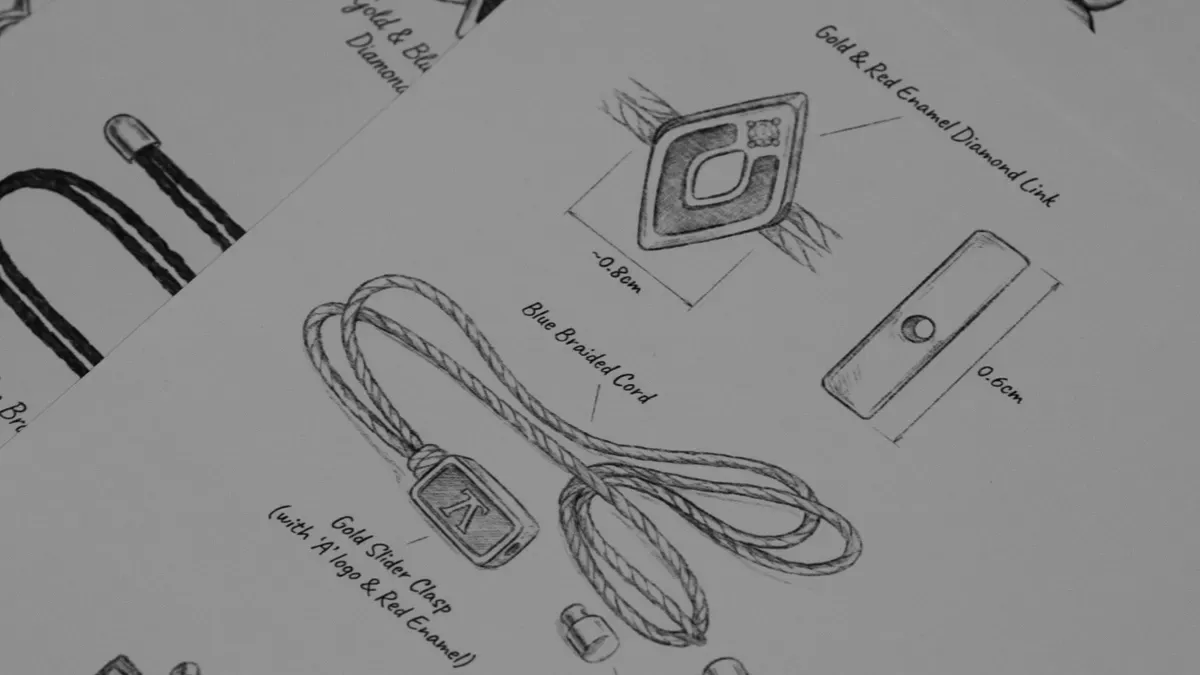
A strong portfolio is your first tool to check candidates. You must see real jewelry pieces they made, not just random 3D objects. Look for their style, how they handle small details, and their work across different types of products. A portfolio full of engagement rings shows one thing; a portfolio with earrings, pendants, bracelets, and custom pieces shows another. The second one proves they can adapt, which helps if your project changes later.
You want a jewelry designer whose past work matches your current needs. If you make bridal sets, find someone who has modeled pavé bands and halo settings before. If you make fashion jewelry, look for experience with organic shapes and textured surfaces. Check the rendering quality in their portfolio. Sharp, clean images show they care about presentation. But look past the pretty pictures. Ask to see wireframe views or screenshots of their modeling process. These show how they build geometry underneath.
Experience level changes what you pay and what you get. A senior jewelry designer with decades of skill charges higher fees. That cost buys better problem-solving skills. They have seen casting failures, stone-setting issues, and production problems. They know how to design around those problems before you face them. A newer modeler costs less but may need more help and changes. Weigh your project's difficulty against your budget to find the right match.
Software skills separate real professionals from hobbyists. The jewelry industry uses Rhino and Matrix (MatrixGold) as its standard tools. You should make sure your candidate works well in these programs. The table below shows what each platform offers.
Feature Category | Rhino Essential Features | Matrix (MatrixGold) Essential Features |
|---|---|---|
Core Modeling | Accurate NURBS geometry for flexible 3D design exploration | Parametric environment merging Matrix and RhinoGold functionality |
Visualization | Real-time visualization, multiple display modes, support for V-Ray/KeyShot renderings | Inherited from Rhino's rendering capabilities |
Manufacturing | Output STL files for 3D printing (EnvisionTec, Asiga, 3D Systems), CNC plugins (RhinoCAM, JewelryCAM), robot fabrication | Inherited from Rhino's digital manufacturing workflow |
Industry Integration | Brand-specific plugins linking to realtime gemstone/mounting inventory | Direct integration for product customization and online ordering |
Advanced Design | Grasshopper algorithmic tool for parametric systems, organic repetition, form optimization | Parametric environment for jewelry-specific design automation |
Your expert must also know how their 3d modeling software connects to real production. Files that look perfect on screen can fail in the casting house. Common mistakes ruin good designs. Poor stone settings cause stones to shift or break during casting. Too many details make casting hard and lead to incomplete fills. Ignoring shrinkage allowances messes up final sizes. Designing for the wrong method creates models that cannot be cast at all.
Structural integrity matters too. Sections that are too thin break during polishing or wear. Sections that are too thick waste metal and may cause holes. Overlapping surfaces and messy geometry block 3D printing. Wrong export formats, like low-resolution STL files, cause faceting and rough surfaces. Incomplete files with missing parts or hidden layers lead to failed prints.
A slightly thicker shank, extra cuts, grooves, and small features add metal weight and finishing time. Poor stone spacing wastes metal and makes setting harder. Designs that ignore polishing access add bench time. These CAD choices, though small in looks, directly affect casting success and profit.
The ideal jewelry cad and 3d modeling experts mix artistic vision with manufacturing reality. They know that a good model is a production plan. When you review candidates, ask them to explain how they handle shrinkage, stone seats, and sprue placement. Their answers show if they truly understand jewelry production or just know how to move polygons.
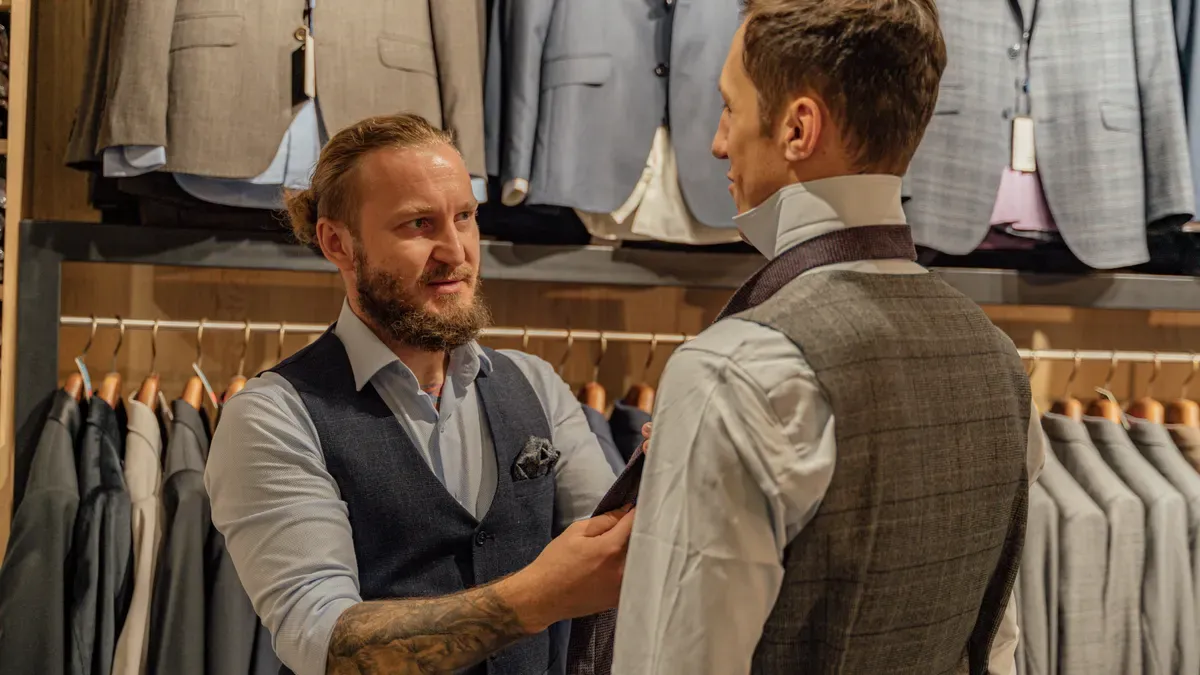
You have narrowed down your list of candidates. Their portfolios look strong, and their technical skills impress you. Now you must test how well you can work together. A skilled modeler who cannot communicate clearly will cause delays and frustration. This final stage protects your time, your money, and your creative vision.
Start with a small, clear trial project. Choose a simple piece that still tests their skills, like a plain band with one stone setting. Give them clear instructions and a firm deadline. Watch how they respond to your feedback. Do they ask smart questions? Do they send updates without you asking? Do they deliver on time?
How often you talk directly affects project success. The right pace depends on three things. Complex designs with many stones or fine details need more frequent, visual check-ins. Urgent timelines demand quick answers, often through phone calls. Regular progress updates work best through scheduled emails or calls to keep things moving. A candidate who adjusts their communication style to your project's needs shows professional maturity.
After the trial, contact their references. Ask past clients about reliability, professionalism, and how the designer handled changes. A reference who praises their problem-solving skills tells you more than one who only mentions technical ability. You want a jewelry designer who catches issues before they become costly mistakes.
A clear contract protects both sides. Include the scope of work that defines every task the designer will handle. Outline payment terms with deposits and milestone schedules. Specify all deadlines and delivery dates. Most importantly, state that you keep ownership of all designs created for your brand. Add confidentiality clauses to protect sensitive information about your product lines.
Your jewelry design ideas hold real commercial value. A full Non-Disclosure Agreement (NDA) must be signed before production begins. This document makes confidentiality legally binding. It ensures your designs never appear on social media, websites, or portfolios without your written permission. Only approved people should access your files, which stay stored in encrypted systems with limited access.
Confidentiality by default. We never appear in the chain in front of your client unless you ask us to.
This principle should guide your choice. A professional who respects your privacy from day one shows integrity. They understand that your jewelry designs represent your brand's identity and market position. When you find someone who combines technical excellence, clear communication, and strong legal protections, you have found your partner for long-term success.
Finding the right jewelry cad and 3d modeling experts requires a structured approach. You define your project scope, search targeted platforms, review portfolios carefully, and test communication through trial work. Each step filters out weaker candidates.
The ideal jewelry designer balances technical skill with creative understanding and professional reliability. They know software deeply and understand how their models become physical jewelry. This combination ensures your files translate smoothly into production.
A thorough vetting process costs time upfront. That investment pays dividends through fewer revisions, fewer casting failures, and a final product that matches your vision. You protect your budget and your brand reputation.
Choose wisely, and you build a long-term partnership. That relationship benefits future projects and product lines. Your jewelry design work grows stronger with each collaboration, creating pieces that delight customers and drive your business forward.
Ask the expert to explain how they handle shrinkage and where they place sprues. A file that is ready for production accounts for casting limits, stone seat angles, and wall thickness. Ask for a test print or sample cast before you commit to full production. This step helps you spot hidden issues early.
The standard tools in the industry are Rhino and MatrixGold. These programs handle jewelry-specific features like pavé settings and organic shapes. Ask which version they use and if they can export STL files that work with your chosen printing method. Make sure they can also provide renderings for client approvals.
Prices vary a lot based on complexity and experience. A simple band may cost under $100, while detailed multi-stone engagement rings can go over $500. Freelancers on sites like Fiverr charge less, but full-service providers offer design through production support. Always ask for a detailed quote before you start.
Clarify revision policies before you sign. Most professionals include two to three rounds of changes in their base fee. Extra revisions cost more, so write down the scope of included changes in your contract. This protects both sides and prevents confusion about what you get.
Yes. Sign a Non-Disclosure Agreement before you share sketches or concepts. Your contract should state that you own all intellectual property created during the project. A professional jewelry designer will respect these terms without hesitation. Never work with someone who refuses to sign an NDA.

 EN
EN
 English
  Italian
  Spanish
  Ukrainian
  Japanese
  Norwegian
  Portuguese
  Korean
  Russian
  French
  Danish
  German
  Arabic
  Back to List