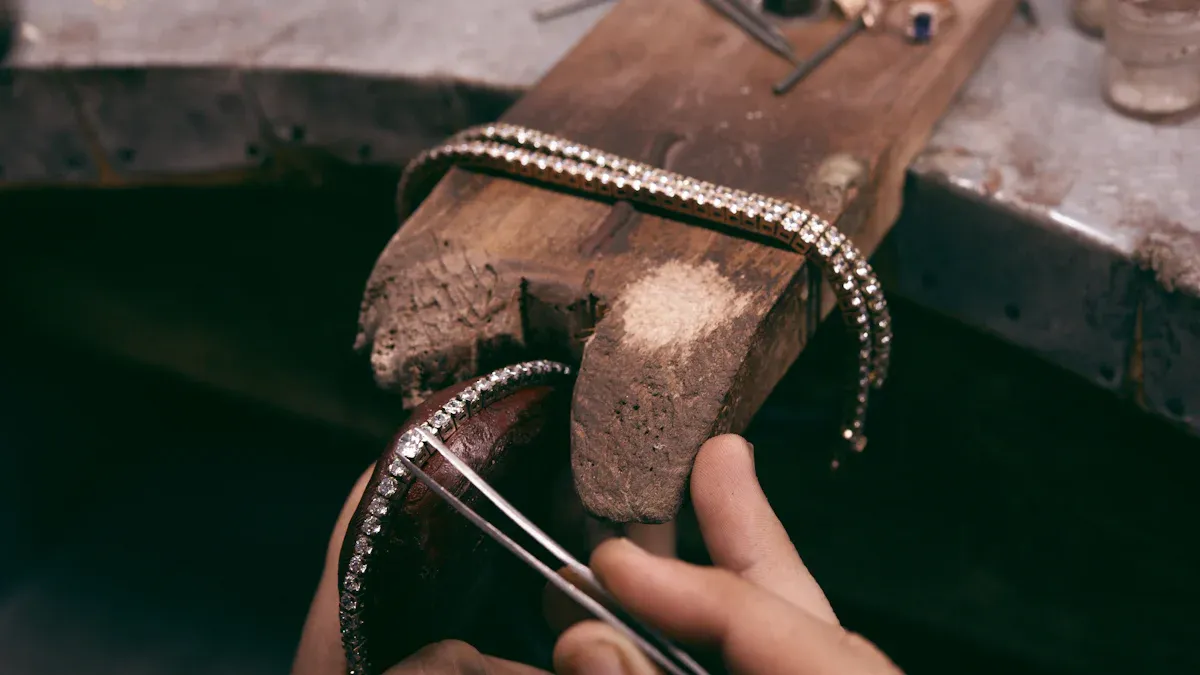
Choosing a jewelry production partner is one of the most significant decisions your brand will make. Your reputation depends on every order you ship, and a misstep can cost far more than money—it can waste precious time, erode customer trust, and close the door on new opportunities. This is not a choice to rush; it requires thoughtful evaluation, not a quick vendor pick.
What truly separates a run-of-the-mill supplier from a jewelry manufacturer with long-term partners who help brands thrive? It comes down to integrity, not just samples or price points.
You need a trusted manufacturer who treats your success as their own. Building lasting partnerships means digging into how they operate day in and day out. The best partners anchor their entire business around sustainability, consistency, and mutual growth. That kind of alliance gives you a real competitive advantage.
The qualities below offer a practical framework for assessing potential partners beyond the surface-level appeal.
Pick a maker that checks quality carefully and delivers the same great results every time, so your brand stays trusted.
Check for ethical and sustainable practices using certifications like RJC and SMETA to meet what customers expect.
Look for a partner who talks with you early and works together to fix problems, so you can avoid expensive mistakes.
Make sure your manufacturer can handle bigger orders and keep up with new styles to help your brand grow.
Protect your designs with strong IP security, and pick a partner who is financially stable so they stay reliable for many years.
Quality is the base that no good partnership can go without. One bad batch can ruin years of brand trust you worked hard to build. Customers remember a broken clasp or a dull ring long after they forget your ads. The effects spread wide: returns, remakes, bad reviews, and unclear supplier blame. Even a few bad items can hurt customer trust and lead to returns, turning one small mistake into a lasting image problem.
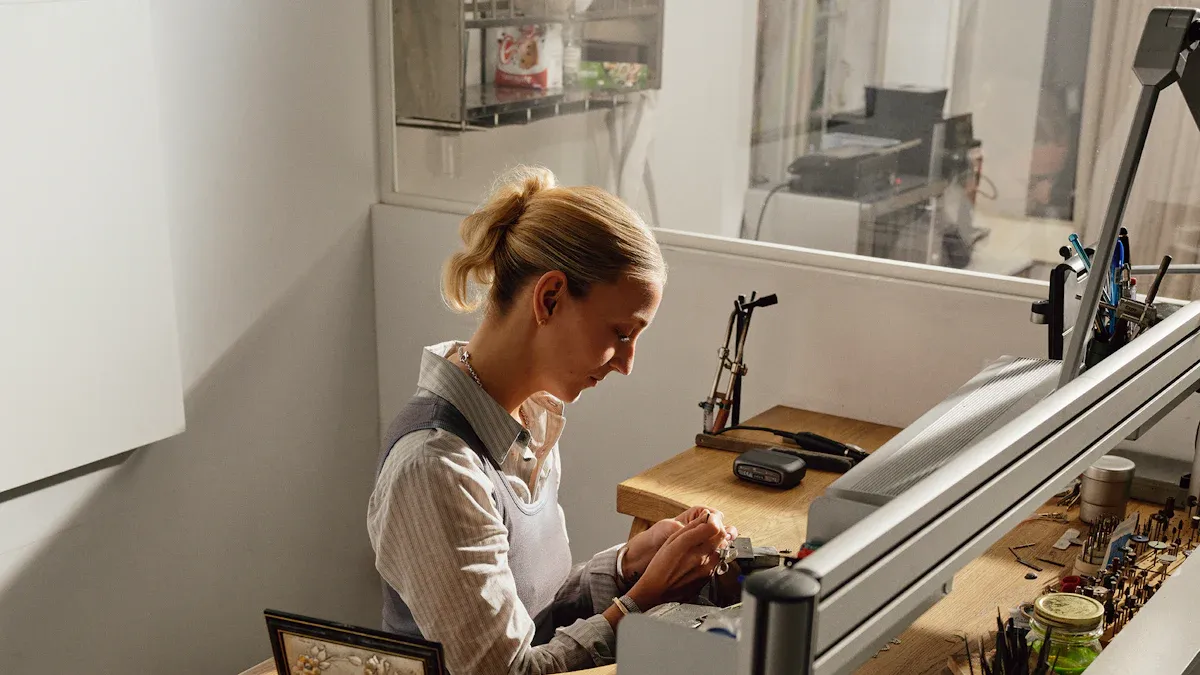
Quality control must work at every step, not just at the end. It starts with checking raw materials, where experts test metal purity and check gemstones against world standards. Sampling during production catches problems at key steps like welding, setting, and polishing. Final checks look at ring size, stone shape, polish smoothness, and clasp function. Bad pieces go back for fixes before they ever reach your customers.
Your quality checklist should look for burrs, cracks, and shrinkage. Good design stops rust and snaps that cause early breakage. Under CPSC rules, common defects that cause recalls include unsafe lead levels, small parts that come off easily, and sharp edges. Other issues include skin reactions from metals like nickel, broken clasps, and wrong labels. A jewelry manufacturer with long-term partners must check for every one of these risks.
On-time delivery matters just as much as product quality. A partner who always meets deadlines shows respect for your business and your customers. This matters most during busy seasons or rush orders when delays cost you sales and trust. A manufacturer with long-term experience has improved their quality systems over many years. Their skilled workers and steady supply system ensure high-quality products that meet strict standards for shine, durability, and strength.
Steady quality from batch to batch shapes your brand image. When customers see the same quality each time, they trust you more, buy again, and stay loyal over time. Without tight supply control, items often peel or tarnish during daily wear, which hurts your reputation directly.
Quality teams compare test samples against bulk pieces to check that coating and finish match. Spectrophotometers measure color against master samples to stop shade differences between lots. This steady supply and quality means your customers get the same experience with every buy, whether it's your first collection or your tenth. Strong quality control and reliability become your edge when you work with a manufacturer who treats every batch as a mirror of your brand's promise.
Modern shoppers and B2B buyers want to know the full story. They ask where their jewelry comes from and who made it. A long-term partner must show real proof of their ethical claims through trusted certifications, not just catchy marketing words. Empty promises hurt your brand faster than any design mistake.
A World Gold Council survey of over 6,000 consumers worldwide found that 70% of gold jewelry buyers want to buy pieces that are 'produced ethically,' with minimal environmental harm and fair working conditions for miners.
This number shows a clear change in the market. Your customers deeply care about where their purchases come from.
Certifications act as your evidence. SMETA audits check labor standards, health and safety, environmental impact, and business ethics. RCS certification confirms recycled content and tracks materials through every production step. These systems demand ongoing improvement, not just a one-time check.
RJC certification is now the most recognized and respected standard in the global jewelry supply chain. Its program offers a strict, independently audited framework that covers human rights, labor standards, environmental management, and product integrity.
When you review ethical and sustainability policies, look for these credentials. A jewelry manufacturer with long-term partners will show them openly. They should also have clear policies for sourcing conflict-free diamonds and gemstones. This responsibility protects your reputation and matches what your customers value.
Traditional jewelry production leads to deforestation, water pollution, and heavy carbon emissions. Mining operations disturb ecosystems. Chemical processing pollutes local water supplies. A responsible partner works to reduce these impacts through sustainable manufacturing methods.
Using recycled metals greatly lowers the need for new mining. This method saves natural resources while keeping the same quality you expect. Fair labor practices matter just as much. Workers who earn proper wages, work in safe conditions, and have full insurance create better pieces with more care. A manufacturer that provides complete insurance coverage for every worker demonstrates commitment. This commitment lowers turnover and builds a steady, skilled team that delivers consistent quality.
Ethical manufacturing also makes your business stronger. Sustainable sourcing lowers supply chain risks from unstable regions. Younger audiences actively look for brands that show ethics and sustainability. When you pick a partner who values these principles, you attract loyal customers who come back for more. Their trust in your brand grows because they see your ethics match their own.

Regular communication and shared responsibility are the foundation of a good partnership with a jewelry maker. Just being quick to reply is not enough. Your partner should know what you need before you ask. This forward-thinking way of working sets apart a simple supplier from a jewelry maker you can trust for many years, one who looks out for you at every step.
A trustworthy partner points out possible problems before they turn into expensive issues. You should get early warnings about material delays, design problems, or production slowdowns, along with real fixes. You should never learn about a problem after it has already hurt your schedule.
The best manufacturing partners do more than just make products. They ask good questions, test ideas, and help you build better collections. The real worth comes from a partner who questions ideas, sees problems ahead, and shares their know-how before production starts.
Regular updates keep your projects moving forward. Sharing production status builds trust and lets you make quick choices. You should get detailed reports on where materials come from, key production steps, and quality check results. Look past just fast replies. Think about how deep their technical knowledge is and how they solve problems ahead of time. Your maker should question goals that are too hard to reach, offer better ways to do things, and match production times with your marketing plans.
Being open also means showing real proof of what you say. True partners have certifications like RJC membership or SMETA audits. They let you trace where metals and gemstones come from. They offer lab tests after production is done. Vague words like "eco-friendly" without clear facts show a lack of openness. A reliable partner will connect you with skilled workers and trusted workshops, showing they are responsible by sharing their process and letting you test their work.
A real partner treats your success as their own goal. They share market knowledge from years of work in many places and with different types of buyers. They suggest design changes that make jewelry easier to wear or lower costs without losing quality. They help you move through changing trends with confidence.
This teamwork goes beyond single orders. Your partner should work like part of your own team. They should know your brand's voice, your target customers, and your long-term aims. They match their production power with your growth plans. They spend time learning your quality rules and what your customers like.
When you find this kind of commitment, you get more than a supplier. You get a strategic friend who cheers for your wins and helps solve problems when things get hard. This type of partnership sparks new ideas and keeps your collections up to date. The right maker brings technical skill and market know-how to every talk, helping you make choices that make your brand stronger.
Your brand needs a manufacturing partner that can grow with you. A jewelry manufacturer with long-term partners must be able to increase production when your orders get bigger. Without this flexibility, your supply chain becomes a problem. Strong production partnerships lower risks, stop delays, and avoid quality issues that cause lost sales. Scalable production improves profit margins and helps you bring new collections to market faster. The right partner also lets you adjust inventory based on demand, so you avoid losing money on extra stock or missing sales when stock runs out.
You often start with small production runs to test the market. Your manufacturing partner must support that early stage. As demand grows, your production capacity should rise step by step. Choose a manufacturer that handles both small batches and larger volumes to support long-term growth. Flexible production systems also let you test new designs without buying huge, risky inventories. This approach lowers risk and gives you confidence to chase new chances. Innovation in production planning and equipment lets your partner adjust capacity quickly. When you find a partner with this skill, you remove a big barrier to growing your brand.
Jewelry trends shift fast. You need a partner who can move quickly to new styles or custom needs. Innovation and technology play a key role here. Prototypes that once took weeks or months can now be done in hours or days. This speed allows fast changes and quicker client feedback. Advanced manufacturing tech, like 3D printing, makes complex designs possible that old methods could not achieve. Lower prototype costs let you try many versions without spending too much. You can also make small batches for niche markets or custom orders. Physical prototypes help you see and test how items work before full production, cutting errors and waste. A manufacturer that specializes in turning high-margin trends into scalable collections quickly can help you reach younger buyers and boost repeat sales. Their work at global trade shows keeps them aware of market changes. When you partner with a manufacturer that invests in modern machines and flexible production lines, you stay ahead of rivals.
IP theft is a real worry in jewelry making. You give your special designs to a maker. A partner you can trust for years must have strong rules to keep your creative work safe.
Copyright protects original jewelry designs as sculptures. But the useful article doctrine limits protection to parts that can be separated. Basic shapes like circles or squares are not protected on their own. Their selection and arrangement may be original. Things that work, like clasps and hinges, are not protected by copyright or design patents. Rivals can copy these working parts legally. Ideas and concepts are not protectable. Only the physical version of an idea can get copyright.
You need a maker who takes real steps to protect your designs. Look for limited access to CAD files. Only workers who need them for a job should see them. Keep physical items like molds and dies safe. Your contract should say you own all tooling. Use a written approval process. You sign off on a golden sample before full production. This makes a clear record of the final design. These steps show responsibility in handling your ideas. They also protect your brand's quality by stopping illegal copies.
A maker's money health matters for your supply chain safety. A partner with a strong balance sheet is less likely to cut corners or vanish. You need to check key numbers before you commit. Portfolio ROI should be strong, showing the maker can generate profit from their products. New product success rate should be high, meaning most collections meet sales goals within a reasonable timeframe. Time to market for main collections should be efficient, and small collections should be even faster. These metrics show innovation speed and effectiveness. R&D spending should be a meaningful percentage of income, demonstrating investment in future products. Innovation drives long-term growth.
A partner's own long life proves their reliability. A manufacturer with a long track record of handling market ups and downs shows stability. Their focus on ethics and green practices also helps their money strength. Ethical sourcing lowers supply chain risks. Responsible making brings loyal customers.
Quality, ethics, communication, scalability, and protection are the pillars of a jewelry maker you can trust for years. Each trait supports the others. Together they build a base for your brand's future.
These five traits form one complete framework. Quality, sustainability, consistency, ethical practices, and clear communication all work together. You cannot judge a partner by samples alone. You must look at their character.
Keep in mind that the cheapest quote often ends up costing the most. Hidden flaws, delays, and stolen designs destroy far more value than you save at the start.
Use this list as your due diligence checklist. Ask direct questions about certifications, production capacity, and design protection. Ask for real proof of every claim.
Take the time to find a partner who shows these traits. You won't just be sourcing a product; you'll be building a foundation for your brand's future. A strong partnership with a jewelry manufacturer grows from shared values and a mutual commitment to excellence.
Ask them for copies of their SMETA, RCS, or RJC certificates. Look up the group that gave them on their website to make sure they are real. Ask for audit reports that list dates and results. A reliable partner will share these papers freely and without delay.
Order minimums are different for each maker. Some need a minimum order quantity per design. Others allow smaller batches to test new collections. Talk about your growth plans openly. A flexible partner will change minimums as your brand grows.
Sign a secrecy agreement before sharing CAD files. Make sure your contract says you own all tools and molds. Limit who can see your design files. Ask about their safety rules for digital files and physical samples.
Ask about their quality control steps. Ask to see their records of defects. Ask how they deal with material shortages. Ask about worker training programs. Look at how their production floor is organized. A clean, neat workspace shows they run a tight operation.
Normal production runs take a typical timeframe, while complicated custom designs may need longer. Busy seasons can make timelines longer. Ask for a detailed schedule at the start. A reliable maker gives realistic timelines and sticks to them.


 EN
EN
 English
  Italian
  Spanish
  Ukrainian
  Japanese
  Norwegian
  Portuguese
  Korean
  Russian
  French
  Danish
  German
  Arabic
  Back to List