Buyers who compare Chinese suppliers of enamel-on-silver brooches and necklaces face a real problem. It is hard to judge quality, customization, compliance, and cost side by side. The global silver jewelry market reached 42.71 USD billion in 2025, so the choice matters.
Here are ten manufacturers to know. As a trusted China silver enamel brooch and necklace maker, Perfect Jewelry offers trend-driven collections that can grow with demand. Chic Zone focuses on high-fashion silver design. SoulSilver (LaoYinJiang) brings skilled artisan silver craft. Jinyi Jewelry covers full-category silver production. Xuping Jewelry handles large-volume enameled silver. Jusnova Jewelry provides flexible OEM/ODM options. Joacii Jewelry focuses on fine silver jewelry. YIBI Jewelry builds custom brooch and necklace sets. Zhefan Jewelry runs production aimed at exports. Guangzhou Jingying Jewelry anchors manufacturing in South China. Shenzhen Xujia Jewelry Design leads with design.
Detailed profiles, a comparison table, a marks section, and a selection guide follow.
Compare suppliers by quality, customization, compliance, and cost to find the best match.
Ask for sample batches of 5–10 pieces to check that the color and craftsmanship stay consistent.
Check the silver purity with XRF testing, and look at the maker's marks on each piece.
Pick an order size that fits what the factory does best, so you get the best price and service.
Use a sample checklist to check quality before you place a big order.
This guide compares suppliers using eight practical standards. Each one affects how a finished brooch or necklace works for the buyer.
Evaluation Criterion | What Buyers Should Assess |
|---|---|
Enamel quality | Color consistency, surface smoothness, and adhesion after polishing |
Silver purity | Verified 92.5% sterling silver composition, not an unverified stamp |
Durability | Plating thickness, setting security, and multi-stage polishing |
Customization range | In-house CAD teams, rapid prototyping, and flexible low MOQs |
Production capacity | Daily output, workforce depth, and batch-to-batch consistency |
Certifications | Documented quality systems such as ISO 9001, plus SGS or Sedex audits |
Pricing structure | Itemized metal, stone, labor, and plating costs |
MOQ | Test runs of roughly 100–300 pieces for new designs |
A good evaluation also checks consistency. Buyers should ask for sample batches of 5–10 pieces instead of just one sample. This step shows whether a china silver enamel brooch and necklace maker keeps the same standard across a run. XRF testing confirms sterling silver purity, and 12-point inspections cover alloying, setting security, and plating thickness.
The ten profiles are a fit-based comparison, not a ranking of best overall. Each manufacturer fits different buyer needs. A brand chasing fast trend cycles needs different strengths than a retailer ordering classic pieces in bulk.
Being included here reflects publicly available sourcing information. It does not mean we endorse any supplier. Readers should treat every profile as a starting point for sampling and verification. The profiles describe capabilities in neutral terms, so buyers can weigh chinese enameled silver options against their own design complexity, order volume, and budget. Later sections cover maker's marks and a full selection checklist for chinese jewelry sourcing teams.
Perfect Jewelry started in 2002. The company has over 20 years of experience in designing, making, and exporting silver jewelry. A full system for sourcing materials supports its factory floor. Skilled craftsmen do the technical work at every stage.
The product line includes silver enamel brooches and necklaces, plus brooches, rings, earrings, and pendants. Perfect Jewelry is known for turning new trends into collections that can grow. This method helps brands connect with younger buyers and boost repeat sales. A buyer who needs a fresh brooch design for a seasonal launch fits this model well. The same is true for a retailer that wants a matching necklace program built around current fashion themes.
Perfect Jewelry applies enamel with careful control over color and surface finish. Craftsmen work the chinese enameled silver until it is smooth, and each piece uses sterling silver as its base. Durability comes from structured polishing and secure settings. The team offers OEM and ODM options, so buyers can bring their own designs or adapt existing styles. Custom work covers cloisonné techniques and other enameled silver finishes.
Compliance paperwork includes SMETA, RCS, and Technical Evaluation certifications. These records give sourcing teams verifiable documents for their files.
Cost depends on design complexity, metal weight, and order size. Minimum order quantities vary by style, and the company quotes them per project instead of publishing one fixed number. Buyers should confirm pricing tiers and MOQ ranges during sampling. That step keeps budget planning based on the actual specification.
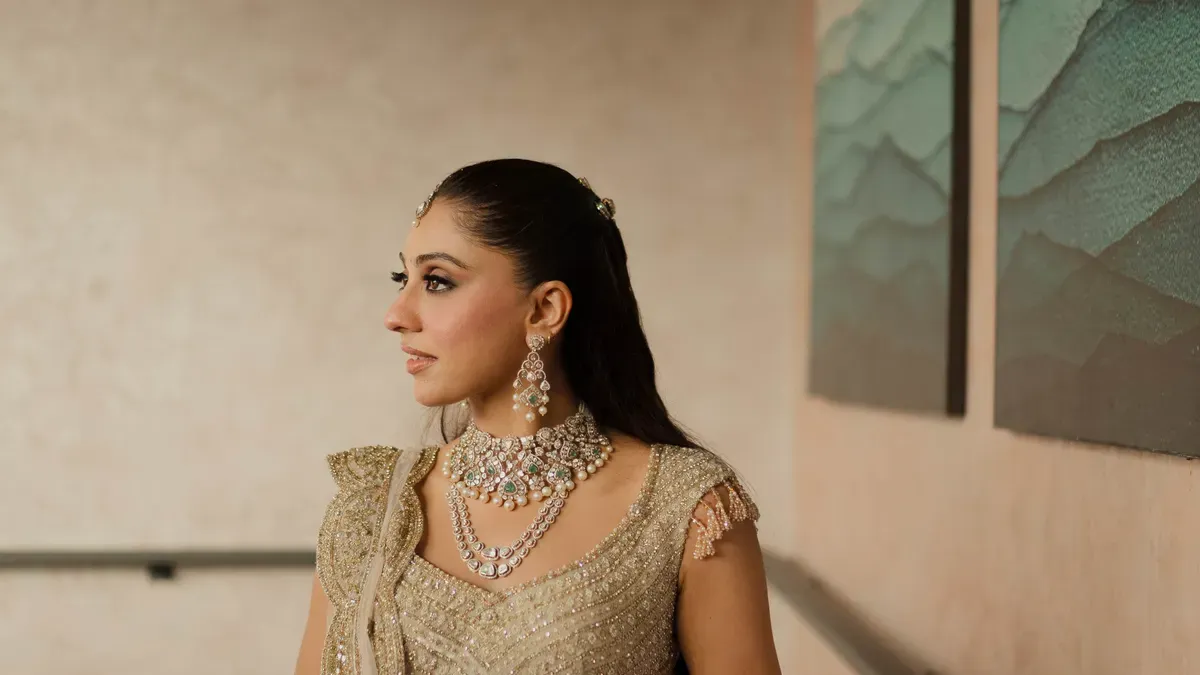
Chic Zone centers its business on high-fashion silver jewelry. The company creates pieces that follow runway and magazine trends, then adjusts those looks for retail collections. Buyers who want bold statement pieces instead of classic basics fit this profile well.
The range includes brooches, necklaces, earrings, and rings. A fashion-forward brooch often features bold color blocking or sculptural shapes. Matching necklace designs carry the same theme across a collection. Chic Zone aims its output at brands that refresh assortments often and need each drop to look current.
Chic Zone treats enamel as a design feature, not just a finish. The team works chinese enameled silver with controlled color mixing and smooth surface work. Craftsmen apply enameled silver techniques across curved and sculptural forms, where adhesion and color consistency are harder to hold. Each piece starts from sterling silver, and the factory checks surface quality after polishing.
Customization leans toward design collaboration. Buyers can bring sketches or reference samples, and the team develops them into production-ready styles. Cloisonné work and other decorative enamel options are available for buyers who want added detail. The company also supports OEM programs for brands with in-house design teams.
Cost tracks design complexity and metal weight. Elaborate shapes and multi-color enamel raise unit cost, while simpler silhouettes keep pricing lower. Minimum order quantities vary by style, so buyers should confirm them during sampling. That step keeps the silver jewelry budget aligned with the actual specification.
SoulSilver, also called LaoYinJiang, is known for its handcrafted work. The workshop combines traditional silversmiths with modern finishing tools. This blend gives buyers pieces that show real handwork instead of pure machine output. Brands that want a heritage feel in their collections fit this profile well.
The range includes brooches, pendants, and necklaces, with a strong focus on decorative surface work. A floral brooch may have hand-set enamel cells, while a matching necklace repeats the motif at a smaller scale. SoulSilver also takes small-batch runs for limited collections. Buyers who plan capsule drops or gift editions can use this flexibility to test a design before scaling it.
SoulSilver treats enamel as a craft step. The silversmiths fill each cell by hand, then fire and polish the piece in stages. This method supports cloisonné work and other detailed patterns on chinese enameled silver. Color depth and surface smoothness depend on the number of filling rounds, so buyers should review samples closely. Each base uses sterling silver, and the workshop checks the metal before decoration begins.
Customization happens through direct design dialogue. Buyers can send sketches, and the team adapts them into handcrafted enameled silver pieces. Small orders are easier to arrange here than at high-volume factories, which suits independent silver jewelry labels. Cost reflects labor time more than metal weight. Detailed handwork raises the unit price, and simple shapes keep it lower. Minimum order quantities stay modest for custom designs, and buyers should confirm them during sampling. That step keeps the budget realistic for artisanal jewelry programs.
Jinyi Jewelry says on its official website homepage that it has 18 years of experience making 925 silver jewelry. That number is tied directly to silver work, not to manufacturing in general. Buyers get a supplier with a long record of making products in one metal category.
The company runs a full-category line. Its catalog covers brooches, necklaces, rings, earrings, and pendants. A buyer who needs one factory for a complete collection fits this model well. A brand can order a brooch program and a matching necklace line from the same source. This approach makes sampling simpler and keeps finishes consistent across a range.
Jinyi Jewelry applies enamel across its full-category output. The team controls color mixing and surface finish on chinese enameled silver. Craftsmen polish each piece after firing, and the base metal is sterling silver. Buyers should review sample batches of several pieces to confirm color consistency across a run.
Customization covers OEM and ODM work. Buyers can supply sketches or reference samples, and the team develops them into production-ready enameled silver styles. The full-category setup helps here. A buyer can adapt one design language across brooches, pendants, and other pieces without switching factories.
Cost depends on design complexity, metal weight, and order size. The company quotes minimum order quantities per style rather than publishing one fixed number. Buyers should confirm pricing tiers and MOQ ranges during sampling. That step keeps the budget tied to the actual specification. A simple silver brooch costs less than a detailed multi-color piece, so buyers should match order volume to design ambition.
Xuping Jewelry focuses its business on making large amounts of jewelry at once. The company works with wholesale buyers, importers, and retail chains that need a steady supply, not just small test batches. A buyer who is planning to launch a big catalog fits this profile well.
The catalog includes brooches, necklaces, earrings, rings, and pendants. One brooch design can come in several color options, and a matching necklace repeats the theme for coordinated sets. Xuping also keeps a large stock of styles it already makes. Buyers who need to fill a catalog fast can order from current lines instead of starting from scratch.
Xuping applies enamel using a production-line process. The team mixes colors in batches and fires pieces in groups. This method keeps color close across a large run. Craftsmen polish each piece after firing, and the base metal is sterling silver. Buyers should still ask for a sample batch of several pieces. That step confirms color consistency before a full order.
Customization follows a practical path. The company supports OEM work, so buyers can change existing molds and add their own color schemes. Fully new designs take longer, because tooling and sampling come first. Buyers with simple changes get faster turnaround than buyers who need brand-new sculpts.
Cost favors volume. Unit prices drop as order size grows, and the company quotes minimum order quantities per style. Buyers should confirm those ranges during sampling. A large order of chinese enameled silver keeps the per-piece price low. Small custom runs cost more per unit. Buyers should match order size to design ambition and confirm the quoted terms before committing.
Jusnova Jewelry focuses its business on OEM and ODM work. The company takes buyer designs and turns them into finished pieces. It also offers ready-made styles that buyers can adapt. This dual model suits brands that want their own look without building a factory team. It also helps retailers who need proven designs with small changes.
The catalog covers brooches, necklaces, earrings, rings, and pendants. A buyer can order a custom brooch for a seasonal line. Then they can pair it with a matching necklace from the same source. Jusnova also supports mixed orders, so a brand can test several styles in one run. Buyers who plan small launches before scaling up fit this profile well.
Jusnova treats enamel work as a core service. The team controls color mixing and surface finish on chinese enameled silver. Craftsmen polish each piece after firing. The base metal is sterling silver, and the factory checks surface quality before packing. Buyers should still request a sample batch of several pieces. That step confirms color consistency across a run.
Customization is the main draw here. Buyers can send sketches, CAD files, or reference samples. The team then develops them into production-ready enameled silver styles. The company handles both OEM work, where the buyer owns the design, and ODM work, where Jusnova supplies the design and the buyer applies its brand. This flexibility helps small jewelry labels launch a first collection without heavy tooling costs.
Cost depends on design complexity, metal weight, and order size. The company quotes minimum order quantities per style rather than publishing one fixed number. Simple designs keep unit prices lower, and detailed multi-color work raises them. Buyers should confirm pricing tiers and MOQ ranges during sampling. That step keeps the budget tied to the actual specification.
Joacii Jewelry builds its business around fine silver pieces. The company designs, makes, and exports sterling jewelry to clients around the world. Its catalog covers brooches, necklaces, rings, earrings, and pendants, and many lines include gemstones and pearls. A buyer who wants a refined look instead of a novelty item fits this profile well.
The company states its material position plainly:
Joacii has been a leading manufacturer and wholesaler of fine sterling silver and gemstone jewelry... We design, manufacture, and export 925 silver, gemstone, pearl, and gold jewelry to clients worldwide.
That focus shapes the product range. A brooch often pairs silver with a set stone, and a matching necklace carries the same stone and metal story. Buyers who plan coordinated fine jewelry programs can source both pieces from one supplier.
Joacii treats enamel as an accent on fine silver work. The team applies color in controlled layers on chinese enameled silver, then polishes each piece to a clean finish. Buyers should review sample batches to confirm color depth and surface smoothness before a full run.
Customization runs through OEM and ODM channels. Buyers can send sketches or reference samples, and the team develops them into production-ready enameled silver styles. The company also stresses findings quality. In a LinkedIn post, Xiamen Joacii Jewelry references 925 sterling silver as the material for its jewelry findings. The same post advises wholesale buyers to inspect clasps, jump rings, ear posts, backs, and connectors for fit, dimensions, clasp operation, alignment, surface finishing, and overall assembly when producing 925 sterling silver jewelry. That checklist gives sourcing teams a practical way to verify quality.
Cost depends on design complexity, stone choice, and order size. The company quotes minimum order quantities per style, so buyers should confirm pricing tiers during sampling. That step keeps the budget tied to the actual specification.
YIBI Jewelry focuses on matched sets. The company makes a brooch and a necklace that share the same design, colors, and finish. This works well for buyers who want coordinated gift programs or seasonal collections. One order can cover both pieces, so the look stays the same from the box to the display.
The catalog includes brooches, necklaces, earrings, and pendants. Many lines focus on floral, animal, and abstract themes. A buyer can ask for one theme across a whole set. YIBI also takes small trial runs before a bigger order. That helps brands test a theme with real customers first.
YIBI sees color matching as the main challenge in set production. The team mixes enamel in batches and applies it to chinese enameled silver with controlled firing. Craftsmen polish each piece after firing, and the base metal is sterling silver. Buyers should ask for a sample batch of several pieces. That step confirms the brooch and the necklace keep the same color across a run.
Customization goes through OEM and ODM channels. Buyers can send sketches, reference samples, or a theme brief. The team then turns the design into production-ready enameled silver. Set-based work suits buyers who want one design language instead of mixed styles. Cost depends on design complexity, metal weight, and order size. The company quotes minimum order quantities per style, so buyers should confirm pricing tiers during sampling. That step keeps the silver jewelry budget tied to the actual specification.
Zhefan Jewelry focuses its business on orders that ship to other countries. The company sends goods to overseas buyers, so its production schedule follows international delivery dates. A brand that sells outside China fits this profile well. So does an importer who needs steady shipments across a season.
The catalog covers brooches, necklaces, earrings, rings, and pendants. A buyer can order a floral brooch for a spring line and pair it with a matching necklace for the same collection. Zhefan also takes repeat orders for styles that already sell well. That option helps retailers restock fast-selling items without going through a new design cycle.
Zhefan applies enamel with export standards in mind. The team controls color mixing and surface finish on chinese enameled silver. Craftsmen polish each piece after firing, and the base metal is sterling silver. Buyers should ask for a sample batch of several pieces. That step confirms color consistency before a full run.
Customization runs through OEM and ODM channels. Buyers can send sketches or reference samples, and the team develops them into production-ready enameled silver styles. Export buyers often need packaging and labeling that match their market. Zhefan supports those requests as part of the order. Cost depends on design complexity, metal weight, and order size. The company quotes minimum order quantities per style, so buyers should confirm pricing tiers during sampling. That step keeps the silver jewelry budget tied to the actual specification.
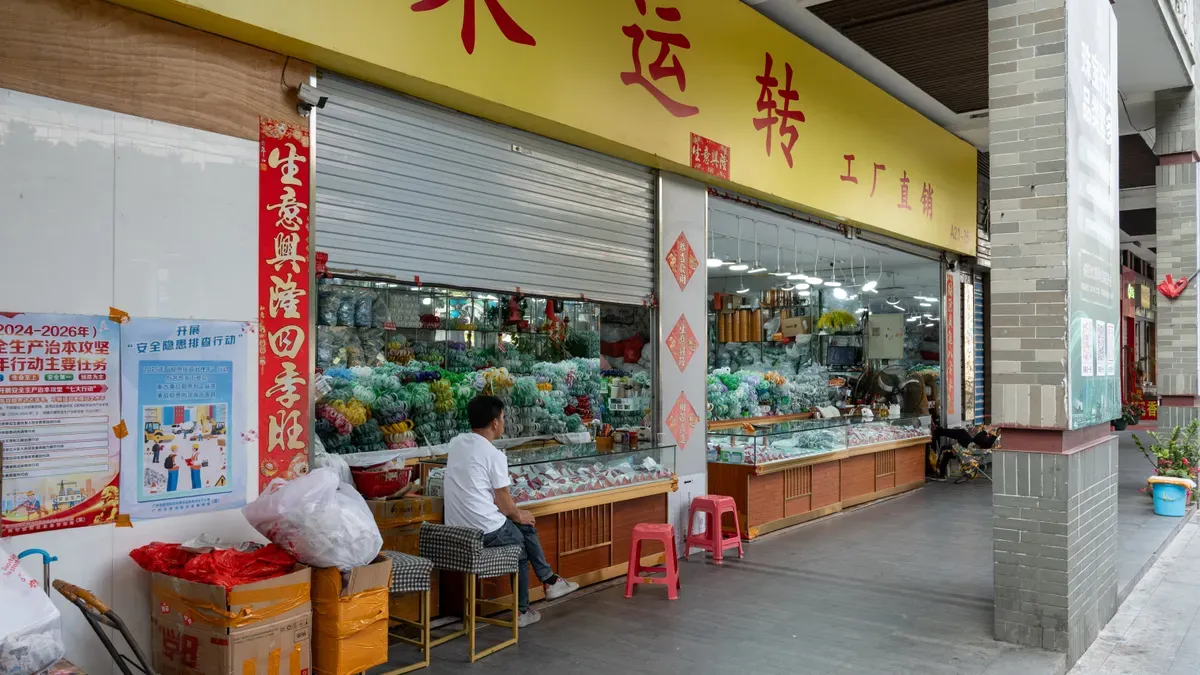
Guangzhou Jingying Jewelry is based in Guangzhou, a city in southern China. The city has many jewelry factories, tooling shops, and platers close together. This location gives the company short supply lines for metal, findings, and finishing services. Buyers who want a supplier inside a mature manufacturing hub fit this profile well.
The company profile for Guangzhou Jingying Jewelry Co., Ltd reports total yearly sales of USD 50,000 ~ 100,000. That range points to a smaller operation. Buyers should read it as a sign of scale, not as a quality score. A small factory often handles custom work with closer attention than a large plant.
The catalog covers brooches, necklaces, earrings, rings, and pendants. A buyer can order a floral brooch for a gift line. They can pair it with a matching necklace for the same collection. The company also takes small trial runs, so brands can test a theme before committing to volume.
Jingying applies enamel by hand across its chinese enameled silver lines. Craftsmen fill each cell, fire the piece, and polish the surface in stages. This method supports detailed patterns on enameled silver. Buyers should request a sample batch of several pieces, because handwork varies more than machine output. That step confirms color depth and surface smoothness before a full run.
Customization runs through OEM and ODM channels. Buyers can send sketches or reference samples, and the team develops them into production-ready styles. The base metal is sterling silver, and the factory checks surface quality before packing.
Cost depends on design complexity, metal weight, and order size. The company quotes minimum order quantities per style rather than publishing one fixed number. Buyers should confirm pricing tiers during sampling. That step keeps the jewelry budget tied to the actual specification.
Shenzhen Xujia Jewelry Design puts design work first. The company is based in Shenzhen, a city known for product development talent and fast prototyping services. Its team builds original concepts before production begins, so buyers get a finished look rather than a copy of an existing mold. Brands that want a distinct identity in their assortment fit this profile well.
The catalog covers brooches, necklaces, earrings, rings, and pendants. A buyer can order a sculptural brooch as the centerpiece of a capsule line. A matching necklace carries the same motif at a smaller scale. The studio also takes small trial runs, which lets a brand test a concept with real customers before committing to volume.
Xujia treats enamel as part of the design language. The team plans color placement at the sketch stage, then applies chinese enameled silver in controlled layers. Craftsmen polish each piece after firing, and the base metal is sterling silver. Buyers should request a sample batch of several pieces, because design-led work varies more than repeat production. That step confirms color depth and surface smoothness before a full run.
Customization is the core service here. Buyers can send sketches, mood boards, or reference samples, and the team develops them into production-ready enameled silver styles. The studio supports OEM and ODM channels, so a brand can own the design or adapt a house style. Cost depends on design complexity, metal weight, and order size. The company quotes minimum order quantities per style, so buyers should confirm pricing tiers during sampling. That step keeps the silver jewelry budget tied to the actual specification.
Manufacturer | Specialty | Product Range | Enamel Type | Silver Purity | Customization | Certifications | MOQ | Pricing Tier |
|---|---|---|---|---|---|---|---|---|
Trend-driven scalable collections | Brooches, necklaces, rings, earrings, pendants | Cloisonné and enameled finishes | Sterling (925) | OEM/ODM | SMETA, RCS, Technical Evaluation | Quoted per style | Mid to high | |
Chic Zone | High-fashion design | Brooches, necklaces, earrings, rings | Color-blocked, sculptural | Sterling (925) | Design collaboration, OEM | Confirm during sampling | Quoted per style | Mid to high |
SoulSilver (LaoYinJiang) | Artisanal handcraft | Brooches, pendants, necklaces | Hand-filled cloisonné | Sterling (925) | Direct design dialogue | Confirm during sampling | Modest for custom work | High (labor-driven) |
Jinyi Jewelry | Full-category production | Brooches, necklaces, rings, earrings, pendants | Multi-color enamel | Sterling (925) | OEM/ODM | Confirm during sampling | Quoted per style | Mid |
Xuping Jewelry | High-volume output | Brooches, necklaces, earrings, rings, pendants | Batch production-line | Sterling (925) | OEM mold changes | Confirm during sampling | Quoted per style | Low at volume |
Jusnova Jewelry | OEM/ODM flexibility | Brooches, necklaces, earrings, rings, pendants | Controlled color mixing | Sterling (925) | Sketches, CAD, samples | Confirm during sampling | Quoted per style | Mid |
Joacii Jewelry | Fine silver focus | Brooches, necklaces, rings, earrings, pendants | Enamel accents with stones | Sterling (925) | OEM/ODM | Confirm during sampling | Quoted per style | Mid to high |
YIBI Jewelry | Matched sets | Brooches, necklaces, earrings, pendants | Batch-matched color | Sterling (925) | OEM/ODM, theme briefs | Confirm during sampling | Quoted per style | Mid |
Zhefan Jewelry | Export-oriented production | Brooches, necklaces, earrings, rings, pendants | Export-standard finish | Sterling (925) | OEM/ODM, packaging | Confirm during sampling | Quoted per style | Mid |
Guangzhou Jingying Jewelry | South China hub | Brooches, necklaces, earrings, rings, pendants | Hand-filled detail | Sterling (925) | OEM/ODM | Confirm during sampling | Quoted per style | Mid |
Shenzhen Xujia Jewelry Design | Design-led studio | Brooches, necklaces, earrings, rings, pendants | Design-planned color | Sterling (925) | Sketches, mood boards | Confirm during sampling | Quoted per style | Mid to high |
The table lets you quickly compare each china silver enamel brooch and necklace maker. Read across a row to see one supplier's full profile. Read down a column to compare one trait across all ten makers. The specialty column shows where each factory fits best. The pricing tier column shows relative position, not a fixed quote.
Treat every cell as an approximate range. The profiles above confirm sterling silver as the base metal for all ten suppliers. Certification rows list only documents named in public sourcing information. Buyers should confirm marks, MOQ terms, and pricing tiers during sampling before they commit to an order.
A buyer who turns over a chinese enameled silver piece will usually find small stamps on the back or the clasp. The most common purity stamp reads 925, which signals sterling silver at 92.5 percent purity. Many pieces also carry the word "sterling" or "S925" beside it. These marks help a buyer confirm the metal before any testing begins.
Workshop stamps vary widely. Some factories punch a shop name in western letters, while others use a Chinese character mark or a small logo. A few add an export code or a date letter. On a sterling brooch, the mark often sits on the pin catch. On a sterling necklace, it usually appears on the clasp tag or the chain end. Buyers should photograph every mark and keep the image with the sample record.
Marks tie a finished piece to the workshop that made the piece. That link matters when a buyer orders from several suppliers and needs to trace a batch. A clear mark lets the buyer match the item to the invoice, the sample, and the certification file. A missing or blurred mark raises a question about origin.
Marks also support purity claims. A stamp alone does not prove the metal, so buyers should pair the mark with XRF testing on a sample. The two checks together give a reliable answer. Buyers should also compare marks across a batch. Consistent marks point to a stable workshop that made the piece, while mixed or absent marks suggest the order passed through several hands. That pattern deserves a closer look before the buyer commits to volume.
Design complexity should shape your shortlist first. A sculptural brooch with multi-color enamel needs a workshop with strong design and handwork skills. A simple silver pendant program needs steady repeat production instead. Buyers should match the piece to the factory's proven strength, not to its general reputation.
Order volume narrows the list further. High-volume factories reward large runs with lower unit prices. Small studios handle modest custom runs with closer attention per piece. A buyer testing a new theme can start with a trial run of roughly 100–300 pieces, then scale with the same supplier once the design sells.
Budget planning should start with an itemized quote. Buyers should ask for metal, labor, and plating costs listed separately. That breakdown shows where the money goes and makes supplier quotes comparable. A low unit price with hidden tooling fees rarely stays low.
Compliance and sampling close the loop. Buyers should collect certification documents, then check them against the supplier's name. A sampling checklist keeps the review consistent:
Ask for a sample batch of 5–10 pieces, not just one sample.
Confirm the 925 stamp and photograph every mark on the piece.
Check that enamel color stays the same across the batch.
Test clasp and pin security on each sample.
Compare quoted MOQ and lead time against the launch date.
A sterling necklace and a matching brooch should pass the same checks. Buyers who verify marks, documents, and samples before committing protect both their budget and their brand.
The ten suppliers each have different strengths. Some are best at trend-driven scalability, high-fashion design, artisanal craft, high-volume enameled silver, or design-led silver jewelry. The right china silver enamel brooch and necklace maker depends on design complexity, order size, and budget.
Buyers should pick two or three candidates for a shortlist. They can ask for samples, check marks and certification documents, and compare quoted MOQs and lead times with their own needs. A brooch and a necklace from the same batch should pass the same checks.
For 2026, sourcing decisions should weigh customization flexibility and documented compliance along with price. A maker with clear enamel standards and verifiable silver records protects both budget and brand.
Reputable factories use sterling silver, stamped 925 for 92.5 percent purity. A stamp alone does not prove the metal. Buyers should pair the stamp with XRF testing on a sample piece. This two-step check gives a reliable answer before any volume order.
Buyers should ask for a batch of 5–10 pieces, not a single sample. A batch shows whether the factory holds the same standard across a run. Reviewers can then compare color, surface finish, and clasp security piece by piece.
Yes. Several workshops in this guide take modest custom runs, and a trial of roughly 100–300 pieces suits a new theme. Buyers should confirm the minimum order quantity per style during sampling. They can then scale with the same supplier once a design sells.
Marks tie a piece to the workshop that made it. A clear mark lets a buyer match the item to the invoice, the sample, and the certification file. Buyers should photograph every mark and keep the image with the sample record.
Both pieces should pass the same checks. Confirm the 925 stamp, compare enamel color across the pair, and test clasp and pin security. Buyers should also verify that quoted MOQs and lead times fit the launch date before committing.

 EN
 English
 Italian
 Spanish
 Ukrainian
 Japanese
 Norwegian
 Portuguese
 Korean
 Russian
 French
 Danish
 German
 Arabic
 Back to List