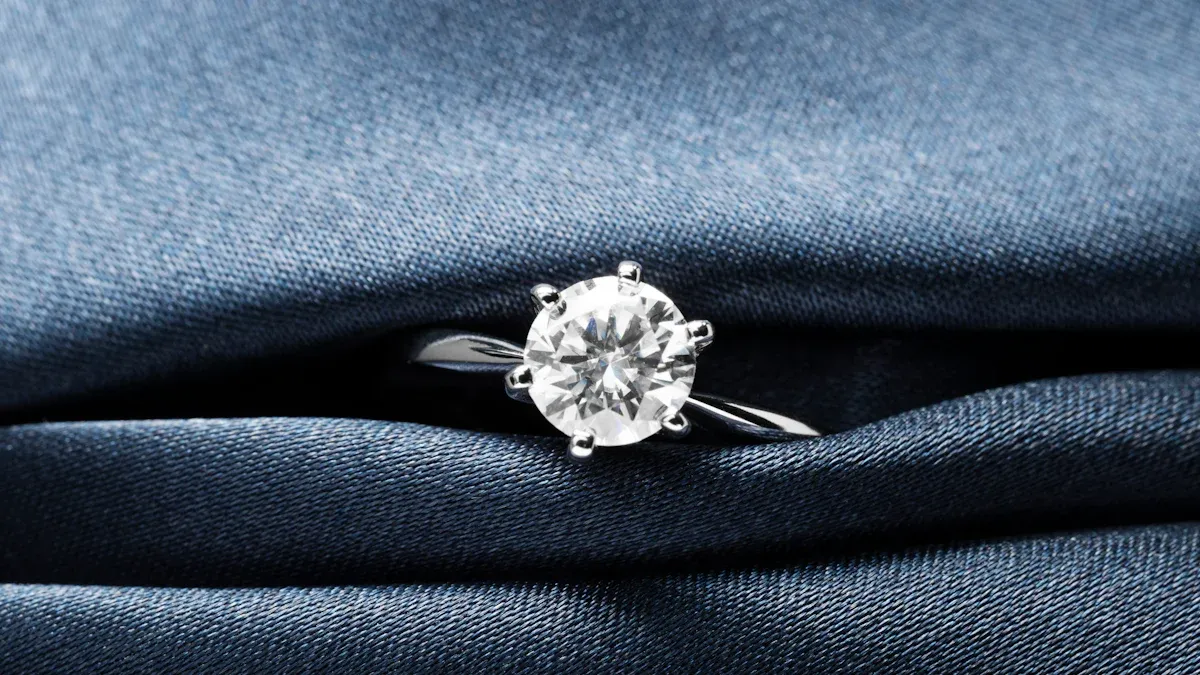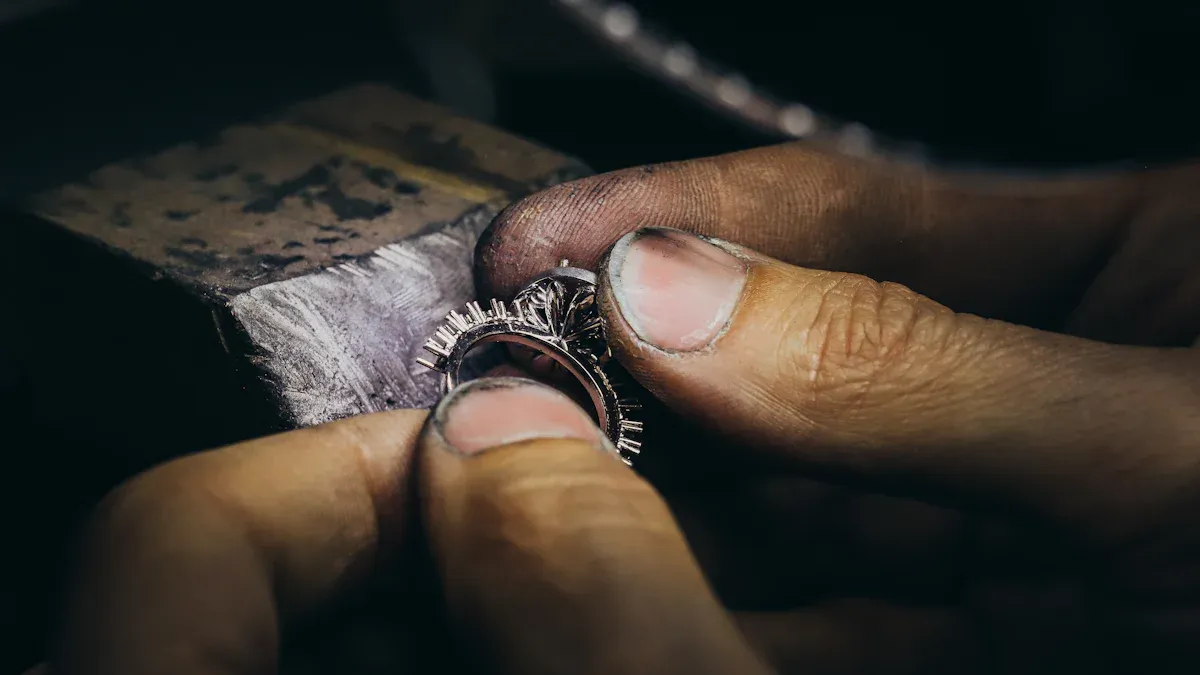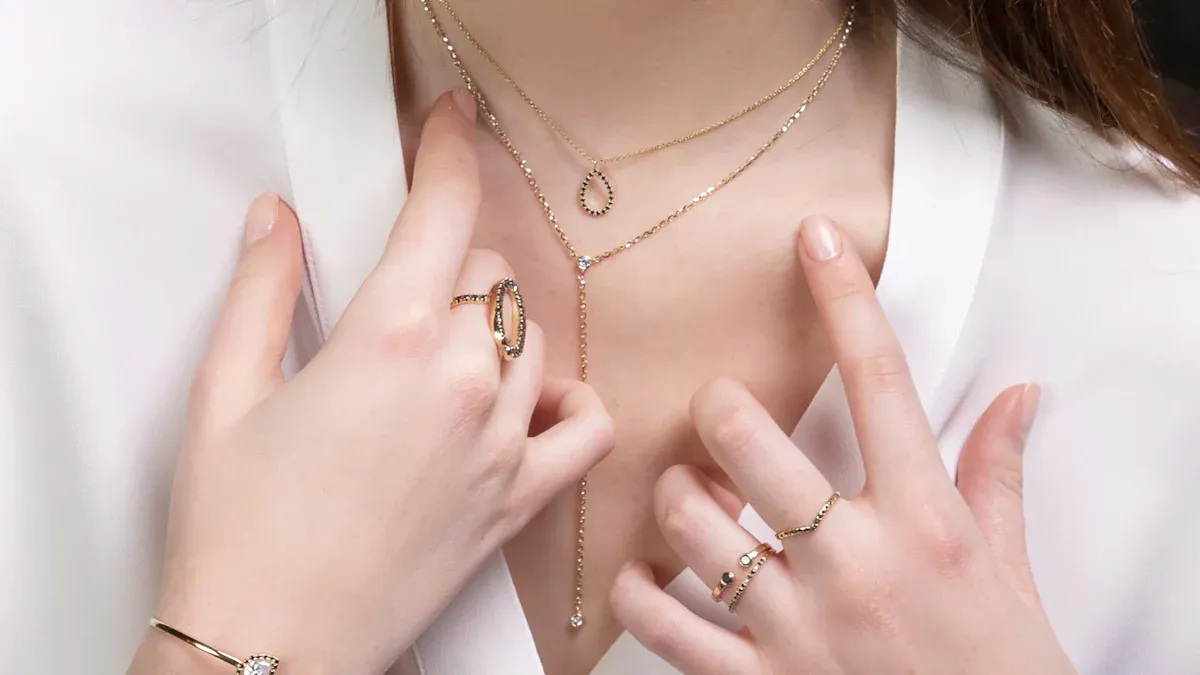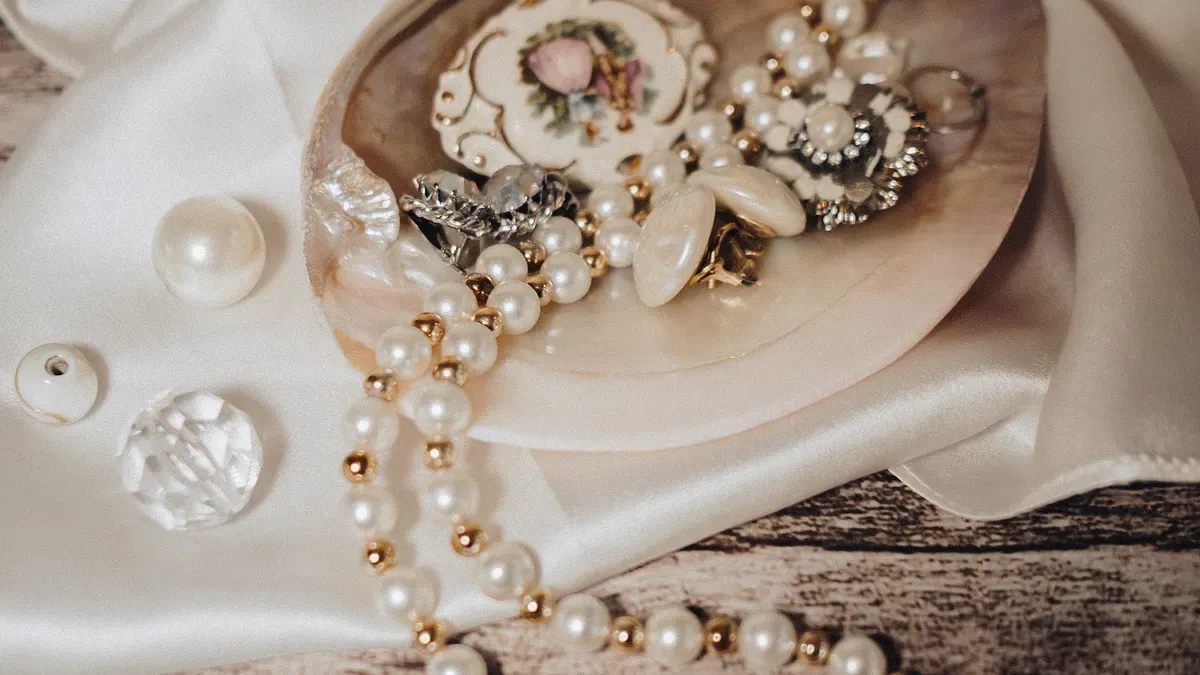
You can buy real handmade mother-of-pearl jewelry from China without being tricked. The key is easy: check the shell, make sure it is handcrafted, pick a trusted seller, and begin with a small order you can protect.
Handmade mother-of-pearl jewelry uses natural shell lining that artists cut, shape, and finish by hand. It is not plastic, resin, or shell stamped by a machine. Real pieces show soft color changes and small differences on the surface.
Before you start buying pearl jewelry, know that a reliable china handmade mop jewelry designer will happily share photos, videos, and details about how the pieces are made. This openness keeps you safe. Handmade pearl jewelry takes time to make, so patient sellers often give you the best quality.
Start small, check everything, and have fun with the process.
Real mother of pearl feels cool, shows uneven lines, and shifts color under light.
Handmade pieces have small flaws and smooth edges, unlike perfect machine-made items.
Trustworthy sellers share photos, videos, and answer all your questions openly.
Start with a small order and pay with a protected method like escrow or a marketplace.
Care for your jewelry gently: store it in a soft pouch and clean it with a dry cloth.
China has a long history of carving shells. Artisans have shared these skills with their children and grandchildren for many years. Because of this tradition, you can find makers who really understand natural shell material. They know how to cut, shape, and polish it without hurting the thin layers. This skill shows up in the jewelry you receive.
Chinese workshops often hire craftspeople who learned their trade from family members. These artisans work with care and focus. They look at each piece of shell closely, checking its thickness and natural color before cutting. This careful work creates jewelry that machines cannot match.
You also get an advantage from China's direct access to raw shell material. Since the country gets shell locally, makers avoid high import costs. This keeps prices lower for buyers like you. Travelers often shop for shell jewelry in cities such as Beijing and Shanghai. But most beginners now buy online through marketplaces, manufacturer websites, or live-selling apps. These options give you direct access to the same skilled workshops.
Buying from the source means you pay less than you would through middlemen. During past market visits, simple shell jewelry sets in Beijing sold for around $15 to $20. This price range shows the benefit of buying directly. You can expect fair pricing when you order straight from a Chinese maker.
China also offers a huge range of designs. You can find classic shell pendants, modern geometric earrings, and colorful inlay necklaces. Many workshops create custom pieces based on your sketches or ideas. This variety lets you choose jewelry that fits your personal style. You can even ask for unique color combinations or specific shapes. The design options feel almost endless when you work directly with skilled artisans.
The mix of craft tradition, fair pricing, and design flexibility makes China a smart choice for mother of pearl jewelry. You get quality, value, and variety all from one reliable source.
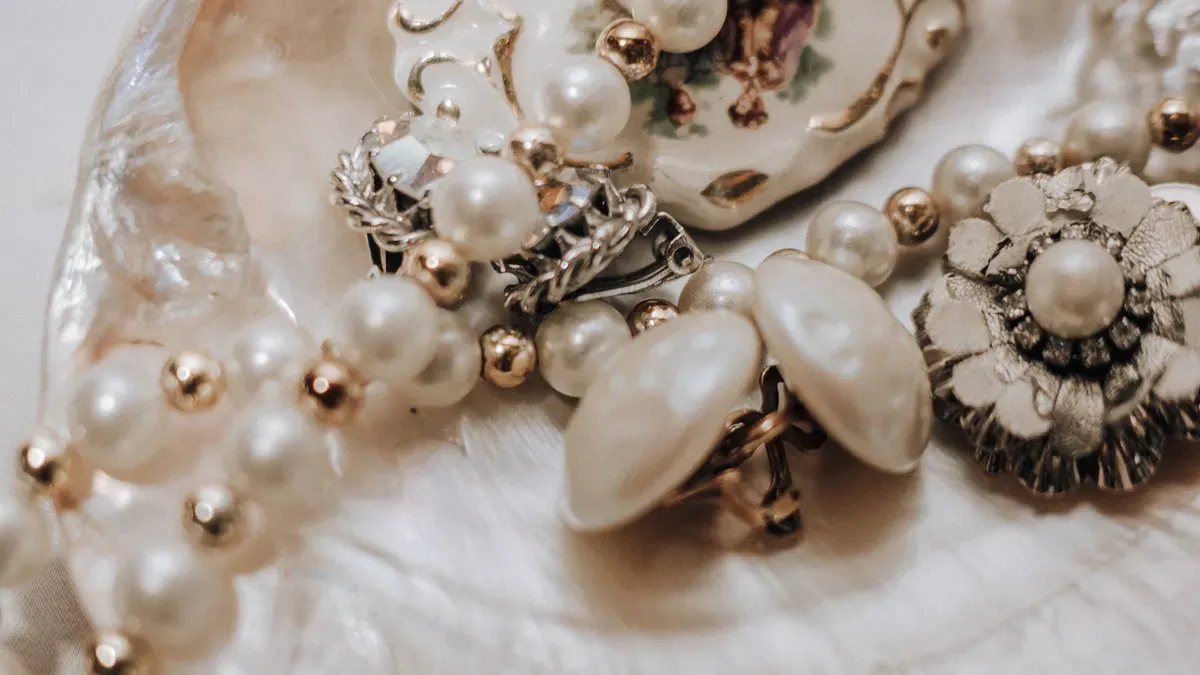
You don't need fancy tools or a gemologist's degree to tell real mother of pearl from plastic. Your eyes, your fingers, and a little patience are enough. Real nacre has a unique look and feel that fakes can't copy. Once you learn these simple checks, you can shop with confidence.
Start with your senses. Real mother of pearl feels cool when you first touch it. This happens because nacre conducts heat well, pulling warmth away from your skin. Plastic sits at room temperature right away and warms up quickly. This test works best in a cool room, so treat it as a helpful clue rather than a final answer.
Next, examine the surface closely. Use your phone's macro mode or a small jeweler's loupe. Genuine shell shows fine, irregular growth lines and tiny natural pits. These imperfections come from the shell's biological growth. A printed pattern, on the other hand, repeats itself in a regular, uniform texture. You will see the same lines over and over, like wallpaper.
Try the tilt test under a single light source. Hold the piece in your hand and rotate it slowly. Real nacre displays a continuous, flowing color shift that seems to glow from beneath the surface. This effect comes from light refracting through layered depth. Imitations sparkle at the surface with glitter or foil, and the shift looks flat and uniform across the whole item.
Finally, place two similar pieces side by side. Genuine shell pieces always differ in tone and pattern because biological growth cannot repeat itself. If two units match exactly, or if the item matches the product photo stroke for stroke, you are looking at an imitation. This comparative test is one of the most reliable checks you can perform.
Material | Initial Touch Sensation | Heat Conductivity | Warming Behavior |
|---|---|---|---|
Real mother-of-pearl (nacre) | Cold to the touch | Good conductor of heat | Gradually warms up on skin |
Plastic imitation | Room-temperature or warm immediately | Poor conductor (insulator) | Warms up very quickly |
Once you confirm the shell is real, look for signs of handwork. Handcrafted pieces carry small irregularities that machines cannot produce. Check the edges of the jewelry. A skilled artisan sands and polishes each edge until it feels smooth and even. You should not find rough spots or sharp corners. Run your finger along the border; it should glide without catching.
Look at the setting that holds the shell. Secure settings mean the artisan took time to fit the piece properly. The shell should sit firmly without wobbling. You may also notice tiny filing marks near the metal prongs or bezel. These marks show careful human work, not mass production.
Examine the overall shape of the piece. Handmade and one-of-a-kind items often have slight asymmetries. One earring might differ subtly from its pair. This is not a flaw; it is proof of human hands at work. Machine-stamped pieces look identical because a mold creates them.
The surface finish also tells a story. Real shell shows natural iridescence with soft color shifts across the surface. A thick nacre layer gives the piece depth and richness. When you hold it up to light, you see layers of color rather than a single flat tone. This luminous nacre quality separates fine jewelry from cheap imitations.
Pay attention to the overall quality of the piece. A genuine artisan checks each item before shipping. They remove excess glue, polish the metal, and ensure the shell sits flush. If you notice sloppy glue lines or uneven polish, the piece likely received little human care.
Remember that real shell requires no treatment to look beautiful. Its natural colors and patterns come from the ocean, not from dyes or coatings. If a seller claims their shell has been "enhanced" with special finishes, ask questions. Authentic mother of pearl jewelry relies on its natural beauty alone. This durability and timeless appeal make it a worthwhile investment for any jewelry collection.
You will often see the term "MOP" in product listings. This shorthand simply means mother of pearl. A reliable china handmade mop jewelry designer might run a retail brand, operate a small workshop, or work as a direct manufacturer-partner. Each type has its own strengths. Retail brands offer polished customer service. Small workshops provide personal attention. Manufacturer-partners give you access to wholesale pricing and custom production. Your choice depends on your budget and your goals.
Start your search on established marketplaces like Etsy, AliExpress, or Amazon Handmade. These platforms offer buyer protection programs. You can leave reviews and see ratings from previous customers. Search for "mother of pearl jewelry" and filter by location to find Chinese sellers. Look for shops with hundreds of sales and consistent positive feedback. A high review count shows that many buyers received their orders successfully.
You should also explore manufacturer websites directly. Many Chinese jewelry companies maintain professional sites with product catalogs and contact forms. These businesses often serve international clients. They can send you samples before you commit to a large order. Live-selling apps like TikTok Shop and Instagram Live also connect you with artisans in real time. You can watch them handle the shell and explain their process. This transparency helps you judge the quality before you pay.
Social media platforms offer another path. Search for hashtags like #motherpearljewelry or #shellcraft on Instagram and Pinterest. Many small workshops post their daily work there. You can message them directly and ask for custom pieces. These makers often share behind-the-scenes videos that show their tools and techniques. This content gives you a clear picture of their craftsmanship.
Once you find a potential seller, ask specific questions before you spend any money. Start with material questions. Ask whether the piece uses natural nacre or coated resin. Request a close-up video of the surface under direct light. Real shell shows organic color shifts. Imitations look flat and uniform. You should also ask about the shell's origin. Some sellers import shell from Australia or Indonesia. Others use local Chinese shell. Both options can produce beautiful jewelry, but you deserve to know where your material comes from.
Ask about the production process. A genuine china handmade mop jewelry designer will describe their cutting, shaping, and polishing steps. They might mention how long each piece takes to complete. Handcrafted items require more time than machine-stamped ones. If a seller promises instant delivery, they likely use molds or mass production. Real artisans need days to finish a single piece properly.
Request photos of the actual item you will receive. Stock photos only show what the design should look like. Ask for images of the specific piece with a handwritten note or a timestamp. This request filters out sellers who use stolen photos. You should also ask about their return policy and warranty. A confident maker stands behind their work. They will offer reasonable terms if something arrives damaged.
Look for proof of ethical practices. A trustworthy manufacturer holds certifications that verify their standards. For example, Perfect Jewelry, founded in 2002, has more than 20 years of experience. They hold SMETA, RCS, and Technical Evaluation certification. They also provide full insurance for their workers. These credentials show a commitment to responsible production. You can trust that your jewelry comes from a safe, fair workplace.
Finally, ask about minimum order quantities. Some workshops accept single-piece orders. Others require bulk purchases. Knowing this information early saves you time and frustration. A transparent seller answers every question openly. They share videos, production details, and pricing without hesitation. This openness marks a trusted seller. When you find one, you can move forward with confidence.
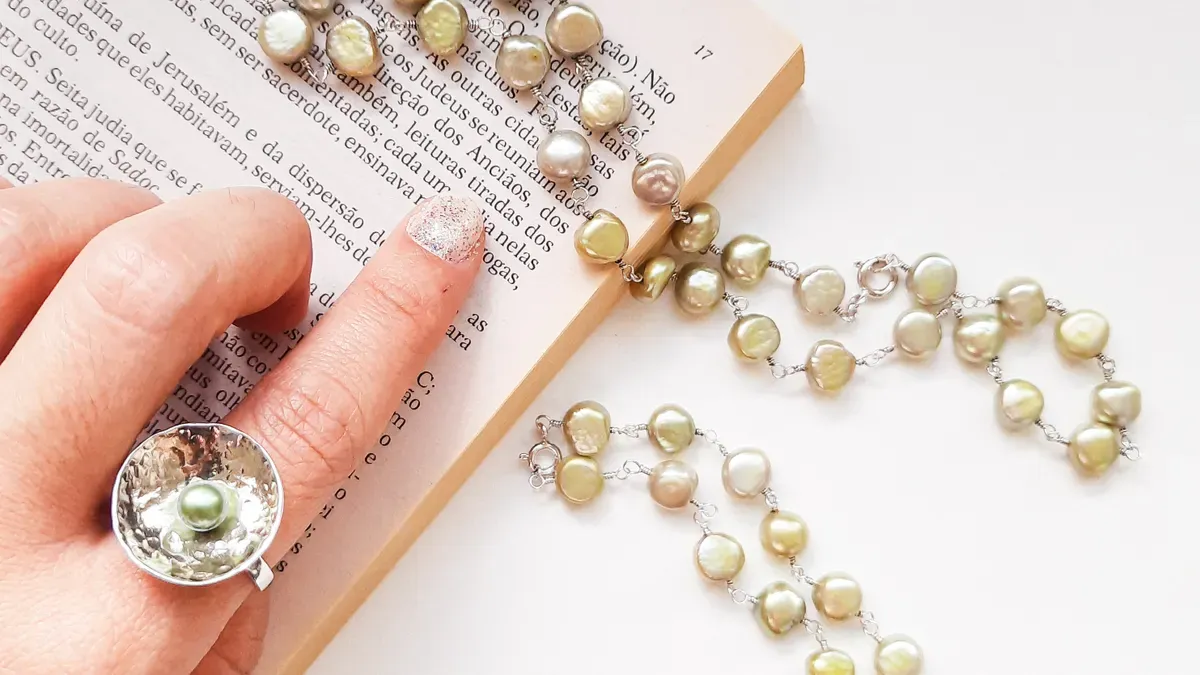
Simple mother of pearl pieces with little metal hardware stay affordable. A basic pair of stud earrings or a thin pendant might cost less than you think. Larger pieces with heavy hand-carving cost more. The price goes up with the amount of shell and the hours of labor.
You should compare several listings before you choose. Look at the thickness of the nacre and the border style. Thicker shell costs more because it lasts longer. A wide, polished border shows careful finishing work. These details affect the final price. The design complexity also matters. Intricate patterns need more skill and time.
Avoid unusually low prices. A $3 necklace with "real shell" likely uses plastic or coated resin. Quality materials cost money. The artisan needs fair pay for their time. Prices that seem too good usually hide problems. Buying directly from the source helps you get fair pricing without middlemen. Ask about any surface treatment claims. Some sellers coat shell with dyes or sealants. Natural nacre shines without help.
Your payment method determines your protection level. Bank wire transfers offer no buyer protection. The seller receives funds directly, and you have no recourse if problems arise. Letters of credit protect large orders but cost too much for small jewelry purchases. Trade assurance or escrow services hold your money until you confirm satisfaction. This option works best for typical small orders.
Payment Method | Buyer Protection Level | Key Mechanism |
|---|---|---|
Bank wire transfer | None | Funds released directly; relies on supplier verification |
Letter of credit | Strong (for large orders) | Bank releases funds only against shipping documents |
Trade assurance / escrow | Strong (marketplace-backed) | Funds held until buyer confirms satisfaction |
Shipping documents prevent customs delays. Poor paperwork causes holds, unexpected fees, and package returns. Prepare these documents before shipment:
Commercial invoice with accurate product descriptions
Packing list
Bill of lading or airway bill
Certificate of origin (if applicable)
Material declaration
Declared value matters too. Under-declaring shipment value triggers inspection. Accurate declared value and metal content prevent customs holds. Use correct HS codes to avoid misclassification and higher duties. Consider hiring a licensed customs broker for large orders.
Ask who pays customs duties before the package ships. Some sellers include duties in the price. Others expect you to pay upon delivery. Clear communication prevents surprises. Trackable shipping gives you peace of mind. Choose a carrier that provides tracking numbers. You can monitor your package from the workshop to your door. This jewelry arrives safely when you follow these steps.
You can spot most scams before you pay. The first clue appears in the photos. A seller who only shows stock images may not have the actual piece. Ask for a live video or a custom photo with your name written on paper. A genuine artisan will gladly comply. A scammer will make excuses or disappear.
Prices tell their own story. A massive discount of 80 to 90 percent on pearl jewelry signals trouble. Genuine shell has real value. Legitimate discounts usually range from 20 to 40 percent. Anything beyond that means the product likely uses plastic or resin. Trust your instincts when a deal feels too good.
Vague material claims also raise red flags. Terms like "pearl-like beads" or "simulated pearls" mean the item is not genuine mother of pearl. The FTC Jewelry Guide requires clear qualifiers. A listing that says "Mother of Pearl" without words like "artificial" or "imitation" misleads you. The same rule applies to "Chinese Pearls" without "cultured" or "imitation" in front. These rules protect you from deceptive marketing.
Regulatory Rule | Key Warning Sign |
|---|---|
FTC Jewelry Guide (d) | "Mother of Pearl" without "artificial," "imitation," or "simulated" is deceptive |
FTC Jewelry Guide (k) | "Chinese Pearls" without "cultured" or "imitation" is deceptive |
Chat messages reveal more clues. A seller who pressures you to pay outside the platform wants to avoid buyer protection. Direct bank transfers offer no recourse if your order never arrives. A legitimate vendor will accept escrow services or marketplace payments. They will also answer questions about shell thickness and border style without hesitation.
Start with a small test order. Buy one pair of earrings or a simple pendant before committing to a large jewelry purchase. This approach limits your risk. You can inspect the quality, check the craftsmanship, and decide whether to continue with the same seller.
Real handmade production takes time. A skilled artisan needs days to cut, shape, and polish each piece. Instant delivery promises should raise suspicion. No one can handcraft quality jewelry overnight. Patience protects you from rushed, low-quality work.
Keep records of every conversation. Save screenshots of listings, chat messages, and payment confirmations. These documents help you file a claim if something goes wrong. A trustworthy seller will cooperate fully. They understand that transparency builds long-term relationships.
Remember that your payment method determines your safety. Use platforms with buyer protection programs. Never send money through wire transfers or cryptocurrency. These methods offer no way to recover your funds. A reliable seller will never ask you to bypass standard payment channels.
Your handmade mother of pearl pieces need simple but steady care. The nacre layers that make that lovely shine are fragile. Good care keeps them glowing for years.
Keep each piece alone in a soft, breathable cloth pouch. Cotton or silk pouches work best. One pouch per piece stops scratches from other jewelry. A jewelry box with fabric-lined sections also works well. Pick neutral linings like cream or light gray. Dark dyed velvet can bleed color in damp weather.
Skip plastic bags for storage. They hold in moisture and can harm the shell surface. Keep your mother of pearl items away from harder gems. Diamonds or sapphires can scratch the soft nacre easily.
When wearing daily, put on perfume, hairspray, and lotion before your jewelry. These products have acids that eat into the shell surface. Long direct sunlight also fades the natural colors. Take off your pieces before swimming, cleaning, or working out. This easy habit makes your jewelry last much longer.
After each wear, wipe your jewelry with a soft, lint-free cloth. Microfiber or chamois works great. This clears off surface oils and dirt before they build up.
For tough spots, follow these steps:
Lightly wet a cloth with lukewarm distilled water.
Add one tiny drop of mild soap with neutral pH, like baby shampoo.
Gently pat the spot without rubbing.
Dry right away with a clean cloth. Never soak the piece.
The Gemological Institute of America (GIA) clearly says never to use ultrasonic cleaners on pearls. Tiffany & Co. and Mikimoto agree with this warning. Even one ultrasonic cycle can forever lower a pearl's value and beauty.
Many common household products cause lasting harm to mother of pearl:
Ammonia strips the nacre's protective layer, causing dullness and surface wear.
Alcohol and strong detergents dry out the shell, leading to cracks and lost shine.
Chlorine-based chemicals weaken both the shell and any stringing material.
Vinegar, toothpaste, and baking soda are too rough or acidic for the surface.
Commercial jewelry cleaners, even those labeled "safe for all jewelry," can damage pearls.
Your unique handmade pieces deserve this gentle care. With proper attention, your mother of pearl necklaces and earrings will stay beautiful for decades. The small effort you put into cleaning and storage pays off with lasting shine.
You now have every tool you need. This checklist turns everything from this guide into one simple process. Follow it for every order, and you will buy with confidence.
Work through these checks before you send any money:
Confirm the shell is real. Ask for a close-up video under direct light. Real nacre shows organic color shifts. Imitations look flat and uniform.
Verify the handcrafted quality. Look for slight irregularities, smooth sanded edges, and secure settings. These signs prove human hands made the piece.
Check the seller's credibility. A trusted seller shares photos, videos, and production details without hesitation. Look for certifications like SMETA or RCS.
Approve the design in writing. Define acceptable luster, shape, size, and color variation. Request pre-production samples or an approved reference piece before production starts.
Review commercial terms clearly. Confirm quantity, unit price, payment terms, production lead time, and quotation validity. Write these details in your purchase order.
Specify delivery requirements. State protective packaging, shipping method, tracking, insurance, customs documents, and who pays duties and taxes.
Establish aftercare expectations. Agree on care instructions, a damage reporting window, and repair consultation availability before you pay.
Use protected payment methods. Choose escrow services or marketplace payments. Never send wire transfers or cryptocurrency.
Once your package lands at your door, follow these steps:
Confirm the material description. Check the label or documents for terms like "mother of pearl inlay" or "nacre." If the description only says "shell-look," the piece is not genuine.
Inspect craftsmanship under direct light. Examine the inlay lines and gaps. Look for clean, even joints and a smooth polished surface. No glue blobs or rough edges should exist.
Verify dimensions and weight. Compare the actual measurements to the listing. A significantly lighter piece suggests different materials than shown.
Check hardware and finish. Open and close clasps or hinges. They should move cleanly and sit flush. Run your finger over the surface to catch any sharp edges.
Review packaging and damage policy. Confirm the packaging protected the piece during transit. Contact the seller immediately if anything looks wrong.
Begin gentle care. Store your jewelry in a soft pouch. Wipe it with a dry cloth after each wear. Keep it away from perfume, chemicals, and direct sunlight.
This checklist protects your purchase at every step. The quality of your jewelry depends on your attention. A trusted seller welcomes your questions and supports your careful approach. You can now shop for handmade mother of pearl jewelry from China with real confidence.
You now have a simple checklist for every purchase. Confirm the shell is real nacre. Verify the handmade craftsmanship through small irregularities and smooth edges. Choose a trustworthy Chinese designer who shares photos and videos without hesitation. Pay through protected methods only. Understand shipping and customs terms before you order. Care for your jewelry gently once it arrives.
Buying mother of pearl pieces from China becomes a rewarding experience when you know what to check. Each step protects your money and your piece. Start small, ask questions, and enjoy the process. Your patience leads to beautiful, lasting items that reflect genuine skill. The effort you put into checking each detail pays off with treasures you will keep for years.
Press the piece against your cheek. Real nacre feels cool when you first touch it. Look at the surface under bright light. Real shell shows uneven growth lines and gentle color shifts. Plastic fakes look flat with patterns that repeat. These easy checks show you the truth fast.
You can wear them often, but stay away from harsh conditions. Take off your necklaces before swimming, cleaning, or putting on perfume. Keep each piece alone in a soft pouch. Wipe the surface with a dry cloth after each wear. This habit keeps the shell lovely for many years.
Most Chinese workshops get shell from Australia, Indonesia, or local coastal areas. Ask your seller where the shell comes from before you order. A clear designer will share this information openly. Knowing the source helps you understand the material's quality and natural color differences.
Natural nacre needs no chemical treatment to shine. Some sellers add coatings or dyes, but real pieces rely on natural beauty. Ask your seller about any surface treatment before buying. Untreated shell gives the best durability and most genuine look.
Contact the seller right away with clear photos of the damage. A reliable designer will offer a replacement or refund. Keep your packaging and paperwork until the issue is fixed. Report problems within the agreed damage window to protect your purchase.


 EN
EN
 English
  Italian
  Spanish
  Ukrainian
  Japanese
  Norwegian
  Portuguese
  Korean
  Russian
  French
  Danish
  German
  Arabic
  Back to List