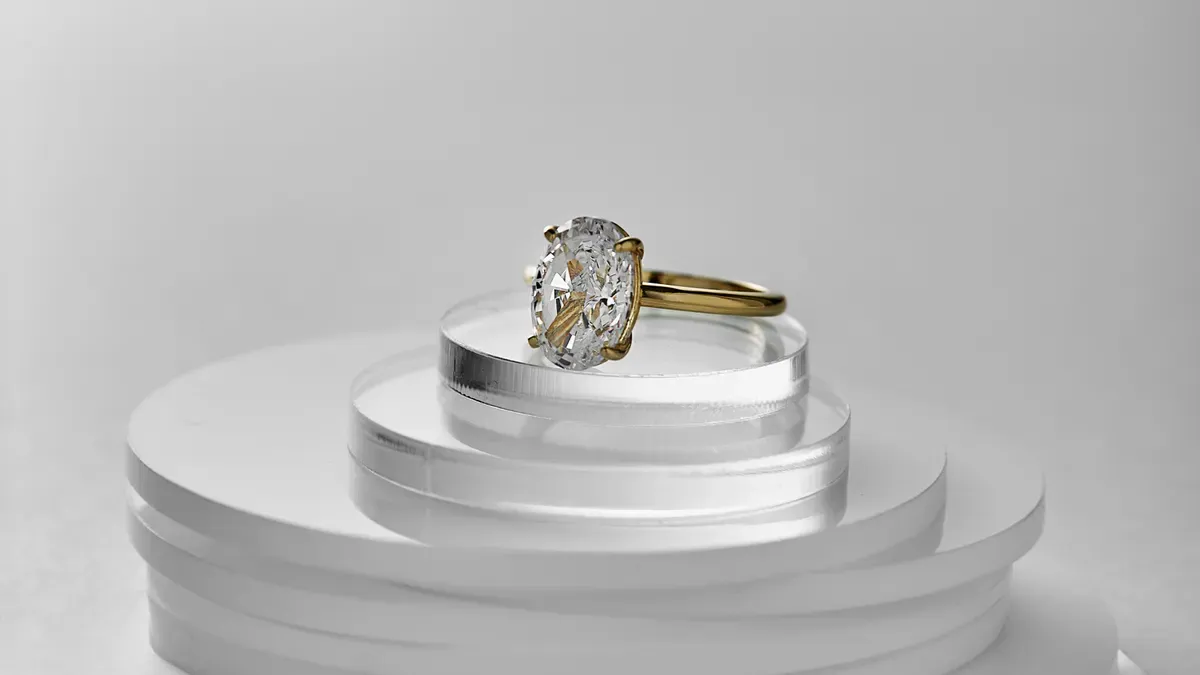
You worry about losing money to an unreliable supplier. That fear is valid. Finding a reliable manufacturer for custom silver rings takes careful research. Look for proven experience in 925 sterling silver, clear pricing, strong communication, and solid quality-control steps. These signs separate trustworthy partners from costly mistakes. This guide walks you through factory selection, design talks, production expectations, and shipping logistics. You will learn how to check credentials, set specifications, and watch quality. Focus on real steps, not broad industry talk. Your custom sterling silver CZ ring project deserves a partner who values reliability. China sterling silver CZ ring design and production needs close attention to detail. Choose manufacturers who show consistency at every step. Protect your investment by asking the right questions early. Move forward with confidence when you see clarity around MOQ, pricing, and inspection.
Before you commit, check that the factory knows how to work with silver and has the right papers or licenses.
Make sure every design detail is clear and approved in a sample before you start mass production.
Use quality checks and outside inspectors to keep your order safe.
Plan your shipping terms and customs paperwork early so you can avoid delays.
Begin with a small test order to build trust with a new supplier.
Your search for a reliable partner starts with experience. You need a factory that focuses on 925 sterling silver CZ rings, not just any jewelry. Silver acts differently than gold or brass when casting and finishing. A manufacturer who works with silver daily knows its special traits. They understand how to stop porosity, control oxidation, and get a smooth polish.
Panyu, Guangzhou is a well-known sourcing hub for silver jewelry. Many skilled workshops operate in this area. You can find them through verified directories or sourcing agents. These tools help you build a solid shortlist. A random online search may lead you to trading companies that pretend to be factories.
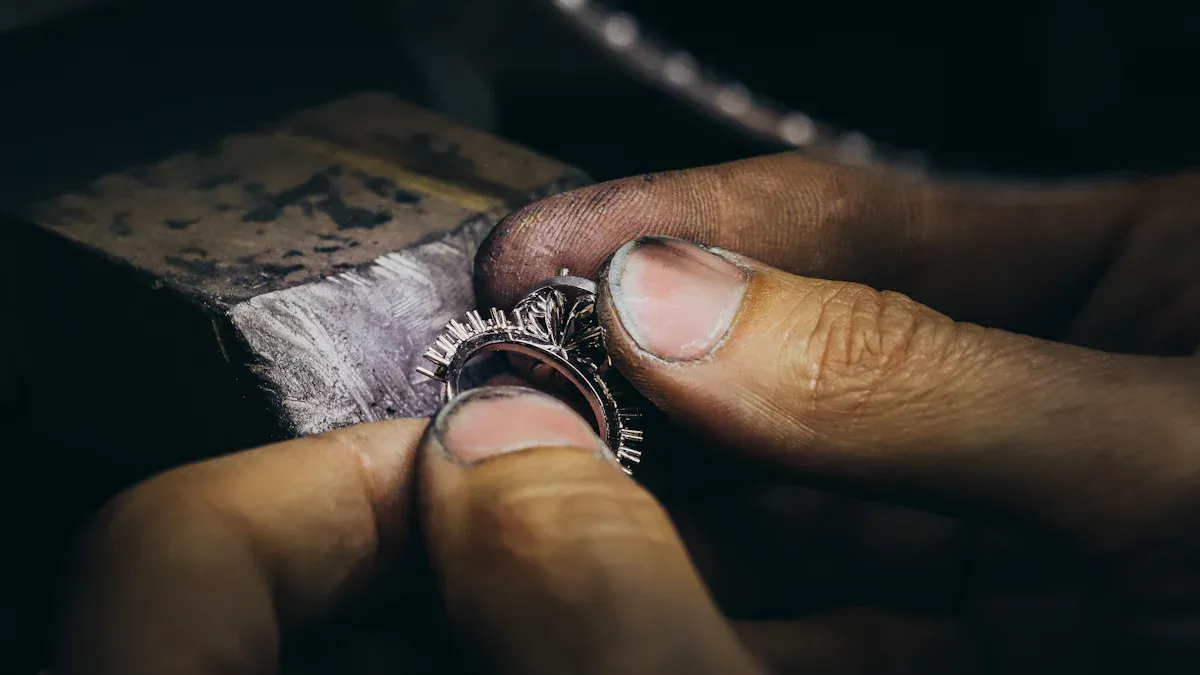
You should check if a supplier owns production facilities. Ask for photos or videos of their workshop. Make sure they have in-house design and mold-making skills. Trading companies often add extra costs and reduce transparency. They hide the real production process from you. A genuine chinese jewelry factory will gladly show you their operations. Many chinese jewelry manufacturers in this region welcome factory visits. When comparing jewelry factories in china, focus on their silver expertise first.
Look for manufacturers who show proven experience. Perfect Jewelry serves as a strong example. This company holds SMETA, RCS, and Technical Evaluation certifications. These credentials show ethical manufacturing and responsible sourcing. Their people-oriented approach includes full insurance for all workers.
Once you have a shortlist, dig deeper into each candidate. Check their certifications carefully. SMETA confirms fair labor practices. RCS verifies recycled content claims. Technical Evaluation assesses production capability. These certificates matter for your brand reputation. They also protect you from legal issues later.
Minimum order quantity flexibility is another key factor. Ask about their MOQ policy directly. Can you order samples first? Do they allow mixed designs in one order? Will they lower MOQ for repeat orders? Flexible MOQs help new brands test designs without huge inventory risk. A factory that demands massive minimums may not fit your needs. This flexibility shows their customization abilities for your custom ring design.
Quality control processes deserve close attention. A reliable manufacturer has structured inspections at multiple stages. They check raw materials for metal purity and gemstone quality. They watch production steps like casting, stone setting, and plating thickness. They do final checks on appearance, packaging, and quantity. Ask to see their inspection checklists. Request material certifications or testing reports for 925 sterling silver. The best jewelry factories in china will share these documents openly.
You should also evaluate their shipping support. Confirm their export procedures and delivery timelines. Ask about tracking availability for international orders. A factory with global distribution experience will handle customs smoothly. They will provide proper commercial invoices and certificates of origin. This level of support matters for your jewelry manufacturing success.
Read factory reviews from other buyers. Look for patterns in feedback. Consistent complaints about communication or quality should raise red flags. Positive reviews about reliability and craftsmanship build confidence. Compare your options using a simple table. Luxury artisan manufacturers target high-end brands with premium pricing. High-volume wholesale factories serve e-commerce sellers with competitive rates and low MOQs. Choose the type that matches your business model.
Your goal is to find the right jewelry factory for your specific needs. Take your time with this research phase. The effort you invest now prevents costly mistakes later. A trustworthy partner values transparency. They share information openly and answer questions honestly. Remember that silver jewellery manufacturers in china vary widely in quality. Do your homework before committing.
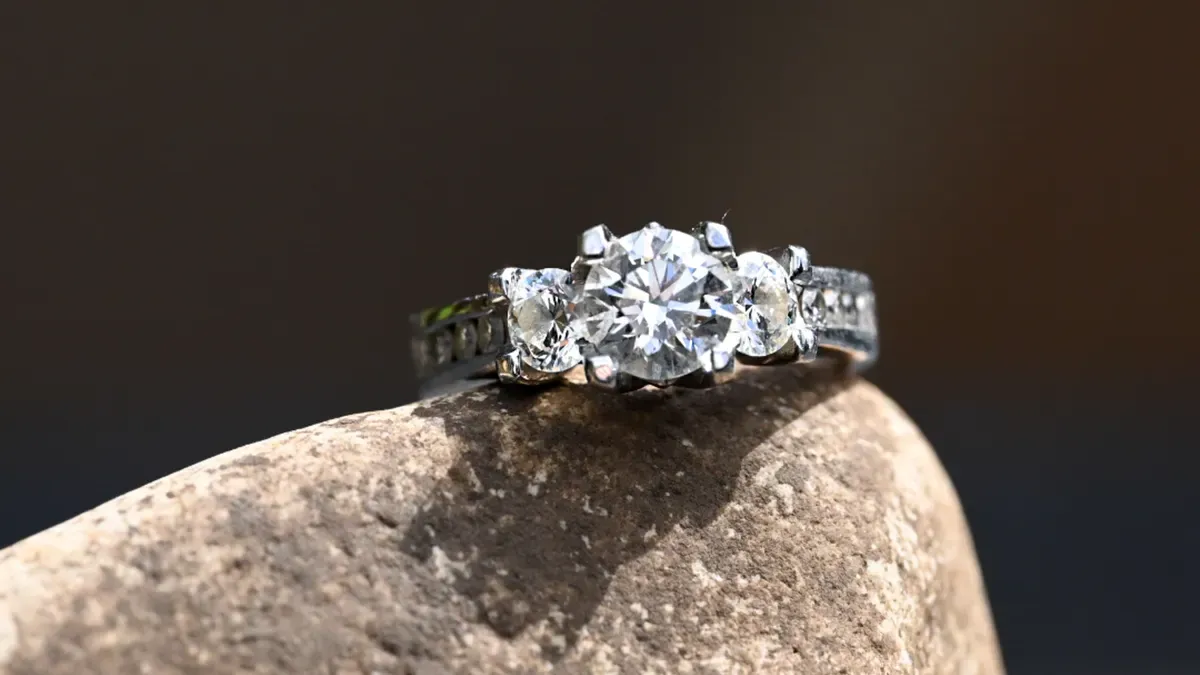
Clear details stop expensive errors. You need to set every part of the design before making starts. Begin with ring size, including inner width and band size. Tell them the CZ stone size, cut, and color. Pick the setting style, like prong, bezel, or pave. Describe the finish, such as high polish, matte, or sandblasted. State the plating need, like rhodium or 18k gold. Every choice changes the final look and price.
The quality of CZ stones matters a lot. Normal sizes and common colors make sampling easier. Special stones may need bigger minimums and longer wait times. Confirm the stone details with your factory early. This step stops delays during china sterling silver cz ring design and production. A good manufacturer will help you with these choices. They will ask about your market and price range. Their know-how helps you balance quality with cost.
Direct-to-casting works best for low-MOQ samples and test orders. This method lets you check your design before starting a full run. You can order a small batch to see the look and feel. This way lowers risk and builds trust. Many brands use this plan for their first custom jewelry line. It gives you real items to photograph and test with buyers.
Ask for CAD drawings before any metal is cut. These digital models show your ring from all sides. Check the size and details closely. Request material papers for 925 sterling silver. Ask for plating samples to see the exact color and shine. These steps make sure the factory gets your idea.
According to manufacturer documents, direct-to-casting samples can finish in 5-7 work days after CAD approval. This time depends on design difficulty, stone setting, plating, and finishing. Confirm this schedule with your factory before you begin. A written timeline protects both sides.
Your sample approval process should include several checks. Look at the surface finish for polish quality and plating evenness. Check the stone security by making sure each CZ sits tight in its setting. Confirm the size, logo details, quantity, and packing accuracy. A pre-shipment check makes sure the final goods match your approved sample. This full review stops surprises at delivery.
Remember that plating color must be set before sample making starts. Changing it later delays sampling and raises costs. The physical sample becomes your approval guide for bulk production. This sample before bulk production step is required. It protects your money and keeps consistency across your whole order.
The best chinese manufacturers value this team effort. They see customization as a partnership, not a sale. Your care during china sterling silver cz ring design and production pays off. You get rings that match your vision exactly. Your customers see the quality and skill. This level of care builds your brand name with every piece.
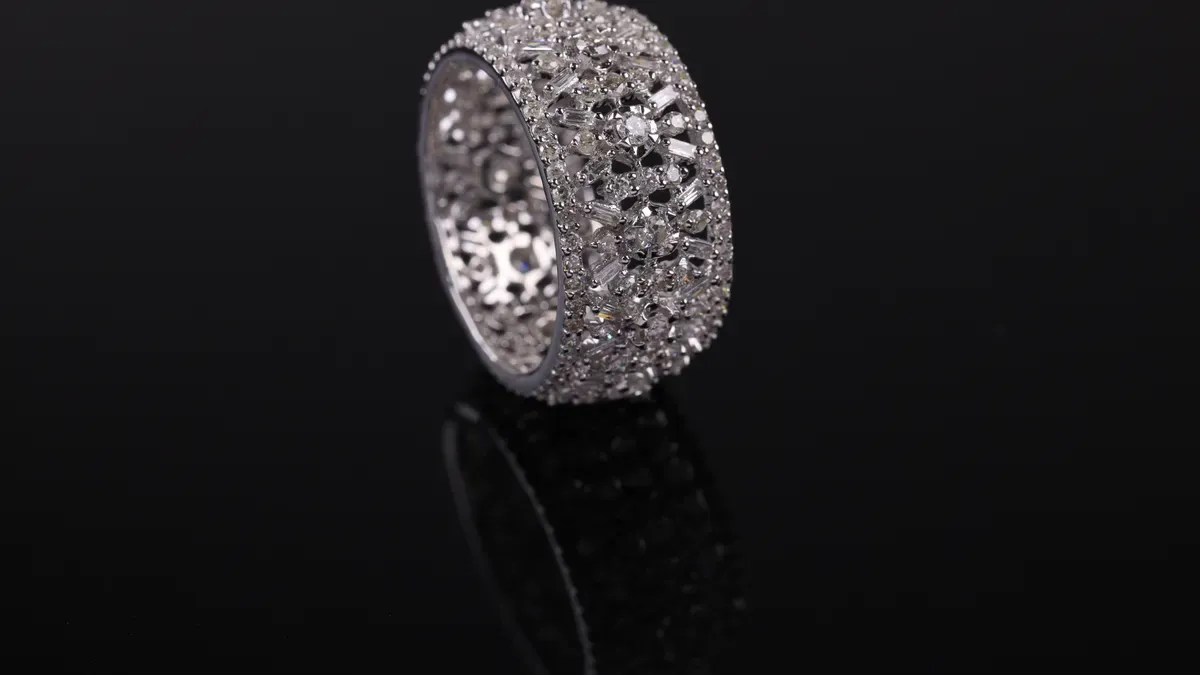
Quality control is what tells apart a good supplier from a risky one. You need a factory that lets you check their work at every step. A reliable partner will show you how they do things. They will give you papers that back up what they say. Your custom jewelry project depends on these checks. Without them, you might get rings that do not meet your standards.
Start by checking the basics. Ask the factory to confirm 925 sterling silver stamps on every piece. These stamps show the metal content matches what you asked for. Check the CZ stone quality too. Stones should be clear, cut well, and set firmly. A good manufacturer will offer third-party inspection at key production stages. This outside check protects both sides. The customization process needs clear talk from both parties.
Your buyer-side quality control check should follow a clear plan. Use the approved sample as your guide. Write down measurements, stone details, finish quality, and packaging results. Compare each piece against the sample you approved.
A structured project brief helps you stay organized. Define your company, market, product route, and categories clearly. List materials, quantities, and timing with named drawings. Put all specifications under one item code. This single source of truth stops confusion during production.
Version control matters more than you might think. Date every drawing, specification, and sample comment. Mark old files clearly. Confirm the approved version with your factory in writing.
Accurate material descriptions protect your brand. State "925 sterling silver" and "cubic zirconia" clearly. Avoid using natural stone or gemstone wording instead. This clarity prevents mix-ups about what you ordered.
Check quotation assumptions carefully. Verify metal type, dimensions, weight basis, CZ details, finish, logo, and packaging. Ask the supplier to point out any missing information. This review catches errors before production starts. Many factories in china welcome buyer visits during production.
Certifications like SMETA, RCS, and Technical Evaluation show ethical manufacturing. They show the factory cares about workers and the environment. But product-level testing still needs your own quality inspection. Factory certifications do not replace your checks. You must verify the actual goods meet your standards.
Watch for warning signs during production. A factory that will not share production videos raises suspicion. Vague answers about minimum order quantities should worry you. Inconsistent plating across batches signals poor process control. Missed communication milestones indicate disorganization.
Substandard cubic zirconia stones show specific signs. Look for dullness, uneven color, or visible flaws. Poor rhodium plating appears patchy or thin. Some batches may tarnish early. These problems show up in pre-production samples if you look closely.
Request samples and check material purity on your own. Third-party inspections confirm what the factory claims. Check for compliance certifications like CPSIA for U.S. imports or REACH for EU markets.
Start with small test orders before committing to large volumes. Build long-term relationships only after successful fulfillment. This approach limits your risk during the learning phase. A factory that delivers quality on small orders earns your trust.
Be wary of specific red flags. Refusal to provide references suggests hidden problems. Lack of sample availability means they may not have real production capacity. Unusually low pricing often hides quality compromises. Pressure to pay full upfront signals cash flow issues.
Common buyer complaints include inconsistent plating quality across batches. Some items show early tarnishing after delivery. Claims of specific material compositions sometimes lack independent proof. Communication failures after shipment delays lead to canceled orders.
Your production process needs clear milestones. Agree on reporting points for material preparation, sample approval, and production inspection. Confirm packaging readiness and shipment timing. These checkpoints keep you informed throughout the entire process. A chinese manufacturer who values quality will share their inspection protocols willingly.
A factory that values transparency will welcome your questions. They will share inspection reports without hesitation. They will explain their processes clearly. This openness builds confidence in your partnership. Your custom jewelry line depends on this trust.
Remember that strict quality control protects your investment. Every check you perform reduces your risk. Every document you request builds your evidence base. The effort you invest now prevents expensive problems later. Choose a partner who proves consistency at every stage.
Shipping terms decide who owns your goods while they travel. Two common choices are EXW and FOB. With EXW (Ex Works), you take over as soon as the goods leave the factory. You handle all freight, insurance, and customs clearance. With FOB (Free On Board), the factory pays costs until your cargo loads onto the ship. After that, ownership moves to you. FOB terms lower your workload. Most new buyers pick FOB because the factory handles more steps.
Packaging details need your focus before shipping. Your 925 sterling silver rings must stay safe from scratches, tarnishing, and bumps. Ask the factory for detailed packaging plans. Request separate pouches or boxes for each ring. Confirm foam inserts or tissue wrap for cushioning. Check outer carton strength for international travel. A clear packaging spec sheet prevents damage claims later.
Delivery times vary with order size and complexity. A standard production run might take 15-20 working days after sample approval. Shipping to North America or Europe usually adds 5-10 days by air. Sea freight takes longer but costs less. Ask your manufacturer for a written timeline that covers production and transit. Add buffer time to your launch schedule. Delays happen with customs checks or weather issues.
Import duties and taxes affect your final cost per ring. Each country applies different rates for jewelry imports. Check your local customs authority for current tariff classifications. Sterling silver jewelry often falls under specific HS codes. These codes set duty percentages. Add these costs into your pricing model before placing orders.
Customs paperwork must be accurate and complete. Your manufacturer should provide a commercial invoice with correct values and descriptions. They should supply a packing list showing quantities and weights. A certificate of origin helps you claim lower tariff rates under trade agreements. Ask your Chinese partner about their experience with international jewelry exports. A factory that ships often knows these rules well.
Check that your manufacturer can produce correct paperwork without mistakes. Errors in customs documents cause delays and extra fees. Request copies of their export paperwork from past orders. Confirm they use correct HS codes for 925 sterling silver products. A reliable partner will guide you through this process. Their experience keeps your shipment from getting stuck.
Your custom ring project depends on smooth logistics. Choose a manufacturer who explains shipping details clearly. Confirm every term in writing before production starts. This preparation ensures your rings arrive safely and on time.
You now have a clear path forward. Start by researching factory experience. Check credentials and MOQ flexibility. Define every design detail for your rings. Approve samples before bulk production. Monitor quality control at each stage. Plan shipping and import logistics early.
A reliable Chinese manufacturer values transparency around pricing, inspection, and delivery. Do not choose solely on price. Use a checklist to compare your shortlist. Look for consistency in communication and production.
Contact qualified factories today. Request detailed quotes and samples. Move forward only with a partner who proves reliability at every step. Your custom 925 sterling silver jewelry deserves this care. Sterling craftsmanship and ethical practices build lasting brand trust. China offers many options, but customization demands diligence. Protect your investment with thorough vetting.
Direct-to-casting samples finish in 5-7 work days after CAD approval. Bulk production usually takes 15-20 working days after you approve the sample. Shipping adds 5-10 days by air. Always add buffer time for customs checks or unexpected delays.
MOQ varies by factory. Some accept small test orders of 20-50 pieces for direct-to-casting. Others require 100+ pieces per design. Ask about mixed-design orders to combine styles and reach minimums faster. Flexible MOQs help new brands test the market.
Yes. Request material certifications for 925 sterling silver. Ask for third-party inspection reports at key production stages. Check SMETA, RCS, and Technical Evaluation credentials. Schedule a video call to see their workshop. A transparent factory shares these documents without hesitation.
Sign a non-disclosure agreement before sharing CAD files. Work with manufacturers who value long-term partnerships over quick sales. Request exclusivity clauses in your contract for specific designs. A reputable factory protects your intellectual property because they want repeat business.
Most factories require a 30-50% deposit before production starts. You pay the balance after inspection and before shipment. Avoid paying full upfront unless you have a strong relationship. Use escrow services or trade assurance for extra protection on your first orders.


 EN
EN
 English
  Italian
  Spanish
  Ukrainian
  Japanese
  Norwegian
  Portuguese
  Korean
  Russian
  French
  Danish
  German
  Arabic
  Back to List