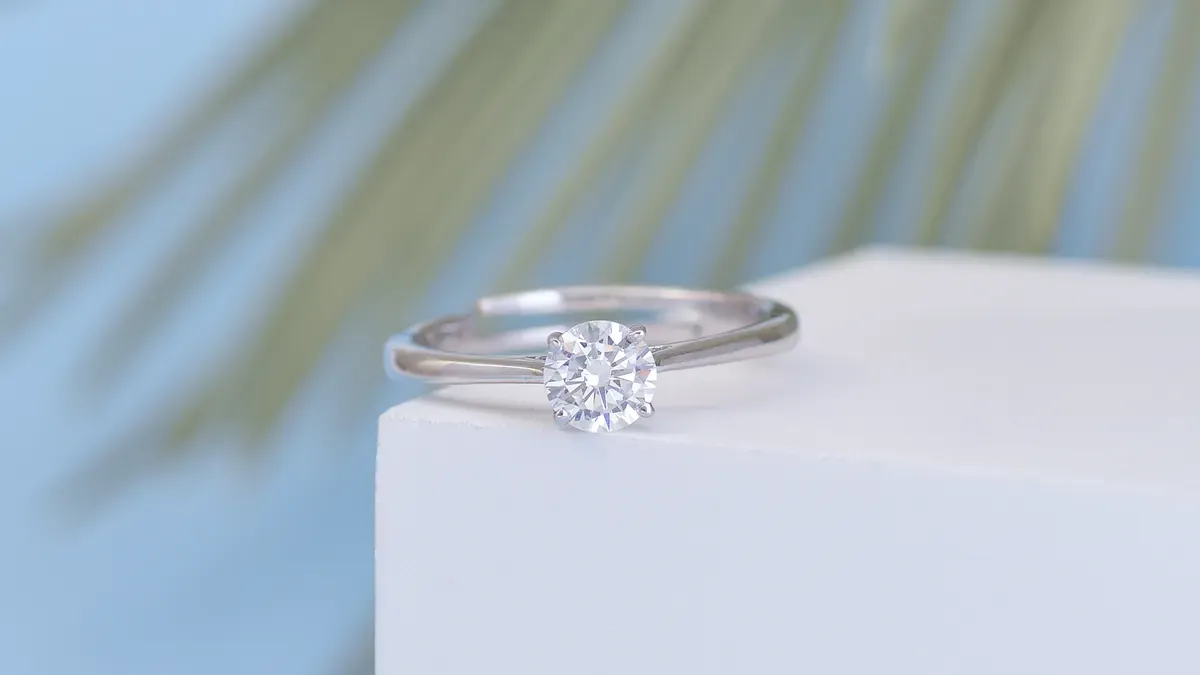
Perfect Jewelry, Tianyu Gems, Starsgem, Provence Gems, Fiorese Jewelry, ZKZ Jewelry, Tonglin Jewelry, LGG, MadisonDia, and top Wuzhou-based makers make up your 2026 shortlist. These ten stand out for better craftsmanship, bigger lab-grown diamond programs, stronger certification coverage, and sharp pricing. This post is a practical sourcing comparison for jewelry buyers, designers, and sourcing professionals. Each china sterling silver lab-grown diamond ring maker fits a different need. No single option wins overall. You get a clear view of silver styles, diamond quality, and customization depth. Compare rings side by side, then match a maker to your order size, budget, and compliance needs.
Judge makers by four things: craftsmanship, application fit, certification, and cost.
Pick the maker that fits your order size, style, and budget for the best results.
Always check grading reports, 925 stamps, and factory audit certificates before you order.
A thicker layer of rhodium plating (1.5–2.0 microns) makes silver rings shine longer and last longer.
Order a small sample first to check the quality, then scale up with confidence.
You need a way to compare suppliers that you can repeat. We scored every candidate on four criteria. Each one connects to a question you will ask during sampling and quoting.
Craftsmanship and diamond-setting quality. Check the prong work, bezel fit, stone alignment, and polish on the finished ring. Ask for close-up photos of settings at actual size.
Application fit. See which ring styles each factory does well and how far the customization goes. Some makers are great at simple solitaires. Others take on complex custom CAD work.
Certification and compliance coverage. Make sure you get grading reports for lab-grown diamonds, 925 purity marks on silver, and factory audit certificates when the maker has them.
Cost competitiveness. Compare quotes at the same specification. Stone grade, metal weight, and plating thickness change the price much more than the factory name.
What does "watch in 2026" mean here? We look at momentum, not how big a company has been. A maker earns a spot by upgrading skills, adding lab-grown diamond lines, getting new certifications, and showing up at trade shows. A big factory with a catalog that never changes does not make the list. A smaller workshop with new equipment and a growing certified range does.
Think of this list as a map of where each chinese jewelry manufacturer fits best. Our company may supply any of the options below. So read the profiles as guidance on positioning, not as a ranking. The top jewelry manufacturers in china compete on different strengths. Your job is to match those strengths to your line.
The jewelry manufacturers in china 2025 landscape changed fast. Several factories added certified diamond programs and faster sampling. That momentum carries into 2026. Use the four criteria above on every shortlist, and you will compare jewelry manufacturers in china on equal terms. The next section profiles each maker against these same points.
The profiles below use the same four criteria from the last section. For each maker, you get notes on craftsmanship, style range, certification coverage, and price positioning. Read them as a sourcing map. Then match the strengths to your own line.
Perfect Jewelry has designed, produced, and exported jewelry since 2002. The team turns trend ideas into scalable collections fast. This suits buyers who need fresh styles for younger customers. Craftsmen handle the full process from design to export. The factory holds SMETA, RCS, and Technical Evaluation certifications. You can source sterling silver lab-grown diamond ring styles here with a trend-driven angle and responsible manufacturing behind them. Pricing sits in the competitive mid-range for custom and volume orders alike.
Tianyu Gems pairs in-house production, quality control, R&D, and sales teams. So you get one point of contact from CAD to shipping. The factory covers lab-grown diamonds with IGI certification. It runs every product through quality testing five times before shipping. Custom work is a core strength. You approve CAD designs before production, then confirm photos and videos of the finished piece before shipment. A lifetime warranty backs purchased fine jewelry and diamonds, and metal test certificates come with each order. Local testing is allowed, with a full refund on any discrepancy. Tianyu also offers a GRC certificate for lab-grown gemstones across dozens of colors, shapes, and sizes. It also offers a GRA certificate for handmade modified cut moissanite with all special cuts customizable. Alibaba end customers give 99% 5-star feedback. Pricing runs above entry-level fashion lines, which reflects the certification depth and warranty coverage.
Both makers show why the top jewelry manufacturers in china keep moving up the value chain. One leads with trend speed and certified responsible production. The other leads with documentation and custom control. Neither profile tells you which chinese jewelry manufacturer wins for your line. Your order size, style focus, and compliance checklist decide that. The remaining profiles in this section follow the same pattern, so you can compare jewelry manufacturers in china on equal terms. Keep your own criteria sheet open as you read.
The table below puts the shortlist side by side. Use it as a starting point for quotes, not as a final verdict.
Maker | Specialty | Ring Styles | Customization Level | Certifications to Verify | Price Positioning |
|---|---|---|---|---|---|
Trend-driven collections, responsible manufacturing | Fashion and bridge styles for younger buyers | Mid to high, CAD to export | SMETA, RCS, Technical Evaluation | Competitive mid-range | |
Tianyu Gems | Certified lab-grown diamonds, custom control | Solitaires, custom cuts, fine styles | High, CAD approval plus photo/video sign-off | IGI, GRC, GRA, metal test certificates | Above entry-level |
Starsgem | Lab-grown stones and silver settings | Classic and custom | High | Grading reports, 925 marks | Mid-range |
Provence Gems | Custom silver and gemstone work | Custom and bridal | High | Grading reports, 925 marks | Mid-range |
Fiorese Jewelry | Fine custom pieces | Bridal and statement | High | Grading reports, 925 marks | Mid to premium |
ZKZ Jewelry | Silver and stone setting | Everyday and fashion | Medium | 925 marks, audit certificates | Entry to mid |
Tonglin Jewelry | Volume silver production | Fashion and stackable | Medium | 925 marks, audit certificates | Entry |
LGG | Lab-grown diamond lines | Engagement and fine | Medium to high | Grading reports | Mid-range |
MadisonDia | Certified diamond focus | Engagement styles | Medium | Grading reports | Premium |
Wuzhou-based makers | Stone supply and setting | Broad, trend-led | Varies | Grading reports, 925 marks | Entry to mid |
Listings on marketplaces give you a rough idea of price. A piece of 925 sterling silver jewelry with lab diamonds from China costs about $50 to $358. Lab-grown diamond engagement rings start at around $720. Use these numbers as a quick check, not as real quotes.
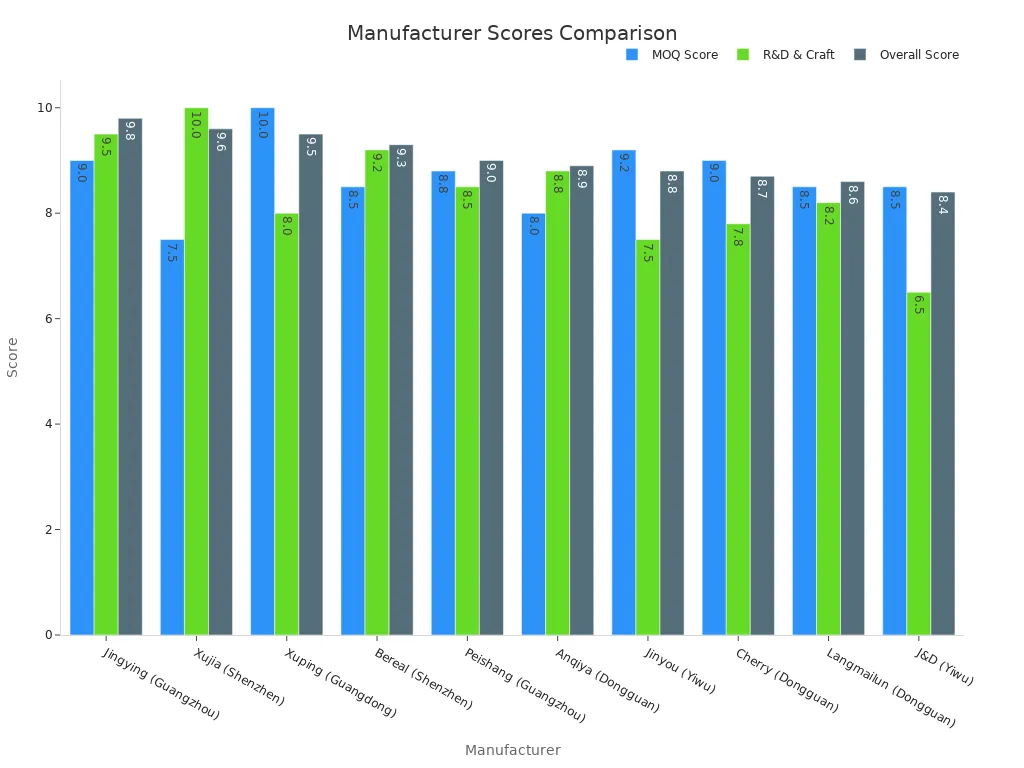
If you are buying for the first time, read the certification and customization columns first. They keep you from getting surprised. If you have bought before, you can focus on price positioning and ring styles, since you already know the factory's quality. Either way, check the 925 stamp and the grading report before you commit.
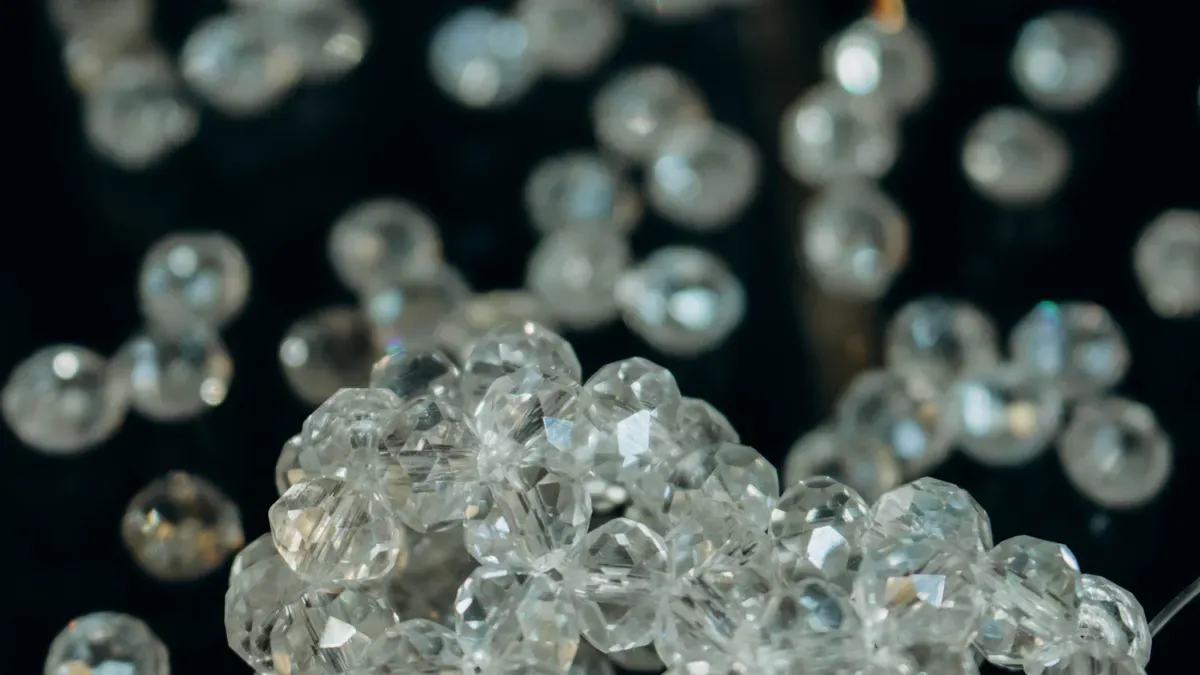
Setting work is where you see the biggest upgrade this year. Silversmiths now build tighter prong tips and fuller bezel walls, so a lab-grown diamond sits secure in a softer metal. Mixed-metal designs pair sterling with yellow or rose accents, and buyers love the two-tone look. Rhodium plating still decides how long a ring keeps its white shine. Standard plating runs 0.75–1.0 microns, while thicker coats of 1.5–2.0 microns last proportionally longer. Some luxury workshops now offer 2–3 micron thick-plate options. Expect this wear pattern:
Wear Pattern | Expected Rhodium Life | Re-Dipping Frequency |
|---|---|---|
Daily wear (never removed) | Every 1–2 years | |
Regular wear (most days) | 2–3 years | Every 2–3 years |
Occasional wear (events, weekends) | 5–10+ years | Rarely needed |
Display/storage | Many years | Not needed |
Rings wear fastest, since friction hits the band and prongs first. Rhodium is harder than sterling silver, yet the layer stays thin and never becomes scratch-proof. Once it thins, the exposed metal tarnishes as normal.
Build a compliance checklist before you place any order. Confirm a grading report for every diamond, such as an IGI report. Look for a 925 stamp on each piece of 925 sterling silver jewelry. Ask for factory audit certificates like SMETA or RCS where the maker holds them. These three checks protect your 925 sterling silver line and your brand.
Finally, watch the speed of new collections. Younger shoppers want fresh drops, so factories now push trend-driven designs to market fast. That shift rewards you for short runs of sterling silver jewelry and quick restyles of popular rings. Order small, test the response, then scale the winners.
Start with order size. Small-batch work and volume production lead you to different factories. Ask how each supplier counts its minimum order. A minimum of 100 pieces may mean 100 units of one design and one finish, not 100 mixed pieces across ten styles. Keep these benchmarks in mind:
General low-MOQ ranges run 20–300 pcs per design, and rings often sit at 100–200 pcs.
Volume programs run into the thousands of units, and the price per piece drops as quantity climbs.
Upfront cost and risk rise with volume, so test a design small before you scale it.
For small-batch custom work, look at Tianyu Gems, Provence Gems, and Fiorese Jewelry. They accept sketches and reference photos, and they approve CAD before production. For volume production, Tonglin Jewelry and ZKZ Jewelry fit better. Perfect Jewelry handles both ends, since it turns trends into scalable collections. As a custom jewelry manufacturer, it also supports custom fine jewelry oem and odm manufacturing for brands that need speed.
Now look at budget and style. Entry-price sterling silver fashion rings suit ZKZ Jewelry, Tonglin Jewelry, and Wuzhou-based makers. Premium certified engagement-style rings point to MadisonDia, LGG, and Tianyu Gems, where grading reports for lab-grown diamonds come standard. Starsgem sits between the two, with classic and custom rings at mid-range pricing.
No single china sterling silver lab-grown diamond ring maker wins every brief. Match the factory to your order size first, then to your price band and style focus. That two-step filter points you to the right jewelry manufacturer in china far faster than a catalog review. Compare quotes from two or three jewelry manufacturers in china, and confirm how each chinese jewelry manufacturer counts MOQ before you commit. The best chinese jewelry manufacturers make their terms clear up front, and so should your shortlist.
Group the shortlist by what each maker does best. Customization-focused makers like Tianyu Gems and Provence Gems are good for small-batch custom work. Volume and pricing-focused options such as Tonglin Jewelry and ZKZ Jewelry handle larger runs. Certification-focused names like MadisonDia and LGG lead on grading reports. Trend-driven factories, including Perfect Jewelry and Wuzhou-based makers, get new styles to market fast.
Your order size, style range, compliance needs, and budget decide the match. Some factories require 50+ units per design, so confirm the true minimum before a trial run. Ask for samples, check grading reports and the 925 stamp, and compare quotes on your rings from two or three shortlisted makers. Test one ring design small, then scale the winners.
Most factories set low-MOQ ranges at 20–300 pieces per design. Rings often land at 100–200 pieces. Confirm whether the minimum counts one design and finish or a mixed assortment. Volume programs run into the thousands of units, and the price per piece drops as quantity climbs.
Ask for three things. First, a grading report for each diamond, such as an IGI report. Second, a 925 stamp on every silver piece. Third, factory audit certificates like SMETA or RCS where the maker holds them. Request close-up photos of the setting at actual size.
Rhodium gives sterling silver its white shine and slows tarnish. Standard plating runs 0.75–1.0 microns. Thicker coats of 1.5–2.0 microns last proportionally longer. Daily wear typically needs re-dipping every 1–2 years. Occasional wear can hold its finish for 5–10+ years.
Marketplace listings put 925 sterling silver lab diamond rings from China at roughly $50–$358. Lab-grown diamond engagement rings start around $720. Treat these as rough anchors, not quotes. Stone grade, metal weight, and plating thickness move the price more than the factory name.
Yes. Test one ring design small, then scale the winners. Samples let you check prong work, bezel fit, stone alignment, and polish in hand. Compare quotes on your rings from two or three shortlisted makers. Confirm the true minimum and the 925 stamp before you place a full order.

 EN
 English
 Italian
 Spanish
 Ukrainian
 Japanese
 Norwegian
 Portuguese
 Korean
 Russian
 French
 Danish
 German
 Arabic
 Back to List