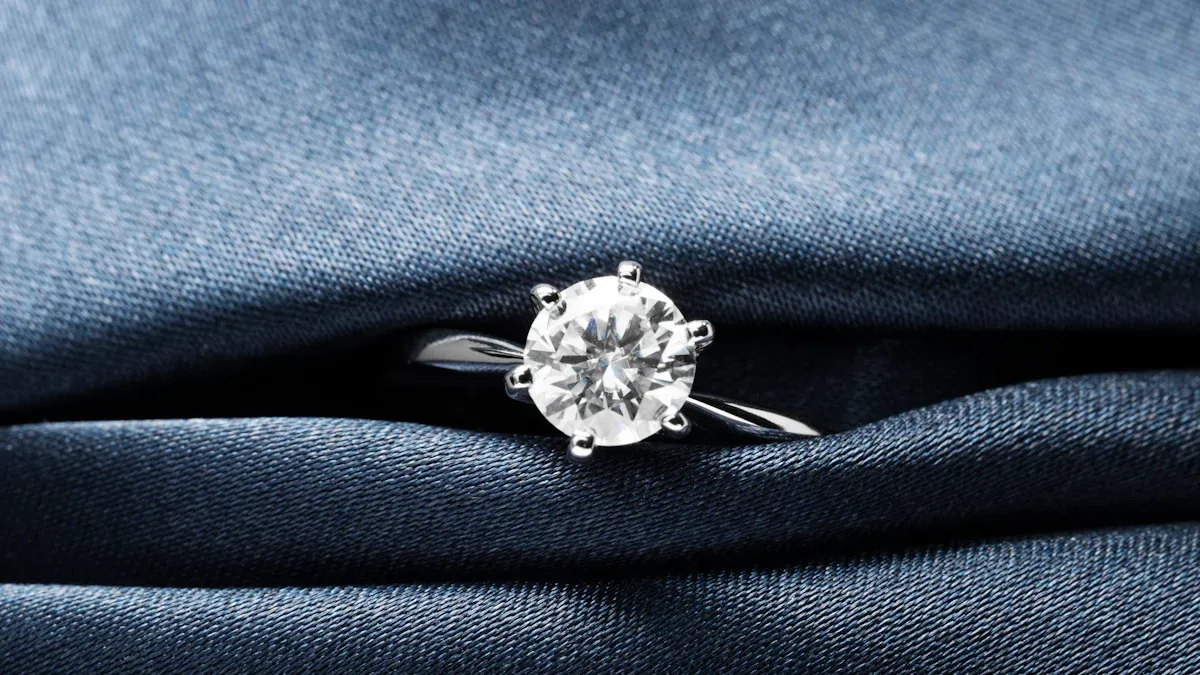
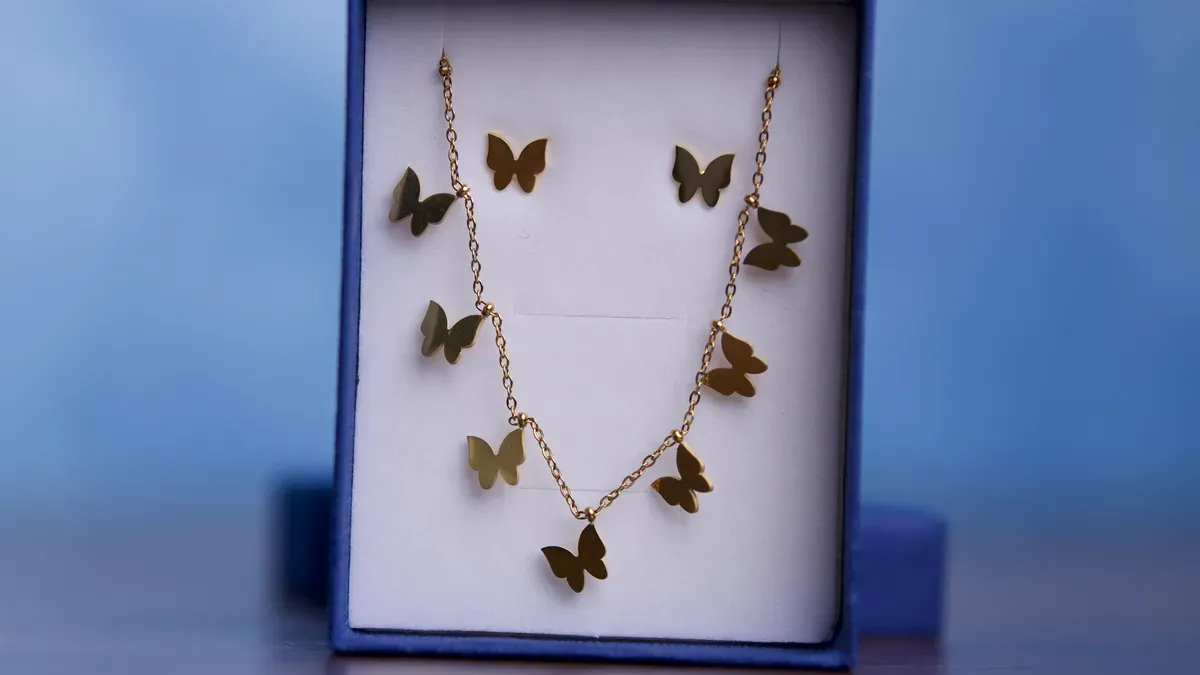
Sterling silver jewelry continues to attract buyers across different market segments, from independent jewelry brands and online retailers to department stores and wholesale distributors. Its combination of precious metal value, versatile appearance, and relatively accessible positioning makes it suitable for everyday collections, seasonal launches, and premium fashion accessories. For businesses purchasing jewelry in larger quantities, finding a reliable sterling silver jewelry bulk supplier is an important part of building a stable product line and maintaining healthy profit margins.
However, bulk jewelry sourcing involves more than comparing product designs or negotiating unit costs. Buyers need to evaluate material consistency, manufacturing capabilities, production capacity, customization options, quality inspection procedures, and delivery arrangements. A supplier may offer attractive designs but struggle with repeat orders, while another may have strong production capabilities but limited flexibility in product development.
Understanding these factors helps jewelry businesses make better sourcing decisions and avoid problems that can affect customer satisfaction and long-term sales.
Sterling silver is commonly used in jewelry manufacturing because it offers a balance between material quality, workability, and design flexibility. Standard 925 sterling silver contains 92.5% silver, with the remaining 7.5% generally consisting of other metals, often copper, to improve hardness and durability.
Pure silver is relatively soft, which makes it less suitable for many jewelry structures that require a certain level of strength. The addition of other metals helps sterling silver maintain its shape during daily use while allowing manufacturers to produce detailed designs.
For wholesale buyers, this material provides several commercial advantages.
Sterling silver jewelry can serve a wide range of customers. Minimalist earrings, delicate necklaces, stackable rings, and classic bracelets appeal to consumers looking for everyday accessories. More detailed pieces featuring zircon, gemstones, or semi-precious stones can target customers interested in decorative or occasion-based jewelry.
This variety allows retailers to develop collections for different price segments without changing their primary material category.
For example, an online jewelry store may combine simple sterling silver stud earrings with gemstone pendants and layered necklaces. A wholesale distributor may focus on basic designs with consistent demand, while a fashion jewelry brand may prioritize trend-driven shapes and seasonal collections.
A supplier with a broad design and material sourcing network can make it easier to develop these different product groups.
Sterling silver can be processed through casting, stamping, cutting, polishing, setting, and other jewelry manufacturing techniques. These processes support a wide range of structures, from simple geometric forms to intricate decorative patterns.
Manufacturers can also combine sterling silver with zircon, natural gemstones, semi-precious stones, and other decorative materials. Surface treatments and different finishing techniques provide additional options for creating distinct product appearances.
This flexibility is particularly useful for brands that want to maintain a recognizable design identity across multiple product categories.
Some jewelry businesses rely heavily on seasonal trends, while others build collections around classic designs that remain available throughout the year. Sterling silver can support both approaches.
Basic rings, hoop earrings, pendant necklaces, and simple bracelets can remain part of a permanent collection. New colors, stone combinations, and design details can then be introduced to refresh the range.
For buyers, this creates opportunities to balance fast-moving products with more stable inventory items.
Choosing a supplier should be based on manufacturing and business requirements rather than product appearance alone. A professional supplier needs to support the entire purchasing process, from initial design discussions to final shipment.
The following factors deserve particular attention.
Material quality is one of the first things buyers should verify.
For sterling silver jewelry, the 925 mark indicates a claimed silver content of 92.5%. However, a stamped mark alone should not replace proper material verification. Buyers should ask about material specifications, supplier documentation, and available testing procedures.
A reliable manufacturer should be able to explain how silver materials are sourced, how incoming materials are inspected, and how material consistency is maintained during production.
Other details may also affect the final product:
Silver alloy composition and material consistency.
Metal thickness and structural strength.
Surface finishing and polishing standards.
Soldering quality and connection strength.
Stone-setting stability.
Applicable nickel, lead, and cadmium requirements for the destination market.
These details are especially important for businesses selling through established retail channels, where product specifications and compliance requirements may be clearly defined.
Experience matters because jewelry manufacturing involves many processes that require technical knowledge and skilled workmanship.
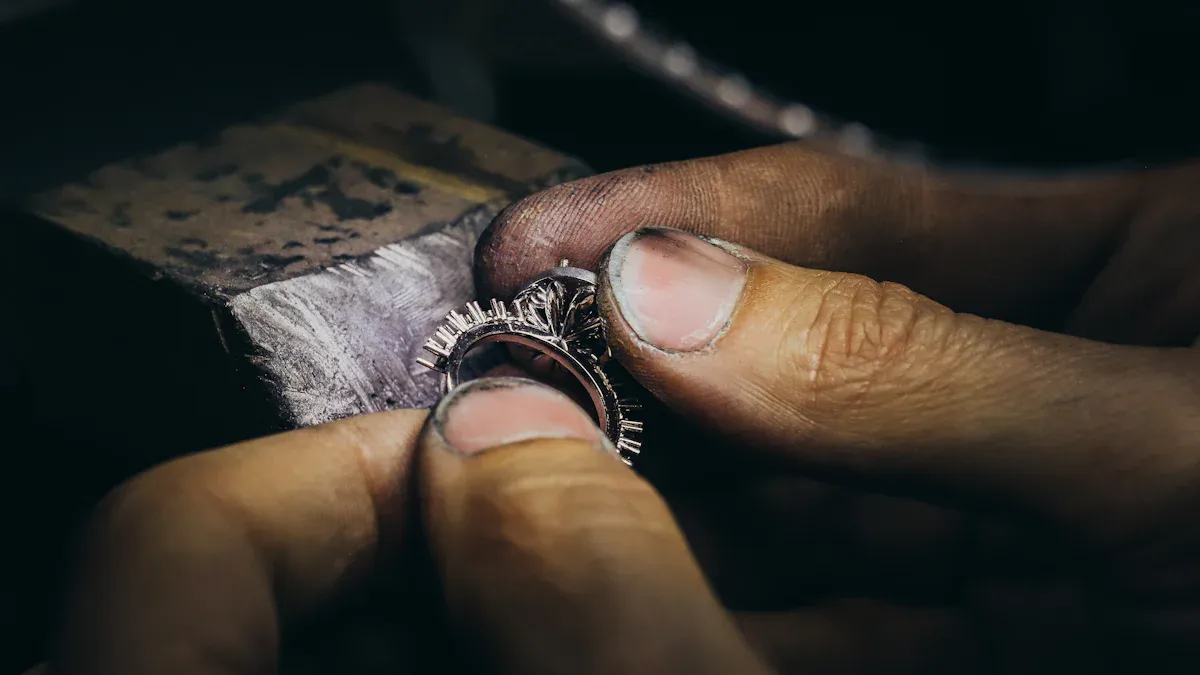
A manufacturer with established production experience is generally better prepared to handle different design structures, material combinations, and finishing requirements. Buyers should understand whether a supplier operates its own production facilities, works with long-term manufacturing partners, or uses a combination of both.
It is also useful to ask about the production equipment and processes available.
Depending on the product design, manufacturing may involve:
CAD modeling and design development.
Wax model preparation and casting.
Metal cutting and shaping.
Stone setting and assembly.
Polishing and surface treatment.
Final cleaning and inspection.
Individual product packaging.
Not every supplier needs to perform every process in-house. What matters is whether the production arrangement is stable, clearly managed, and capable of meeting the buyer's quality requirements.
A supplier with experienced craftsmen and organized production management can help reduce inconsistencies between samples and bulk orders.
For jewelry brands, product differentiation is often more important than simply offering a large catalog.
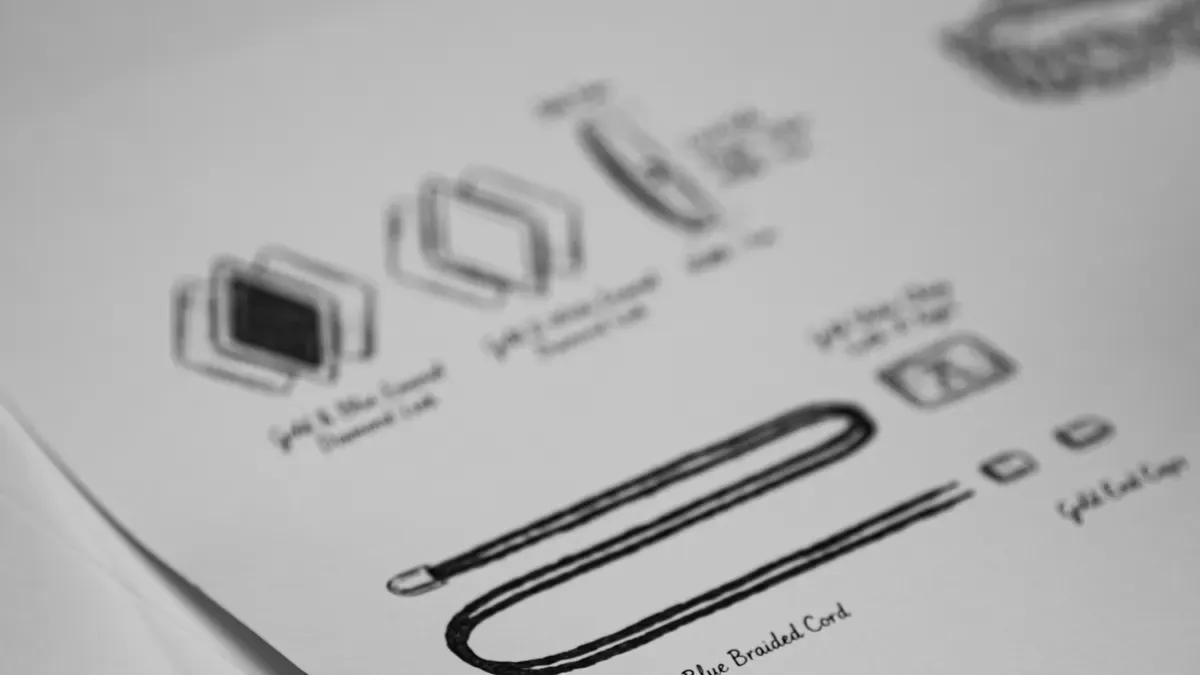
A supplier with an experienced design and CAD team can help turn sketches, reference images, or preliminary concepts into manufacturable jewelry designs. This is particularly useful when a brand wants to develop exclusive products rather than purchase identical designs already available from multiple sellers.
Before starting a custom project, buyers should clarify several points:
Can the supplier work from hand-drawn sketches or reference photographs?
Can the design team create 2D drawings and 3D CAD models?
Are modifications possible after reviewing the first design?
Can different stone sizes, colors, and settings be incorporated?
Can the supplier develop samples before mass production?
How are approved design files and product specifications managed?
CAD development is not simply about producing a digital model. It also helps identify structural problems before manufacturing begins.
For example, a ring design may look attractive in a drawing but have a setting that is too thin for the selected stone. A CAD review allows the team to adjust the structure before creating physical samples.
This process can reduce unnecessary revisions and make production planning more efficient.
Sterling silver jewelry often includes more than silver components. Zircon, gemstones, semi-precious stones, diamonds, chains, clasps, earring posts, and other accessories may all be required.
If these materials are sourced from different suppliers, inconsistencies in color, size, quality, and availability can affect the finished collection.
A manufacturer with an established procurement network can coordinate these materials more effectively.
For bulk buyers, this is particularly relevant when ordering multiple designs within the same collection. Matching stone colors and maintaining consistent accessory specifications can make a noticeable difference in the overall appearance of the products.
Before confirming an order, buyers should discuss:
Available stone types and specifications.
Stone color and size tolerances.
Accessory material and finishing.
Availability of replacement components.
Procurement lead times.
Whether the same materials can be secured for repeat orders.
Stable sourcing is not only about obtaining materials for the first production run. It is also about maintaining product consistency when a successful design needs to be reordered.
One of the most common concerns in wholesale jewelry sourcing is the difference between an approved sample and the final production batch.
A sample may receive careful attention, but bulk production involves multiple workers, production stages, and material batches. Without clear quality standards, small variations can accumulate.
Buyers should establish inspection requirements before production begins.
The first inspection should focus on the physical construction of the jewelry.
For rings, check whether the band is symmetrical and whether the setting is secure. For necklaces, examine chain connections, clasps, and pendant attachments. For earrings, inspect the posts, backs, and overall balance.
Common issues include:
Uneven polishing or visible surface scratches.
Rough edges that may affect wearing comfort.
Weak soldering points.
Loose stones or inconsistent settings.
Poorly aligned components.
Inconsistent dimensions between identical products.
These problems may seem minor individually, but they can increase return rates and generate additional customer service costs when they appear across a large order.
Some sterling silver jewelry is sold with its natural silver appearance, while other products receive additional surface treatments.
Common finishes include rhodium plating, gold plating, and other decorative treatments. The selected finish influences the product's appearance, maintenance requirements, and performance during use.
Buyers should specify the required finish rather than relying on general descriptions such as shiny silver or gold color.
Relevant details include plating type, color consistency, coverage, thickness where specified, and applicable durability testing.
It is also important to understand that sterling silver can naturally tarnish over time due to environmental exposure and chemical reactions. Proper storage, suitable packaging, and appropriate consumer care instructions can help reduce unnecessary complaints.
A practical quality control process should cover several production stages.
Incoming material inspection: Verify the basic specifications of silver materials, stones, and accessories before manufacturing.
In-process inspection: Check dimensions, structural details, setting positions, and workmanship during production.
Final inspection: Examine finished jewelry for appearance, construction, surface quality, and packaging condition.
Pre-shipment inspection: Confirm order quantities, product identification, packaging specifications, and shipping documents.
For larger orders, buyers may also request an agreed sampling inspection method and acceptance criteria.
The inspection standard should be established before the order is placed. This prevents disagreements caused by different expectations regarding acceptable surface marks, dimensional tolerances, or minor color variations.
Bulk jewelry purchasing requires a balance between inventory availability and demand uncertainty.
Ordering too many units can tie up working capital and create inventory pressure. Ordering too few may result in stock shortages, missed sales opportunities, or repeated production expenses.
A good supplier should be able to discuss production planning based on the actual product and order requirements.
Minimum order quantity, commonly referred to as MOQ, varies according to the manufacturing process.
Simple designs using standard materials may be easier to produce in smaller batches. Custom designs involving special molds, unique stone combinations, or complex structures may require higher quantities to make production more efficient.
Buyers should not evaluate MOQ without considering the complete production requirements.
For example, a brand developing ten different pendant designs may need to consider whether the MOQ applies to each design, each material combination, or the entire order.
This distinction can significantly affect inventory planning.
Samples allow buyers to evaluate a product before committing to a larger order.
A typical development process includes:
Sharing the design concept, reference images, or technical specifications.
Confirming dimensions, silver material, stones, and surface finishing.
Preparing CAD drawings or digital models when required.
Producing an initial sample.
Reviewing the sample and requesting necessary adjustments.
Approving the final sample and production specifications.
Starting mass production after confirmation.
For customized products, buyers should keep records of the approved sample, drawings, material specifications, and finishing requirements.
These records provide a reference for future orders and help reduce misunderstandings.
For growing jewelry brands, repeat orders are often more important than one-time purchases.
A design that performs well in the market may need to be replenished several times. If the supplier cannot maintain the same specifications, the second production run may look different from the original batch.
To reduce this risk, manufacturers should maintain clear production records, including material specifications, CAD files, stone details, finishing requirements, and approved samples.
Buyers should also discuss how long-term material availability is managed, particularly for products using specific gemstones or decorative accessories.
A stable production system makes it easier to expand a successful collection without repeatedly restarting the development process.
Private-label and custom jewelry development are important for businesses that want to build their own market identity.
Instead of competing only on products that are widely available, brands can develop collections based on their target customers, preferred design language, and retail positioning.
A capable manufacturer should be able to support different levels of customization.
Some buyers already have complete technical drawings, while others only have an initial idea.
A professional design team can work with both situations.
For example, a brand may want to create a collection inspired by natural forms, minimalist geometry, or contemporary architectural elements. The design team can translate these concepts into wearable jewelry while considering material limitations, structural strength, and manufacturing feasibility.
This collaboration is particularly valuable when the original concept needs adjustments before production.
Not every product needs to be developed from the beginning.
Sometimes, buyers only need to modify an existing design by changing the stone color, pendant size, chain length, surface finish, or decorative details.
These adjustments can create different product versions while keeping the basic manufacturing structure.
For example, a simple sterling silver necklace may be developed in several versions using different zircon colors or gemstone combinations. This approach can help retailers build coordinated collections without introducing too many completely new product structures.
Jewelry trends can change quickly, especially in younger consumer markets.
Brands need to identify new design opportunities while maintaining reasonable development and production timelines.
A manufacturer with a responsive CAD team, experienced craftsmen, and stable material sourcing can help shorten the path from concept to finished product.
However, trend development should not rely on appearance alone. Buyers should also evaluate whether a design can be manufactured consistently, whether the materials are available, and whether the finished product suits the intended retail channel.
A design that looks attractive in a photograph may still be unsuitable for mass production if its structure is too complicated or its components are difficult to source.
Sustainability and responsible manufacturing have become increasingly relevant in international jewelry sourcing.
Retail brands, distributors, and corporate buyers may need suppliers that can demonstrate responsible workplace practices and provide relevant manufacturing documentation.
For this reason, supplier evaluation should include both product quality and operational responsibility.
Responsible manufacturing involves more than environmental policies.
Working conditions, employee welfare, workplace safety, and labor protection are also important considerations.
Buyers can ask whether a manufacturer has established policies for employee protection, workplace insurance, health and safety management, and labor compliance.
Independent assessments can provide additional information about a company's social responsibility practices.
Perfect Jewelry has experience with SMETA, RCS, and technical evaluation-related certification or assessment requirements. These credentials and assessment records can help buyers understand the company's approach to responsible manufacturing.
However, different standards cover different areas. Buyers should review the actual certificate or assessment documentation, its scope, and validity rather than assuming that every credential represents the same type of verification.
Recycled materials are another consideration for jewelry brands developing sustainability-focused collections.
RCS, or the Recycled Claim Standard, is associated with tracking recycled content through supply chains. For products marketed as containing recycled materials, buyers should confirm the applicable documentation, material percentage, and chain-of-custody requirements.
Manufacturers and buyers should also discuss material sourcing transparency, packaging choices, and production waste management where relevant.
Responsible sourcing should be supported by verifiable information rather than broad environmental claims.
The purchasing process does not end when the jewelry leaves the production line.
Packaging, transportation, and product photography all influence how a wholesale order is received, stored, displayed, and eventually sold.
Jewelry products are relatively small, but they may be vulnerable to scratches, tangling, moisture exposure, and damage during transportation.
Packaging requirements depend on the product type and distribution channel.
For example, delicate chains may need individual packaging to prevent tangling. Gemstone jewelry may require additional protection around raised settings. Retail-ready products may need individual boxes, cards, labels, or barcodes.
Before production, buyers should confirm:
Individual product packaging requirements.
Whether anti-tarnish packaging is needed.
Product labels and identification.
Brand logo printing or customized packaging.
Bulk carton specifications.
Packaging protection for international transportation.
A supplier that can coordinate both jewelry production and packaging can reduce the number of separate purchasing arrangements.
For overseas buyers, shipping reliability is an important part of supplier performance.
Jewelry orders may involve multiple designs, different packaging specifications, and detailed product documentation. Poor coordination can delay dispatch or create problems during receiving and inventory management.
Buyers should confirm the estimated production lead time, packaging completion date, shipping method, and required export documentation before placing an order.
Working with established logistics providers can help coordinate international deliveries and provide more predictable transportation arrangements.
It is also advisable to clarify how the supplier handles shipment delays, packaging damage, and missing quantities.
For e-commerce businesses, product images directly influence how customers understand and evaluate jewelry.
Professional photography should show the actual product appearance, including metal color, stone details, surface finish, and overall proportions.
Useful photography may include:
Clean product images on a neutral background.
Close-up photographs showing stone settings and finishing.
Lifestyle images showing how jewelry is worn.
Multiple viewing angles.
Collection images for coordinated products.
A supplier that can provide high-quality product photography may help brands prepare their online catalogs more efficiently.
However, buyers should confirm image resolution, background requirements, file formats, and usage permissions before using supplier-provided photographs in commercial campaigns.
Even experienced buyers can encounter sourcing problems when important details are not confirmed before production.
Understanding common mistakes can help reduce unnecessary costs and improve supplier cooperation.
A low quotation does not always represent the lowest total purchasing cost.
Material quality, workmanship, inspection, packaging, transportation, and potential defect rates all affect the final cost of a wholesale order.
For example, a product with inconsistent stone settings may generate higher return and replacement costs even if its initial purchase price is attractive.
Buyers should compare quotations using equivalent product specifications rather than comparing prices for products that differ in materials or finishing.
Descriptions such as sterling silver, silver-colored metal, and 925 silver should not be treated as interchangeable.
Buyers should confirm the actual metal composition and relevant testing requirements.
They should also distinguish between the silver content of the base material and the type of surface plating used on the finished product.
Clear specifications reduce the risk of receiving jewelry that does not meet the intended product standard.
Ordering directly from product photographs can create unnecessary risks, particularly for custom designs.
Photographs may not accurately communicate product thickness, dimensions, weight, surface texture, or wearing comfort.
A physical sample allows buyers to evaluate these details before mass production.
For custom projects, sample approval should be documented and linked to the final production specifications.
A supplier may successfully complete an initial order but have difficulty reproducing the same product months later.
This can happen when materials are unavailable, design files are not properly maintained, or production specifications are incomplete.
Before establishing a long-term relationship, buyers should ask how repeat orders are managed and whether key materials can be sourced consistently.
Clear communication is essential in international B2B cooperation.
Buyers need timely updates about sample development, production progress, quality issues, and shipping arrangements.
It is useful to establish a clear communication process and identify the responsible contact for technical questions, order coordination, and after-sales matters.
A supplier's ability to explain manufacturing details and respond to problems can be just as important as its product catalog.
Established in 2002, Perfect Jewelry has more than 20 years of experience in jewelry design, manufacturing, and international export.
The company focuses on helping jewelry brands, wholesalers, and retailers develop products that match changing market requirements while maintaining practical production standards.
Its capabilities cover several stages of the jewelry sourcing process.
Perfect Jewelry has an experienced design and CAD team that can transform customer ideas, sketches, and concepts into detailed jewelry designs.
This service is useful for brands developing custom collections, modifying existing products, or creating new designs for specific customer groups.
The team works with buyers to refine design details and prepare products for manufacturing.
Years of supply chain development have enabled Perfect Jewelry to establish long-term partnerships for zircon, gemstones, semi-precious stones, diamonds, and jewelry accessories.
This procurement network supports different product styles and material combinations.
For buyers developing multiple product categories, coordinated sourcing can simplify communication and help maintain consistency across a collection.
Perfect Jewelry combines experienced craftsmen with advanced manufacturing equipment to produce different types of jewelry.
Whether a customer needs customized products or larger production runs, the company focuses on workmanship, production coordination, and quality inspection.
The manufacturing team works to ensure that approved design specifications are reflected in finished products.
Perfect Jewelry's approach to manufacturing includes attention to both environmental responsibility and employee welfare.
The company has SMETA, RCS, and technical evaluation-related credentials and places importance on workplace protection and employee insurance.
These practices reflect its commitment to responsible business operations and long-term manufacturing cooperation.
Beyond manufacturing, Perfect Jewelry can coordinate safe packaging and work with established logistics partners to support international delivery.
The company can also provide professional jewelry photography, helping buyers prepare product presentations for online stores, catalogs, and other sales channels.
By combining design development, procurement, manufacturing, packaging, and photography support, Perfect Jewelry aims to make the sourcing process more manageable for international jewelry businesses.
Before selecting a supplier, buyers can use the following questions to evaluate whether its capabilities match their business requirements.
What types of sterling silver jewelry can you manufacture?
Ask about available product categories, such as rings, necklaces, pendants, bracelets, earrings, and custom jewelry collections.
Can you develop products based on our own designs?
Confirm whether the supplier has CAD capabilities and can work from sketches, reference images, or technical drawings.
How do you verify sterling silver material quality?
Ask about material documentation, testing methods, and incoming material inspection.
Can you provide samples before mass production?
Clarify sample development procedures, approval requirements, and how the approved sample will be used as a production reference.
What quality control procedures do you follow?
Discuss in-process inspection, final inspection, dimensional tolerances, stone-setting requirements, and defect handling.
Can you support repeat orders?
Ask whether design files, material specifications, and approved product details are retained for future production.
What packaging and logistics services are available?
Confirm individual packaging, customized branding, export arrangements, and shipping coordination.
What documentation can you provide regarding responsible manufacturing?
Request relevant certificates, assessment reports, and supporting documents to understand their scope and validity.
These questions help buyers move beyond general supplier claims and evaluate actual manufacturing capabilities.
Finding a suitable sterling silver jewelry bulk supplier is not simply about completing one purchase. For jewelry brands and distributors, the supplier relationship can influence product development speed, inventory availability, quality consistency, and customer experience over time.
A reliable manufacturing partner should understand the buyer's market positioning, communicate clearly about technical requirements, and maintain organized production records. It should also be able to coordinate material procurement, sample development, bulk manufacturing, inspection, packaging, and delivery.
For businesses planning to expand their jewelry collections, these capabilities provide a foundation for more efficient sourcing and product development.
With more than two decades of experience since 2002, Perfect Jewelry supports international customers through design and CAD development, established material procurement, experienced craftsmanship, quality control, responsible manufacturing, and export coordination.
Whether you are developing a new private-label collection, sourcing products for wholesale distribution, or expanding an existing retail range, working with a manufacturer that understands both jewelry production and commercial requirements can make a meaningful difference.
When evaluating your next wholesale jewelry project, focus on material specifications, manufacturing consistency, customization capabilities, and long-term supply stability. These factors will help you build a product range that meets customer expectations and supports sustainable business growth.

 EN
 English
 Italian
 Spanish
 Ukrainian
 Japanese
 Norwegian
 Portuguese
 Korean
 Russian
 French
 Danish
 German
 Arabic
 Back to List