Starting a jewelry business opens huge global sales opportunities.
Metric | Value / Estimate |
|---|---|
Estimated Current Market Value | $40 Billion USD |
2024 Market Valuation | $42.1 Billion USD |
2033 Projected Market Valuation | $78.9 Billion USD |
Compound Annual Growth Rate (CAGR) | 7.5% |
You can turn a custom jewelry idea into real products through clear steps from start to finish:
Initial conceptualization
CAD/3D modeling
Prototyping and sampling
Factory mass production
Custom branded packaging
Reliable manufacturing partners like Perfect Jew bring your jewelry vision to life under one roof. Perfect Jew simplifies expert jewelry manufacturing by combining complete full-service design, material sourcing, and precise factory crafting for a successful market launch.
Make clear drawings and create detailed instruction sheets to guide the manufacturer and avoid expensive errors.
Make 3D CAD models and real wax samples to test item strength and gemstone safety early on.
Pick a trusted all-in-one factory partner to manage your design, metal casting, and manufacturing easily.
Buy real metals and great gemstones to keep your brand looking good and make customers happy.
Create custom branded boxes and take sharp product pictures to increase your online sales success.
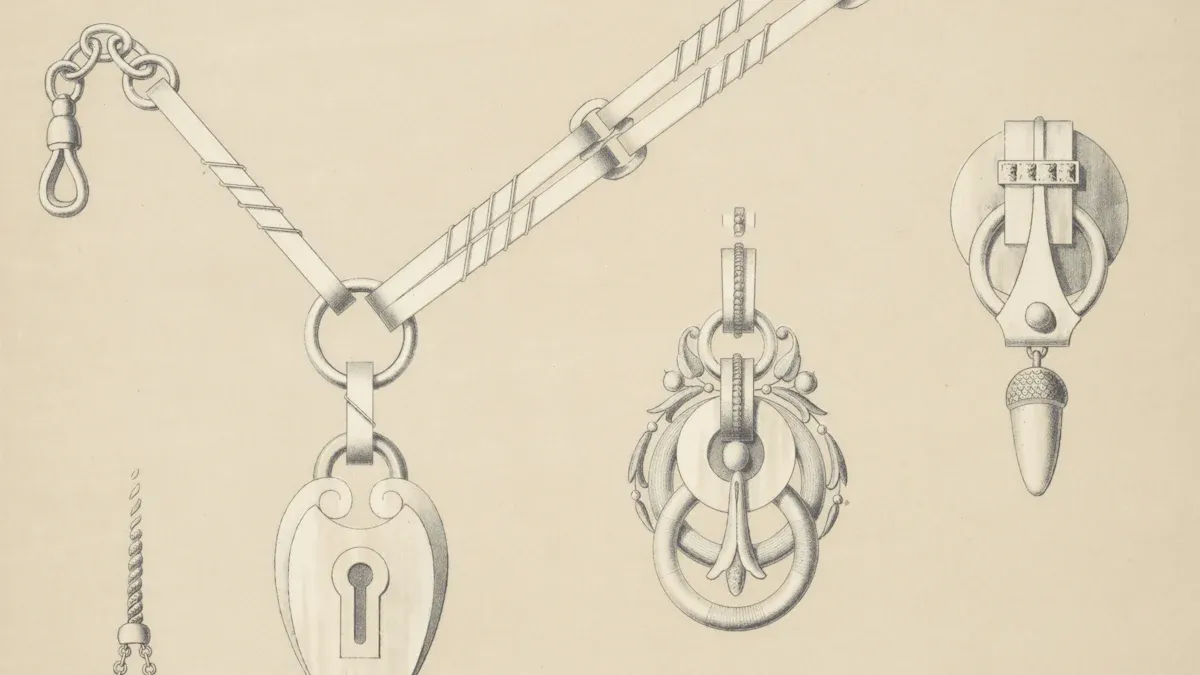
Your manufacturing journey begins as you turn your creative jewelry idea into first drawing sketches. Hand sketches assist you in visualizing your custom jewelry design with clarity. You can test sizes and shapes throughout this early creative phase. Skilled artists turn your raw ideas into sharp visual pictures. Precise drawings show how various pieces fit together before you master jewelry design.
Clean drawings direct every step within the jewelry design process. You test special visual details for your personalized jewelry prior to starting factory production. Focused creative teams assist you to design custom jewelry that fits your brand style. These early visual drafts build the base for easy jewelry customization. You raise total jewelry design quality before you begin 3D modeling.
You require a full technical package to turn custom styles into real physical products. A tech pack works as a vital guide for manufacturing plants. It turns artistic visual ideas into clear factory steps for plant operators. You save precious time when you design custom jewelry with precise sizes and simple build directions. A total technical package makes sure all operators grasp your goal.
Detailed technical packages cut mistakes and lower production expenses in a few key ways:
CAD Software Integration: Using regular 3D files (like .STEP or .IGS) lets designers load precise size data directly into mold setups, which eliminates hand drawing reading mistakes.
Strict Dimensioning: Setting close size limits stops loose part building or crooked gem placements.
Clear Material & Finish Specs: Fully listing needs—like 316L Stainless Steel and 2.0-micron PVD 18K Gold layer—cuts guessing, guides plant staff, stops pricey fixes, and cuts slow email chatter.
This clear setup ensures the factory crafts your real jewelry idea with zero errors. Great guides change creative ideas into finished items with ease.
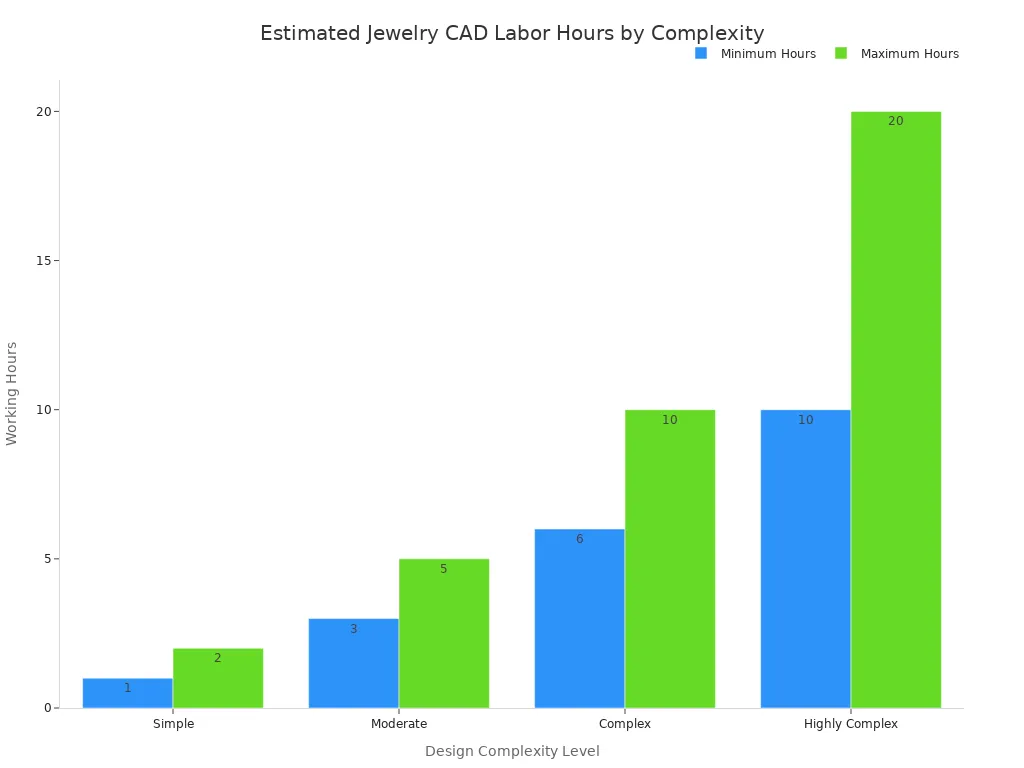
Skilled designers convert your basic paper drawings into exact digital files. These 3D computer files show accurate sizes and gem spots before factory making begins. Computer software displays lifelike shapes to bring your creative ideas into clear focus. Normal custom jewelry orders usually take 3 to 7 business days to finish.
Design Complexity | Example Jewelry Type | Estimated CAD Working Hours |
|---|---|---|
Simple | Solitaire rings, plain bands | 1 - 2 hours |
Moderate | Halo settings, pavé bands | 3 - 5 hours |
Complex | Multi-stone clusters, filigree work | 6 - 10 hours |
Highly Complex | Sculptural statement pieces | 10 - 20 hours |
Unclear drawings raise needed CAD work time by 50% to 100% because extra changes are needed.
3D design software boosts accuracy by using key smart tools:
CAD Tool Feature | Application in Dimension & Setting Planning | Precision Improvement Outcome |
|---|---|---|
Measurement & Scaling | Adjusting proportions and verifying dimensions | Ensures exact sizing and balanced proportions of the piece |
Setting Placement Tools | Positioning prongs, bezels, and channels accurately | Ensures perfect alignment with gemstones to hold them securely |
New CAD programs also help you organize gemstone layouts easily:
Customizable Scale & Projection Controls: Lets you place and view complex gem patterns accurately to make setting work much faster.
Gem Info Reference System: Creates small editable points for gem sizes to place directly onto technical build pages.
Automated Manufacturing Reports: Makes detailed stone guides and technical pictures with exact gem details to direct factory workers.
Virtual design files help you design custom jewelry without making any mistakes. You gain smart jewelry design skills while organizing stone locations.
You need a physical model to check style details and strength before full production. Perfect Jew uses modern wax printing to create fast visual samples. Current 3D printing provides great benefits over old hand carving methods:
Accelerated Revisions: Software updates allow quick design changes and fast re-prints within just a few days.
Enhanced Geometric Symmetry: Creates perfect matching shapes that work great for twin items like earrings or even halo rings.
Expanded Creative Scope: Helps make complex open patterns or organic shapes that would take too much hand labor.
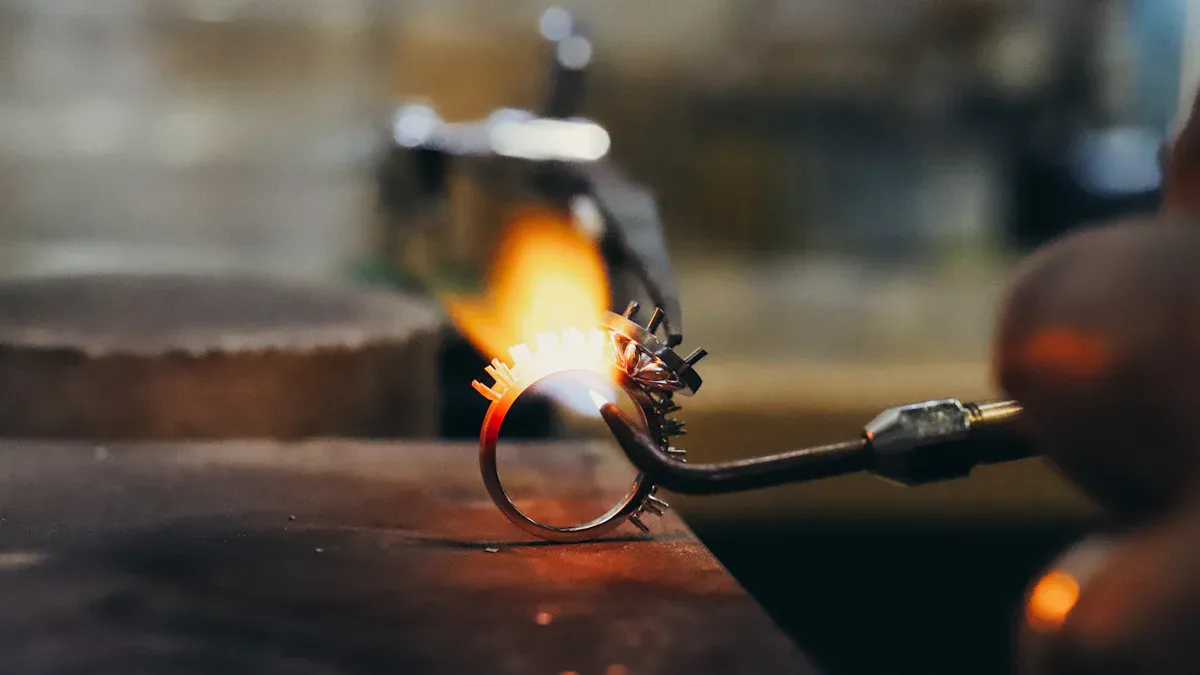
Workers follow lost-wax casting steps to build physical custom made jewelry pieces:
Initial Sculpting: Workers shape a block of wax with small saws and files to create the main item model.
Tree Assembly: A small wax tube attaches to the carved piece and connects it to a main central wax stem.
Encapsulation: Liquid plaster covers the full wax tree, and then the mixture dries until it becomes hard.
Burnout Phase: A hot furnace bakes the hard mold to melt out the inner wax and leave a clean empty space.
Metal Injection: Liquid hot metal flows straight into the empty plaster space where the wax used to sit.
Retrieval: Workers break away the cold plaster shell to remove the cast metal piece from the center stem.
Craftsmen check every sample to test metal strength and tight gem fits:
Test Category | Specific Physical Tests | Objective / Function |
|---|---|---|
Structural Integrity | Hardness, tensile strength, density, bend, impact/drop, torque, fatigue, and load capacity tests | Verifies the durability, strength, and overall physical robustness of the metal body |
Gemstone Security | Microscopic visual inspections and manual pressure tests (gentle pushing/pulling on prongs and bezels) | Ensures stones are firmly anchored to prevent loosening or detachment during routine wear |
Checking every test sample ensures top production quality. These building steps let you design custom jewelry with complete confidence while making special personalized jewelry items for customers.
Creating a profitable brand takes dependable factory partners. Picking candidate facilities carefully helps grow your enterprise smoothly. Great full-service vendors guide you from early ideas to finished items. Perfect Jew brings two decades of knowledge to streamline your factory process. Experienced makers and complete sourcing systems help you manufacture jewelry without extra stress.
You can locate a manufacturer using online directories or trade shows. Follow this simple guide to vet prospective partners:
Define clear requirements for batch size, materials, and target design styles.
Build a list of 3 to 5 candidate vendors using verified directories and trusted recommendations.
Order physical sample pieces to check overall product quality firsthand.
Review key factors like minimum order quantities (MOQs), material options, and production timelines.
Check supplier backgrounds through customer reviews, seller ratings, and official credentials.
Place a small test order before starting large-scale factory runs.
Draft formal written agreements for design specs, defect limits, packaging, and shipping terms.
Modern custom jewelry platforms make it easy to talk through every step of your production schedule.
Operational Area | Streamlining Mechanism | Quantitative Impact |
|---|---|---|
Customer Communications | Self-service Customer Portal for order tracking and online quote submission | 50% decrease in client inquiry calls |
Order Administration | Automated job order tracking across production workflows | 60% reduction in order administration time |
Manufacturing Accuracy | Automated error alerts and system tracking | 95% reduction in human-related production errors |
Costing & Quoting | Automated pricing formulas integrated with live metal market feeds | 100% accurate quoting and costing |
Teaming up with a solid factory protects your enterprise across the whole jewelry manufacturing process.
Picking top raw materials helps you create stunning custom made jewelry. Perfect Jew helps you design custom jewelry with tested metals and gems. Certified supply networks protect product quality across your full line. Respected global standards like SMETA, RCS, and Technical Evaluation guarantee fair work conditions and eco-friendly material sourcing.
Verification Method | Scope of Application | Description & Key Indicators |
|---|---|---|
Physical Testing & Evaluation | Precious Metals & Gemstones | Professional-grade testing to confirm metal purity alongside systematic stone evaluation for identifying natural gemstones, diamonds, and unique cuts. |
Visual & Archival Inspection | Brand Authenticity & History | Detailed examination of physical hallmarks, maker's marks, engravings, and logos, followed by cross-referencing against model history and brand archives. |
Third-Party Accreditation | Quality & Legal Validation | Appraisal reports issued by certified entities like the Gemological Institute of America (GIA) or American Gem Society (AGS) to validate grade, quality, and valuation. |
You can sell unique personalized jewelry lines by using eco-friendly materials. Many brands choose recycled precious metals to build green product lines. Still, expanding metal refining operations needs serious money and takes about 12 to 24 months.
A smart sourcing strategy improves every custom piece you sell. Solid supply networks improve your full jewelry manufacturing schedule. Factory teams test raw materials before casting work starts. You can design custom jewelry with total peace of mind when experts check stone purity. Choosing an experienced factory boosts brand quality through all stages of jewelry manufacturing.
You must keep product quality steady as you grow your jewelry production for big factory runs. Modern casting machines melt gold and silver with extreme precision. Careful testing rules check every stage of making the items, from inspecting raw metals to final hand shining. X-ray machines check metal purity to meet legal environmental rules. Sensors watch melting temperatures constantly to stop hidden internal metal flaws before polishing begins.
Automatic checking tools help factory workers spot tiny surface marks fast. High-resolution camera setups scan finished items for light scratches, small holes, or rough spots. Precision measuring tools check ring sizes, prong heights, and gem settings down to the smallest detail. Workers also test clasps five hundred times to make sure they stay strong. These hard quality checks protect your items and fix errors during big jewelry production runs in the plant.
Unboxing gives you a great way to create a memorable bond with your buyers. Perfect Jew makes custom logo boxes that keep delicate custom jewelry safe on long international trips. Tarnish-proof bags protect silver items from air and water. Soft foam pads and bubble wrap hold items tightly inside strong double-wall boxes. High-end unboxing setups raise your item value, boost your brand image, and encourage repeat shoppers for your web store.
Sharp product photos strengthen your online business when you sell custom items on the web. Professional photographers use soft light boards and white balance settings to show gem shine without shiny metal reflections. Angles at forty-five degrees show off small creative details and gem placements clearly for online shoppers. Perfect Jew combines early drawing help, complete manufacturing, safe custom packaging, and item photography. These total services give you complete ready-to-sell items for your online store, which simplifies your business and builds your fine jewelry brand.
You change your basic jewelry idea into sellable goods using simple building stages. To start, you polish your jewelry design by creating exact digital files. After that, trained workers cast real test pieces and check overall strength. Lastly, factory crews handle large-scale making and send out finished shipments.
Creating a top online shop calls for solid technical help. A dependable factory partner manages total material gathering and precise quality checks. You save helpful time while making whole jewelry lines. Plus, you get great photos to help market your custom made jewelry on the web.
Team up with Perfect Jew right now. Skilled workers direct your whole brand inside a single facility. Contact us today to change your creative ideas into real sellable sets!
Standard custom orders take three to seven business days for complete CAD renderings. Clear drawings cut labor hours and avoid frustrating slowdowns when the design work starts.
Yes, you can construct 3D computer files and check physical test items first. Snap clean pictures of these early samples to build your web store fast.
You must inspect the full build strength, metal purity, and gem setting security. Manual pressure checks make sure prongs grip stones tightly prior to large factory runs.
Team up with a solid full-service factory to craft high-grade goods. Then, put clear photos of finished items onto your web store to sell directly to buyers everywhere.
Complete partners handle drawing, CAD modeling, metal casting, supply buying, and product boxing inside one place. This single setup stops costly build mistakes and creates a smart path for selling goods to consumers.


 EN
EN
 English
  Italian
  Spanish
  Ukrainian
  Japanese
  Norwegian
  Portuguese
  Korean
  Russian
  French
  Danish
  German
  Arabic
  Back to List