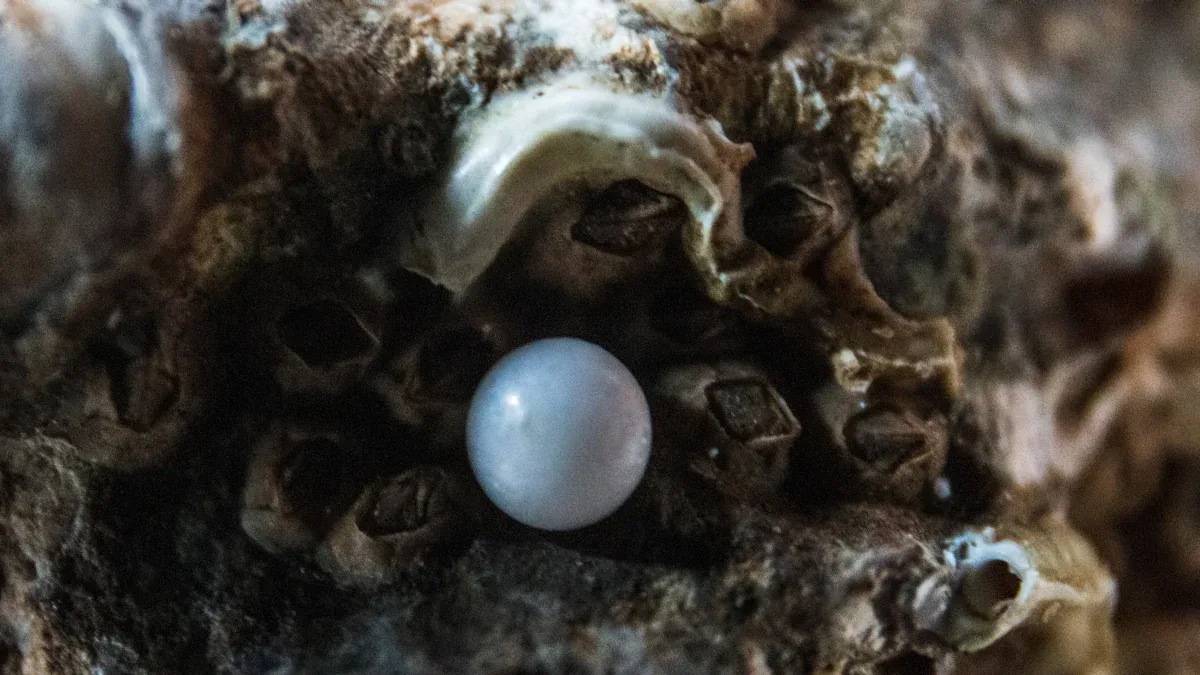
You face a real challenge. Many makers claim to be reliable. How do you tell which mop and pearl jewelry makers you can trust? True reliability depends on facts you can check, not pretty ads. This article gives you a practical checklist. You can use it to make a smart choice when buying pearl jewelry. The checklist covers key areas like where pearls come from and how they are made. It also covers honesty and customer help. These are the top tips for finding the best value in pearls. You will learn to judge each maker’s pearl quality fairly. Look for clear proof of quality in every pearl piece. This plan turns a gut feeling into a sure decision. You become a partner in the process, not just a jewelry buyer. When you seek out reliable MOP and pearl jewelry makers, you gain confidence in every purchase.
Check where pearls come from. Ask for proof, like lab certificates.
Learn the seven value factors. They determine pearl quality and cost.
Look for careful settings and consistent quality. Good makers use sterling silver.
Check reviews and return rules. They reveal how honest and helpful a maker is.
Ask questions. Reliable makers answer quickly and clearly.
You must check where pearls come from before trusting a maker. Reliable mop and pearl jewelry makers work directly with pearl farms or trusted suppliers. They openly share where their pearls come from. You should get clear answers about whether pearls are Akoya, Freshwater, or Tahitian. If a maker gives a vague answer like "overseas," be suspicious.
You can test authenticity in several practical ways. The table below shows how to check Tahitian pearls specifically, since fakes appear often in the market.
Verification Method | How to Apply | Red Flag / Warning |
|---|---|---|
Overtone check | Look at the pearl's color shift as you change viewing angle; real Tahitian pearls show depth and angle-dependent shifts. | A flat, uniform color that looks the same from every side suggests dyed freshwater. |
Lab certificate | Ask for a lab report from a known body such as GIA. | A shiny 'certificate' from an unknown shop, or a QR code leading to a dead site, proves nothing. |
Price check | Compare the price against market norms; real Tahitian pearls are about ten times more expensive than freshwater. | A 'Tahitian' pearl priced like freshwater (e.g., $50) is almost certainly a fake. |
Size and grade scrutiny | Check size with a millimeter gauge and question perfect-round large pearls at low prices. | A 12 mm perfect-round Tahitian at a low price is suspicious; real top-grade in that size is rare and priced accordingly. |
These checks apply to all types of pearls. You should ask about the origin of every piece you consider. A trustworthy maker will answer without hesitation. They will also explain why origin matters for the final value of your jewelry.
You need to understand the pearl grading system to judge quality fairly. Most reputable makers use the seven value factors to judge every pearl. These factors determine the quality from entry-level to top-tier. A reliable maker can explain how each pearl ranks according to these factors. They will also describe the seven value factors that determine a pearl's worth.
Factor | Impact on Price |
|---|---|
Luster | Strong, mirror-like shine increases value; dull luster decreases it. |
Shape | Perfectly round pearls are rare and command the highest premium. |
Color | Rare colors (e.g., creamy rose, deep gold) are highly prized and priced higher. |
Surface Quality | Smooth, clean surfaces cost more; blemishes reduce value. |
Nacre Thickness | Thick nacre improves luster and longevity, raising value; thin nacre lowers it. |
Size | Larger pearls are rarer and become exponentially more valuable as size increases. |
Matching | Well-matched pearls in strands/sets enhance elegance and overall value. |
These seven value factors apply to both natural and cultured pearls. Experts use them to judge every pearl. Natural pearls, formed in the wild, are very rare and often have thicker nacre, which can make them more valuable even if their shape is not perfect. For cultured pearls, uniformity and high quality across all seven factors matter most. Luster is the most important factor for both types, but rarity and nacre thickness play a bigger role in natural pearls.
You should ask a maker to walk you through these factors for any piece you consider. A reliable maker will explain how luster, surface, shape, size, color, nacre, and matching affect the final value. They will show you why a pearl with strong luster and clean surface commands a higher price. They will also tell you honestly when a pearl has minor blemishes that lower its grade. This transparency signals a maker who cares about your trust, not just a quick sale. The pearl grading system exists to protect you as a buyer. Use it as your guide.
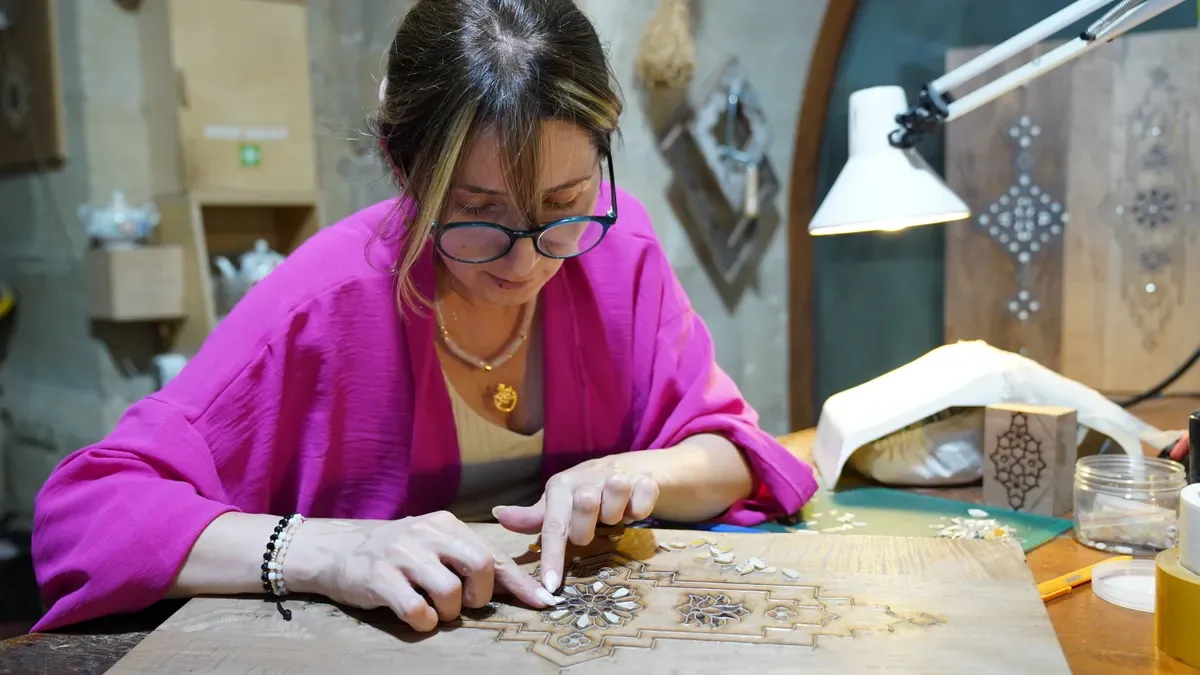
You can tell how much a maker cares about quality by looking at how they set each pearl and piece of Mother of Pearl. Trustworthy mop and pearl jewelry makers use quality metals as their base. This metal choice matters for a few reasons. The metal is strong and holds stones firmly. A maker who picks this material shows they care about the lasting quality of your purchase.
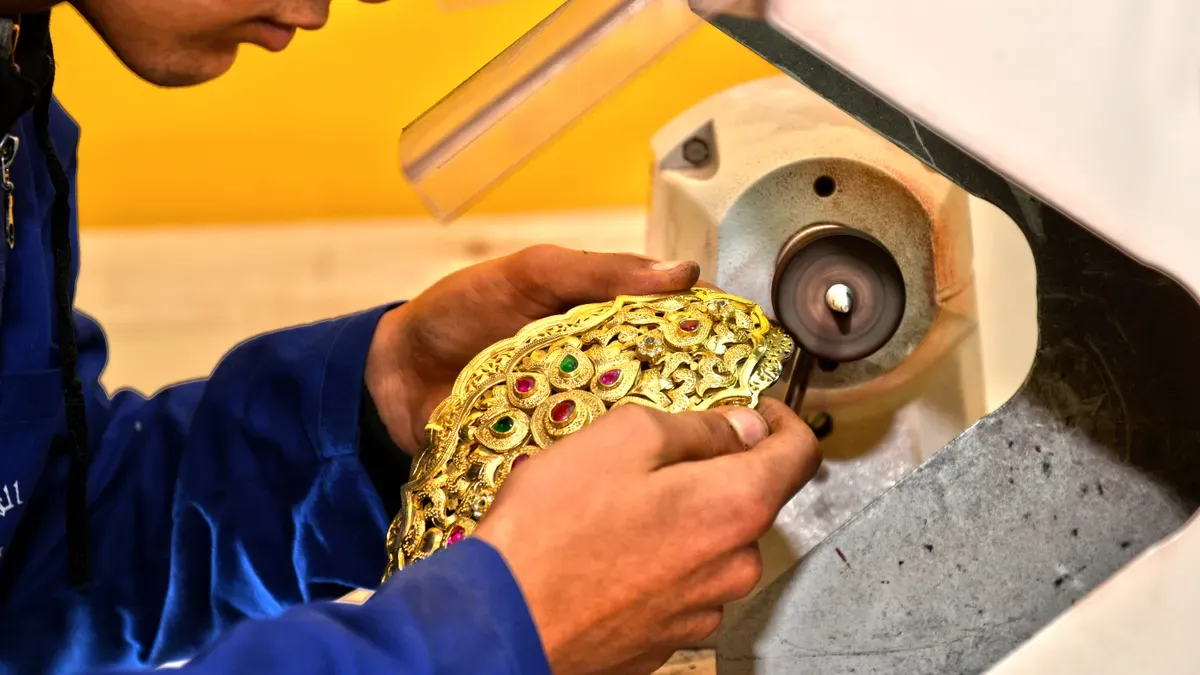
Take a close look at the setting work. Skilled artisans craft each piece by hand with great care. They place every pearl so its best side faces outward. They set prongs evenly around the stone. They polish the silver until it is smooth and highlights the pearl's natural shine. These small details show the maker's skill. A rushed setting has uneven gaps or loose stones. A careful setting looks balanced and symmetrical.
You should also check how the maker deals with the natural differences in Mother of Pearl. Every shell piece has its own pattern and color. A reliable maker welcomes these differences instead of hiding them. They choose shell pieces that fit the overall design. They match each MOP piece with a pearl that makes it look better. This kind of pairing takes experience and a good eye for what looks right.
The quality of the metal adds another benefit. Many collectors have sensitive skin. A maker who uses high-quality metals removes this problem. You can wear their pieces every day with confidence. This practical advantage shows they understand what collectors really need.
Natural differences make each MOP piece one of a kind. But a reliable maker keeps the whole collection at a high level. You should expect the same finish quality across all pieces. The silver should have the same polish. The settings should show the same care. The pearls should meet the same grade standards.
You can test this by looking at several pieces from the same collection. Compare the shine of different pearls. Check the surface quality of each stone. Look at how well colors match within sets. A reliable maker keeps these factors steady across their product line. They do not let quality drop between popular items and less-known pieces.
The seven value factors apply here as well. Luster, surface, shape, size, color, nacre, and matching all matter. A reliable maker uses these factors the same way every time. They do not offer a beautiful necklace but a poor ring in the same collection. They keep the same nacre thickness across their pearls. They pick stones with similar surface quality. They match colors carefully within each set.
Durability also matters for consistency. Each piece should handle regular wear. The silver should resist tarnishing with proper care. The pearls should stay firmly in place. The MOP should keep its shiny glow. A maker who tests their products ensures this reliability. They stand behind every piece they sell.
You can ask a maker about their quality control process. A reliable maker will explain their inspection steps. They will describe how they check each piece before shipping. They will share their standards for acceptable flaws or color changes. This openness builds trust. It shows they have nothing to hide.
The mix of handcrafted details and steady standards creates lasting value. You get a unique piece that still meets high expectations. The natural beauty of each pearl stands out. The careful work supports that beauty. Together, these elements create pearl jewelry you can enjoy for years. A reliable maker delivers this experience with every purchase.
You should know exactly what you are paying for. A reliable MOP and pearl jewelry maker tells you everything before you buy. They explain the price clearly. They tell you which pearls they use and where they come from. They also share what their products cannot do. For example, they give you specific care instructions for Mother of Pearl. These instructions protect your jewelry and show the maker is honest.
Care instructions are important because MOP is delicate. Never use harsh cleaners, scouring pads, bleach, or ammonia on your jewelry. These chemicals damage the nacre layer and cause permanent color loss. Instead, clean your jewelry with warm water and a drop of mild soap without phosphates. Dip a soft cloth, wring it out, and gently wipe the surface. Do not soak the jewelry. Too much water weakens the glue that holds the pearl. After cleaning, use a dry cloth to remove water. Store each piece separately in soft-lined boxes or cloth pouches. Keep them in a cool, dry place away from sunlight and temperature changes. Put on your MOP jewelry last after you apply makeup or lotion. Remove it before exercise or sports. These simple steps keep your jewelry beautiful for years.
A reliable maker also talks about certifications openly. They explain what the certificates prove and what they do not. In the U.S., FTC rules say sellers must tell if pearls are natural, cultured, or fake. Sellers must not call synthetic or freshwater pearls Tahitian. This rule gives you a legal right to ask for the true origin. You can report false claims to consumer protection agencies. A trustworthy maker is happy to be checked.
You should ask for certifications for any expensive pearl purchase. A GIA pearl report shows the pearl's type, where it came from, what mollusk made it, and any treatments. This report is solid proof of where the pearl came from.
You can test a maker's knowledge by asking questions. Send them a question about pearl quality or where they come from. See how long they take to answer. A reliable maker answers fast and correctly. They explain the seven value factors without delay. They describe how luster, surface, shape, size, color, nacre, and matching affect the price. They also explain the differences between natural and cultured pearls.
Feature | Natural Pearls | Cultured Pearls (Real) | Imitation Pearls (Fake) |
|---|---|---|---|
Origin | Wild Mollusk (Accidental) | Farmed Mollusk (Human-assisted) | Factory (Man-made) |
Formation | 100% Natural Process | Natural Process, Initiated by Humans | Artificial Coating on a Bead |
Material | Solid Nacre | Solid Nacre or Nacre Around a Nucleus | Glass, Plastic, Ceramic |
Rarity | Extremely Rare | Widely Available | Mass-Produced |
Value | Very High (Collector's Item) | Varies (Accessible to High-End) | Low (Costume Jewelry) |
Knowledgeable makers use simple comparisons. They compare cultured pearls to farm-grown fruit. Both are real fruit, just grown in different ways. They explain that cultured pearls are 100% real. Real oysters make them with real nacre. The process is the same as natural pearls. The only difference is that people start the process instead of it happening by chance. They also say that natural pearls are not always better. Natural pearls often have flaws. Top cultured pearls are often better than average natural ones. This detail shows you a maker who knows their craft. It also shows they respect you as a collector. How fast they answer is a direct test of their customer service and knowledge.
Star ratings only show a small part of the picture. You need to read the full reviews to learn a maker's true reputation. Look for comments about packaging quality and shipping speed. These details show how much care a maker puts into every order. A collector who gets a damaged pearl from bad packaging will remember that. A maker who wraps each piece well shows they respect your money.
You should also see how the maker handles negative feedback. A reliable maker deals with complaints directly and professionally. They offer fixes instead of excuses. They thank the reviewer and explain what they will improve. This honest response shows a business that cares about long-term relationships, not just quick sales. Community standing grows from this kind of honest talk. You can find these talks on forums, social media groups, and review sites for pearl collectors.
Pay attention to repeat customers. When collectors come back to the same maker for more purchases, that says a lot. These returning buyers trust the maker's steady quality. They know what to expect from each pearl they order. You can ask these collectors about their experiences. Their answers will give you real insights you cannot find anywhere else.
A reliable maker backs their work with clear policies. You should read the warranty terms before you buy. A fair warranty covers flaws in workmanship and materials. It shows the maker believes in their product's strength. You should also check the return policy carefully. High-value pearl jewelry needs a simple return process.
Watch for these red flags in any return policy:
High restocking fees that cut into your refund
Very short return periods under 14 days
Store credit only instead of full refunds
Confusing or hidden terms in fine print
These warning signs suggest a maker who does not trust their own products. A reliable maker offers a clear return window. They give you enough time to check your pearls at home. They process refunds without long waits. They also explain their exchange policy in writing before you commit.
The best makers treat returns as a normal part of business. They understand that a pearl might look different in person. They accept that color or size might not match what you expected. They handle these situations with care and speed. This after-sales support protects the value of your purchase. It also builds trust for your next order. When you find a maker with fair policies and strong community standing, you have found a partner for years of pearl collecting.
You now have a useful checklist for pearls. Look for strong sourcing, careful craftsmanship, clear honesty, and good support. Reliable mop and pearl jewelry makers do well in all these areas. Use the seven value factors to judge quality. Check each pearl's shine, surface, and shape. These factors decide the pearl's value. A trustworthy maker tells you about their methods and backs their products. They see you as a long-term partner. This plan turns trust into a choice you can check. You feel sure and ready. The beauty of these pearls and MOP becomes something you both enjoy. Every jewelry piece shows top-quality pearls. You can check every claim with confidence. The right maker is happy to share their methods.
The right maker is proud to share their methods, stands behind their products, and treats the collector as a long-term partner.
Seven value factors decide pearl quality. They are luster, surface, shape, size, color, nacre, and matching. The grading system shows the total value. Always ask a maker to explain each factor.
Pearl prices depend on rarity and quality. Different pearl types sell for different amounts. Where a pearl comes from changes its value. The grading system helps you compare prices. Tahitian pearls cost more than freshwater ones because they are rarer.
Natural and cultured pearls form in different ways. Natural pearls form with no human help. Cultured pearls start with human help but are still 100% real. Both are genuine. Only the formation process is different.
Look for certifications from known labs like GIA. These reports confirm the pearl's type and treatments. A reliable maker provides this documentation without hesitation.
Clean your MOP jewelry with a soft damp cloth. Avoid harsh chemicals that damage the nacre. Store pieces separately to protect the surface. Proper care preserves the color and shine of each pearl. This answers how much pearls are worth over time.


 EN
EN
 English
  Italian
  Spanish
  Ukrainian
  Japanese
  Norwegian
  Portuguese
  Korean
  Russian
  French
  Danish
  German
  Arabic
  Back to List