Your jewelry retail business depends on suppliers who give you steady quality and fair prices. A strong supplier protects your product quality, earns customer trust, and keeps your profit margins safe. A weak one brings scams, late shipments, cheap materials, and ethical problems that hurt your reputation.
You need partners who are trustworthy, competitive, and match your brand values. So how do you find them? This guide walks you through a clear process. You will learn to assess your needs, research the market, check candidates, evaluate Jewelry sourcing solutions, and build lasting partnerships. Each step helps you avoid costly mistakes and secure reliable jewelry suppliers for the long term.
Figure out what you need to source first. Know your niche and set clear rules for suppliers.
Look into suppliers at trade shows and online directories. Check their certifications and ethics.
Ask for samples and see how well they communicate. Good suppliers reply fast and are honest.
Talk about prices, minimum order amounts, and payment plans. Set rules for quality checks and shipping.
Create lasting business friendships. Work with suppliers like they are teammates, and grow your way of finding products.
First, figure out your product niche. Do you sell fashion jewelry, fine jewelry, or bridal pieces? Each type needs different materials, skill, and prices. Your niche affects every decision about where to get jewelry.
Market research helps you define this niche with confidence. Look at your sales records, customer feedback, and CRM systems. Run surveys or focus groups to learn what buyers want. Online tools like Google Analytics can show which product pages get the most visits.
Estimate how much you need to order based on sales guesses. If you plan to start a bridal line, think about what people want. The bridal jewelry market was worth $35.5 billion in 2026 and is expected to reach $55.0 billion by 2033. It grows at 6.5% each year. This growth shows steady demand for bridal pieces.
Market | Year | Market Size | Projected Size | CAGR | Period |
|---|---|---|---|---|---|
Bridal Jewelry | 2026 | $35.5B | $55.0B (2033) | 6.5% | 2026-2033 |
Write down your must-have rules before you contact any supplier. Material quality comes first. You need suppliers who use real metals, conflict-free stones, and strong finishes. Ethical sourcing matters too. Your customers care where their jewelry comes from, so should your suppliers.
Lead times, minimum order quantities (MOQs), and flexible pricing also belong on your list. A supplier with a 90-day wait may not work for a fast-fashion brand. A high MOQ can hurt your cash flow if you run a small shop.
Clear rules prevent wasted time. You can compare suppliers fairly instead of using gut feelings. This step also protects your brand’s good name. When you know what you need, you avoid settling for less.
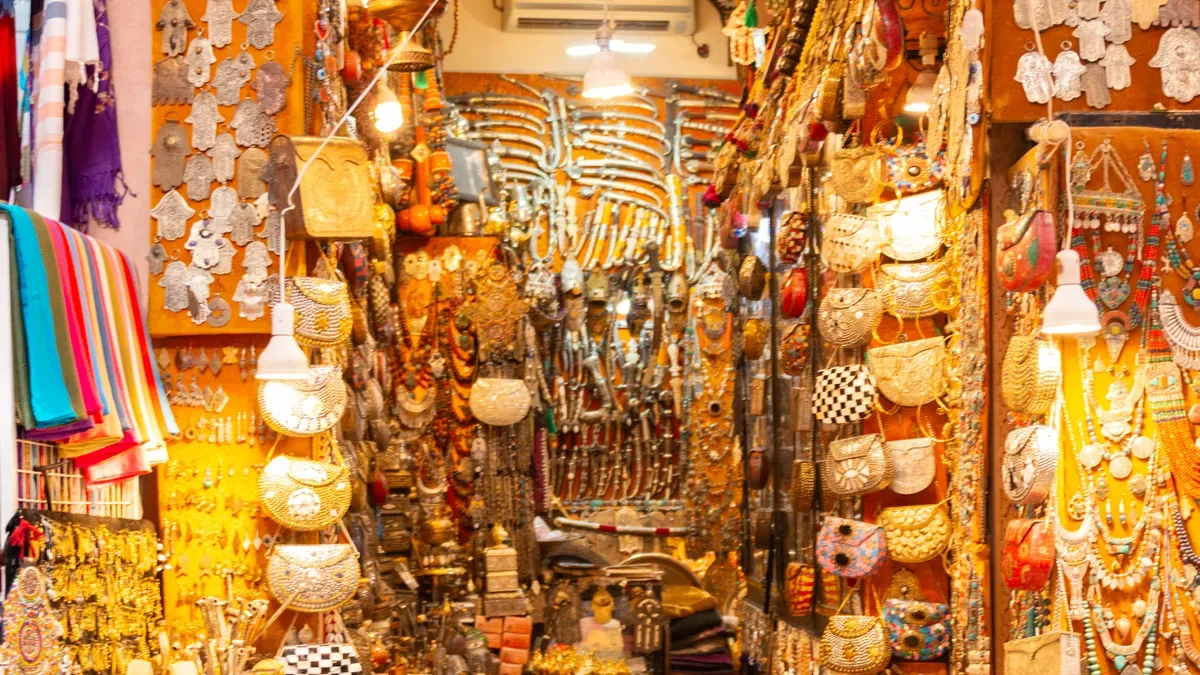
Begin your search in places where jewelry people meet. At trade shows, you can meet wholesale jewelry suppliers in person. You can touch samples, ask questions, and check quality right there. Big events like JCK Las Vegas and the Hong Kong International Jewellery Show bring thousands of sellers each year. Walk around with your list of needs. Compare one booth to another. Meeting in person is better than looking online.
B2B websites give you another way. Alibaba, Global Sources, and the Jewelers Board of Trade put you in touch with jewelry sellers worldwide. You can filter by area, material, and order size on these sites. You can buy wholesale jewelry from sellers who show their certifications and factory photos. Online directories like ThomasNet and Kompass also help you find sellers. They list contact info, product types, and company histories.
When you buy wholesale jewelry, always ask for a business license and tax ID. Real wholesale jewelry sellers will give you these papers without delay. This quick check stops many scams before they take your time.
Perfect Design is a good example of a company that does well at trade shows. The company goes to many industry events and keeps up with the latest trends. Being seen like this helps buyers find a supplier they can trust.
Your contacts are a great resource for finding suppliers. Ask other store owners who they trust. A recommendation from a peer is better than any ad. Join groups like the Jewelers Vigilance Committee or the Women's Jewelry Association. These groups link you with trusted jewelry makers and share checked contact lists.
Social media groups give another way. Facebook groups for jewelry sellers and LinkedIn groups for wholesale jewelry are full of tips. Ask a question about fine jewelry wholesale choices. You will get honest answers about wait times, quality, and payment rules. Reddit's r/jewelry and r/smallbusiness also have talks about finding suppliers.
Trade magazines and online directories also help with your search. Sites like Jewelers of America and the Manufacturing Jewelers and Suppliers of America keep lists of members. These lists focus on fine jewelry wholesale and often show audit results. You can find jewelry makers who follow strict ethical rules.
Also go to local gift shows and jewelry expos. Smaller events let you spend more time with each seller. You can talk about fine jewelry wholesale prices without a crowd around. Make a short list of trusted wholesale jewelry sellers from all your sources. Then check them against your needs.
Perfect Design goes to trade shows and makes global contacts there. Being active like this shows a supplier cares about relationships, not just sales. Use these networks to find jewelry makers who share your values. A good start here saves months of trying to figure things out later.
Reliability is more than just delivering on time. A good partner gives you steady quality, follows ethical rules, talks openly, and shares new ideas. You need to check each supplier against these standards before you agree to work with them.
Start with certifications. They show that a supplier meets outside rules, not just its own promises. The Responsible Jewellery Council (RJC) is the top jewelry industry group. It has more than 1,200 member companies across the supply chain, from small mines to stores. Its Code of Practices tells members to follow steps on human rights, the environment, and honesty. Auditors only certify members who follow these rules.
Other programs are important too. Tiffany & Co. asks its mining suppliers to get certified by the Initiative for Responsible Mining Assurance (IRMA). IRMA is the first independent standard for responsible mining at large sites. IRMA audits started in 2019.
Outside auditors add more trust. SCS Global Services gives full checks to lower risk for your brand and supply chain.
SCS Global Services gives full checks to lower risk to your brand and supply chain. Their work helps find ways to improve for lasting growth. With a global reputation for great service, their staff for LBMA and LPPM audits provide the most complete certification process.
Perfect Design shows what certified production looks like. The company has SMETA, RCS, and Technical Evaluation certifications. These show a true promise to responsible practices. Perfect Design also gives full insurance to all workers and cares for the environment. This builds supplier trust you can check.
Check certifications with the group that gave them. Ask for the real paper, not a spoken promise. Look for the Kimberley Process for diamonds and gem lab reports for colored stones. Check carat, color, clarity, cut, and where they came from. Confirm the report number with the lab. Missing steps in the chain of custody are a warning sign. Digital records and blockchain improve sourcing openness.
Samples show the real product quality. Order from a few wholesale jewelry suppliers and compare them. Check skill, materials, and how even they are. Test gold purity with simple methods. A magnet test finds magnetic metals like iron. Real gold does not stick to a magnet. Look for karat stamps like 10K, 14K, 18K, or 24K, plus a maker's mark. An XRF test gives a full breakdown and exact karat without harming the piece. Acid testing tells you the karat range but scratches the item.
Communication is just as important. Send questions at different times of day. See how quickly each supplier responds. Ask how they solve problems. A partner who answers fast and clearly will help you later.
Watch for warning signs. Vague answers mean trouble. No certifications, not wanting to give samples, or pushing you to pay upfront are risky. Trusted makers welcome your questions. They know that being open protects their name and yours.
Track how well they do over time with clear numbers. On-time delivery rate equals on-time deliveries divided by all deliveries, then times 100. A score of 97 to 99 percent is great. Return rate equals returns divided by items sold, then times 100. Online stores usually see 5 to 12 percent returns. These numbers help you hold your wholesale jewelry suppliers responsible.
Price talks with wholesale jewelry suppliers often begin with minimum order quantities. A high MOQ ties up your cash and fills your stockroom with items that sell slowly. Ask each supplier for their MOQ range and compare it to your sales projections. If you run a small shop, look for wholesale jewelry suppliers who offer lower MOQs or tiered pricing. You can also negotiate a smaller first order as a trial run.
Payment terms matter just as much as the unit price. Net 30 means full payment is due within 30 days of delivery. This is the normal way wholesale deals work. Net 60 and Net 90 give you more time to sell, but suppliers usually save these for big buyers who always pay on time. New or custom orders often need a 30–50% deposit, with the rest due before shipment. Some suppliers offer an early payment discount, like 2/10 Net 30, which gives you 2% off if you pay within 10 days.
61% of business buyers use trade credit as their main wholesale payment method, showing that net terms are the backbone of how wholesale jewelry moves through the supply chain.
You need clear quality control rules before the first order ships. Agree on inspection protocols with your wholesale jewelry suppliers. Put your acceptable defect rate in writing. Ask about return policies for flawed items. A supplier who avoids these talks will likely cause problems later. Set a schedule for pre-shipment inspections. This step protects your brand and your customers.
Logistics covers shipping methods, lead times, customs, and insurance. Air freight moves fast but costs more. Sea freight saves money but adds weeks. Ask each supplier for their standard lead times and compare them to your restocking schedule. Confirm who handles customs paperwork and duties. Insure every shipment against loss or damage. A reliable supplier like Perfect Design offers a complete resource procurement system and experienced craftsmen to ensure quality and speed. These jewelry sourcing solutions help you avoid delays and protect your margins. When you evaluate fine jewelry wholesale options, always weigh total landed cost, not just the unit price. Strong jewelry sourcing depends on these details.
Good jewelry suppliers are true partners, not just sellers. You put in time to build trust, talk openly, and grow together. This way of thinking turns a single deal into a lasting bond. When you treat suppliers as friends, they put your orders first and help you fix problems.
Keep your relationships strong with regular check-ins. Share your thoughts on product quality and what is selling. Plan new collections together so your supplier gets your vision. Strong ties lead to better deals. Suppliers may give you bulk discounts or let you pay later to help your cash flow. They might offer good credit terms or give you first pick when supplies run low. A supplier who helps you get through a slow season earns your loyalty back. This back-and-forth support is what a real long-term partnership looks like.
As your business gets bigger, your sourcing has to grow too. Start by adding backup suppliers. Get your goods from different countries like Turkey, Thailand, India, or Mexico. This lowers your risk and stops you from depending on just one place. You can also get better prices as you order more. Look into new markets to find materials or designs that make your brand stand out.
Keep your profits safe from gold price changes. Use money tools like futures or forward contracts to lock in prices. Match your inventory buys to your sales cycle as a way to play it safe. For pricey gold items, think about consignment or memo deals. You pay for stock closer to when you sell it, which cuts the risk of holding costly items.
Perfect Design shows what a solid partner looks like. With over 20 years of know-how and certifications in SMETA, RCS, and Technical Evaluation, the company helps brands grow through sustainable practices. Teaming up with a supplier like this helps you build supplier relationships that last. Their focus on quality and speed gives you an edge over others.
You now have a clear path to reliable jewelry suppliers. Define your needs first. Research trade shows and B2B platforms. Vet each candidate with certifications and sample orders. Negotiate pricing, MOQs, and payment terms. Then manage quality control and logistics with care.
Treat your suppliers as partners. Invest time in trust and open communication. Start with small test orders. Scale up as the relationship grows stronger.
A strong supplier network gives you a real edge. It supports your growth and keeps customers coming back. Build those ties today, and your retail business will thrive for years.
Look for third-party certifications like SMETA, RCS, or Technical Evaluation. Ask to see real papers, not just hear spoken promises. Order samples and see how fast they reply. Trusted suppliers answer your questions clearly and are happy to be checked. Answers that avoid the point or push you to pay upfront are red flags.
Look for SMETA, RCS, and Technical Evaluation certifications. These show a supplier follows ethical and responsible manufacturing rules. The Responsible Jewellery Council also has a Code of Practices for its members. Always check certifications with the group that gave them out.
Start with one or two trusted suppliers for your main products. Add backup suppliers as your business gets bigger. This lowers your risk and keeps you from relying on just one source. You can also get better prices when you order more.
MOQs are different for each supplier and material. Ask each supplier for their range and compare it to what you expect to sell. Look for suppliers who offer lower MOQs or tiered pricing. You can also work out a smaller first order as a test run.
Treat your supplier as a partner, not just a seller. Set up regular check-ins and share what you think about product quality. Plan new collections together. Strong ties lead to better deals, like bulk discounts or flexible payment terms. A supplier who helps you get through a slow season earns your loyalty.


 EN
EN
 English
  Italian
  Spanish
  Ukrainian
  Japanese
  Norwegian
  Portuguese
  Korean
  Russian
  French
  Danish
  German
  Arabic
  Back to List