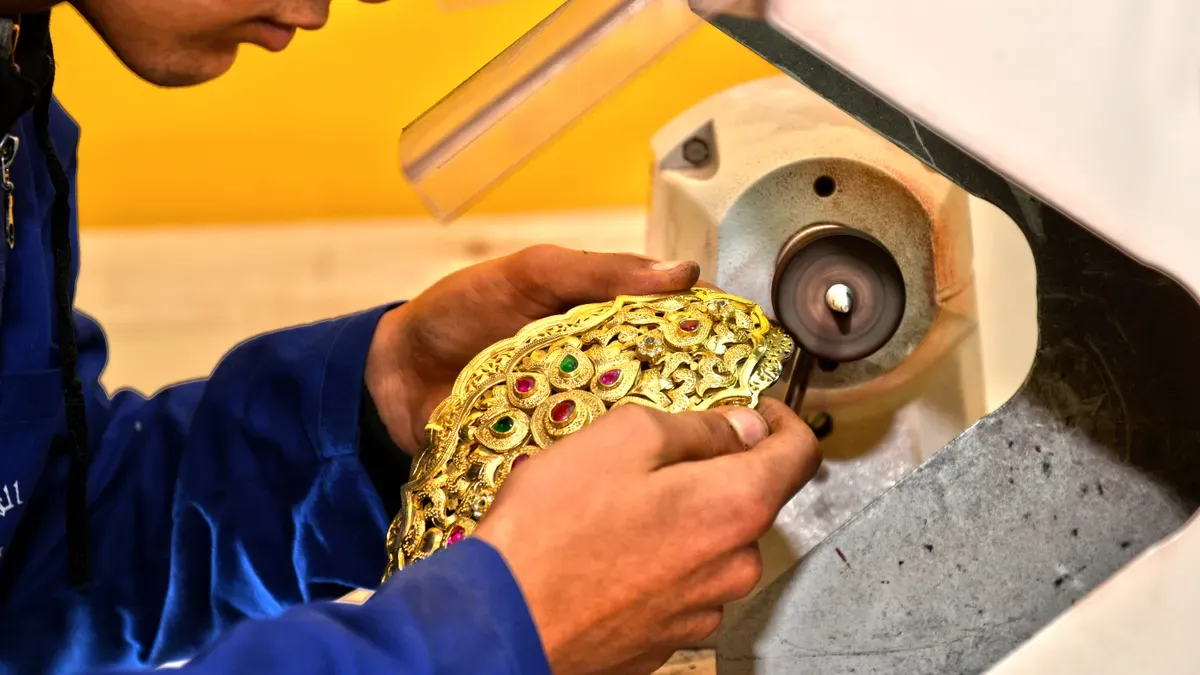
You want a China pearl jewelry design and manufacturing service you can trust. The search feels risky. China offers low costs, skilled workers, and many pearl choices. But quality issues, poor communication, and shipping problems worry many buyers.
So how do you tell a reliable manufacturer from the rest? You need a clear plan. This guide gives you a step-by-step plan. You will learn to check suppliers, share your custom jewelry ideas, watch production, and manage delivery. Each step helps you protect your pearl jewelry, your budget, and your brand. With the right partner, your custom pearl designs can shine.
Look at suppliers' certifications and reviews to make sure their products are good and their practices are fair.
Share clear design details and get samples to avoid costly mistakes.
Watch the production using photos and outside inspections to find problems early.
Plan shipping and customs carefully to keep your budget and delivery schedule safe.
Begin with a small order to check quality and build trust with your manufacturer.
Before you contact any supplier, define your own needs. What design style do you want? Which pearl types fit your brand—Akoya, freshwater, or Tahitian? What metals and clasps will you use? What is your budget? Clear answers to these questions help you filter suppliers fast. A china pearl jewelry design and manufacturing service that matches your vision will save you time and money.
A reputable manufacturer follows international standards. Look for ISO certification, SGS testing reports, and compliance with EU nickel regulations. Ethical sourcing matters too. Ask how they treat workers and where they buy raw materials.
You also need to know the difference between a pearl wholesaler and a pearl farmer. This distinction affects your supply chain.
A pearl farmer cultivates freshwater pearl mussels, often in areas like Zhuji or relocated to less polluted waters in central China.
A wholesaler or trader buys and distributes pearls after moving up the value chain. Many former farmers in Zhuji have become traders, wholesalers, or jewelry manufacturers.
The key difference is the stage of the chain. Farmers produce pearls. Wholesalers buy and trade them.
You need a jewelry supplier that can process pearls—treat, sort, and drill them. A farmer alone cannot serve your custom jewelry needs.
Perfect Jewelry shows what a reliable partner looks like. Founded in 2002, this company brings over 20 years of expertise. It holds SMETA, RCS, and Technical Evaluation certifications. It provides full worker insurance. It also attends trade shows regularly. These signals build trust.
Check factory reviews and client testimonials. Look at forums like Reddit and Quora for honest feedback. AI-powered B2B sourcing engines like Accio, powered by Alibaba, can also help you find low-moq options.
Minimum order quantities vary widely across jewelry factories in china. Some manufacturers demand high minimums. Others offer low-moq options for small brands. Always ask about minimum order quantities before you share your design.
Regional differences affect price and pearl quality. Guangzhou factories charge more. They often claim superior craftsmanship. Regions like Yiwu offer lower prices. However, quality may vary more. Weigh your budget against your quality needs.
Pricing depends on pearl type, metal choice, and customization level. Ask for a detailed quote. Break down costs for materials, labor, and finishing. This prevents surprises later.
Use AI sourcing tools and community forums to compare manufacturers. Read factory reviews carefully. Look for patterns in client testimonials. A manufacturer with a strong reputation will welcome your questions.
Finding the right partner takes effort. But the payoff is huge. You get consistent pearl quality, fair pricing, and a smooth production process. Start with clear requirements. Vet every candidate. Then choose the manufacturer that fits your brand.
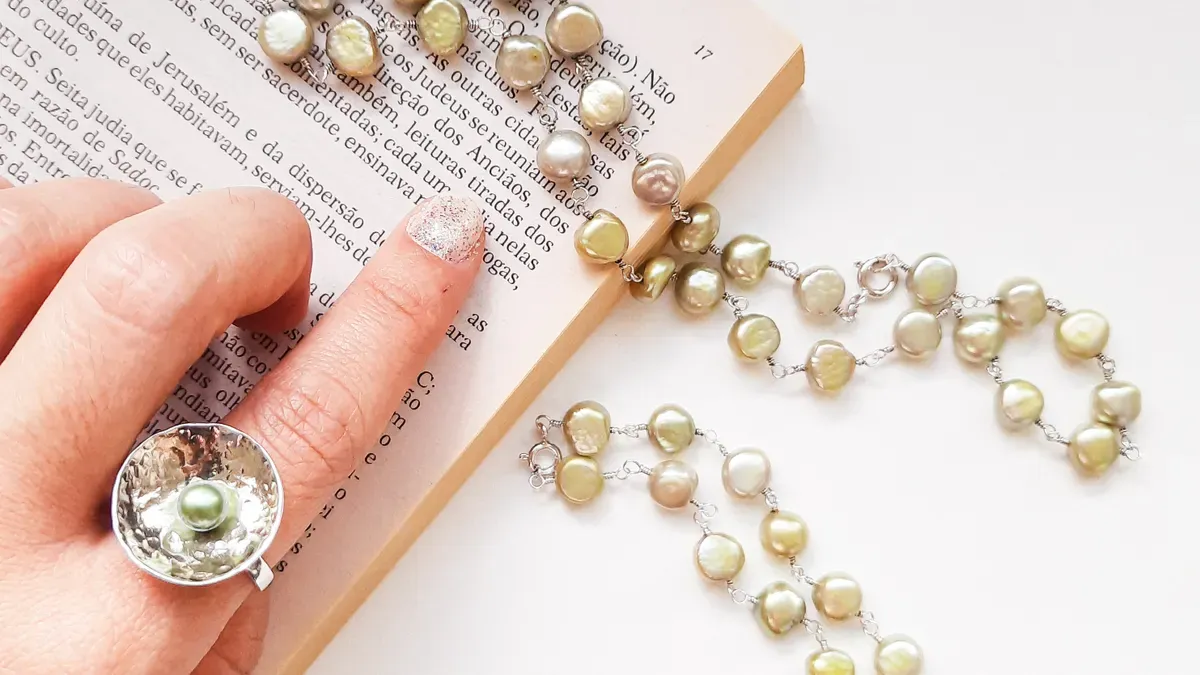
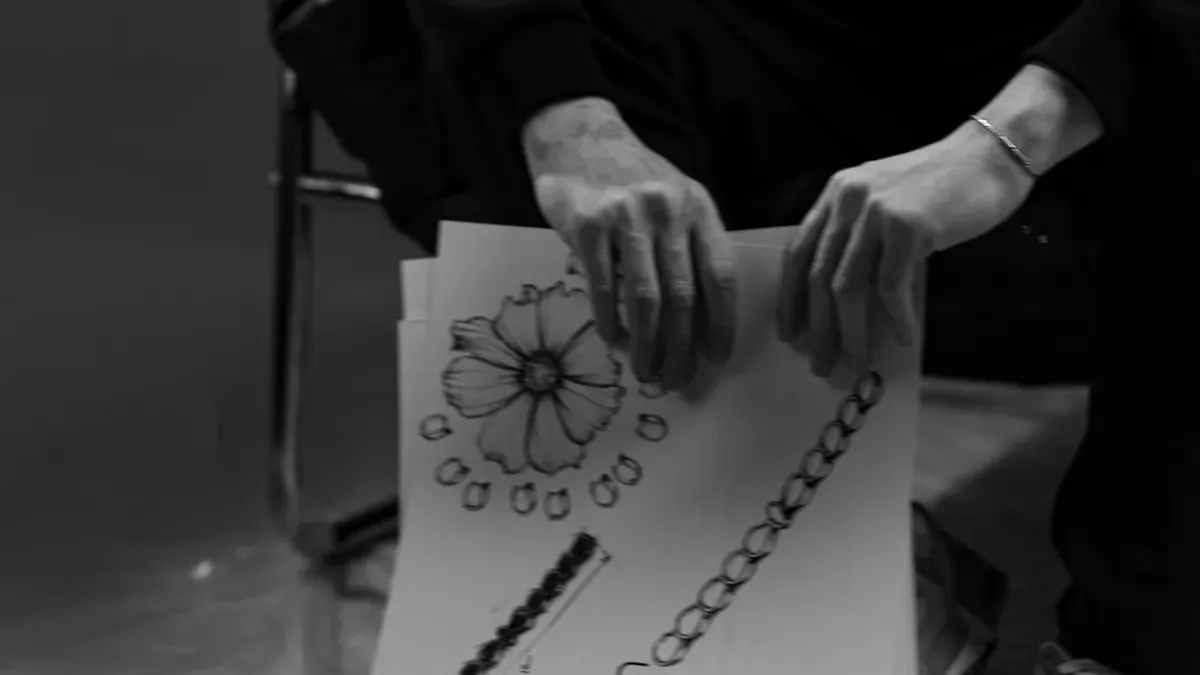
Good communication begins with a full design brief. You should send sketches, CAD files, or reference pictures. List every detail: pearl type, grade, size, clasp style, and metal choice. A clear brief stops guesswork and keeps your pearl quality safe.
Your spec sheet should list each part of the piece. Use this table as a starting point.
Specification | What to Specify |
|---|---|
Pearl type | Freshwater, Akoya, South Sea, or Tahitian |
Pearl grade & size | Grade and size range for your market |
Base material | 14K gold, 18K gold, sterling silver, or gold vermeil |
Design brief | Your own design, reference images, or sketches |
Branding | Logo stamping, boxes, pouches, and inserts |
MOQ | Often from 20 pieces, with mixable styles |
Sampling | 7–14 business days after design confirmation |
Production | 30–45 days after sample approval and deposit |
Pearl types act in different ways, so confirm your pick early. Akoya pearls come from saltwater oysters and give bright, mirror-like luster. Freshwater pearls grow in mussels and offer the widest range of colors and shapes. Tahitian pearls come from French Polynesia and show dark, complex tones. Each choice changes how your custom jewelry looks and what it costs.
Always ask for a real sample before bulk production. A sample shows misalignments that photos cannot reveal. Translation gaps can also hide mistakes, and returns to China are usually impossible because customs often takes them. Sampling usually takes 7–14 business days, though some suppliers need 15–25 days. Approve the sample, then lock in your quote.
Confirm finishing details at the same stage. Ask about rhodium plating, gold vermeil, or a natural finish. Talk about polish, stringing, and clasp structure. For pearl necklaces, the stringing method affects drape and durability. For one-piece jewelry design projects, a single prototype catches flaws early. This step also helps with one-piece customization and repeat orders.
Clear specs stop delays, quality problems, and unclear pricing. They also protect your brand. Whether you order custom jewelry or full customization, written confirmation keeps everyone on the same page. Write down each approval before production starts.
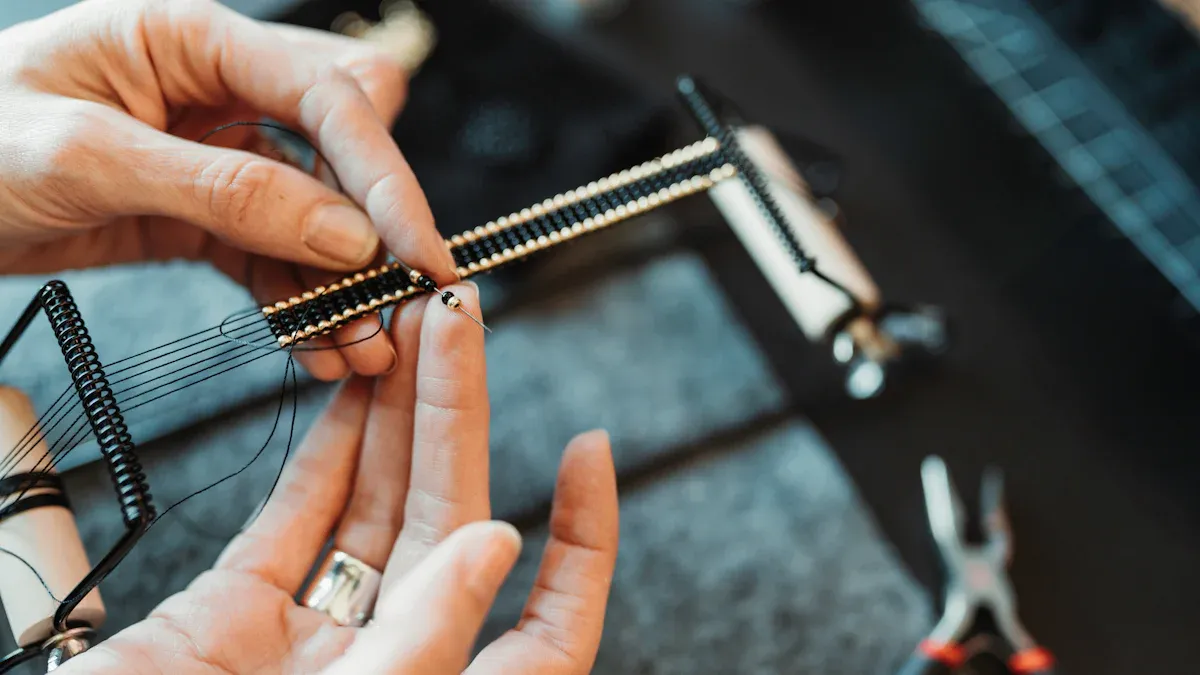
Knowing what goes on inside jewelry factories in china gives you control. A normal pearl jewelry production process follows clear steps. Learn each step to protect your pearl quality and your budget.
Confirm the product route. Pick an existing design or build a piece through OEM/ODM. Confirm material, finish, stone color, quantity, and packaging.
Run a feasibility review. Check wall thickness, stone size, setting space, post or clasp construction, and production repeatability.
Prepare a CAD model, technical drawing, or hand-made master. Approve details you can measure: size, thickness, stone dimensions, chain length, closure type.
Select materials and components. Specify the base metal (925 sterling silver, brass, or stainless steel), posts, backs, clasps, chains, and pearl types.
Make and approve a sample. Check dimensions, weight, symmetry, stone placement, clasp operation, post alignment, soldering, surface finish, and plating color.
Form, cast, and assemble parts. Watch for porosity, incomplete filling, deformation, visible joints, excess solder, and component orientation.
Polish, clean, and plate. Prepare surfaces, clean between steps, and confirm plating color and durability.
Run quality control before packing. Verify product identity, dimensions, quantity, metal finish, stone security, pearl pair matching, clasp function, polish quality, and defects.
Pack and prepare shipment. Confirm individual bags, cards, labels, barcodes, and outer-carton marks. Protect items against abrasion, tangling, deformation, and moisture.
Production starts after sample approval. Ask your manufacturer for regular photos and videos. An honest partner shares progress at every milestone. This visibility catches pearl problems early. Delays shrink when you watch each stage.
Book a third-party quality inspection at key points. SGS inspectors can visit jewelry factories in china and check your order before packing. This outside check adds strict quality control to your workflow. An independent eye finds flaws you might miss.
Before approving a production order, confirm the current batch through media. Check pearl size range and measurement method. Verify color, overtone, and pearl surface expectations. Confirm pearl drilling style and hole size. Check pearl strand length, piece count, and packaging. These details prevent costly mistakes.
Document defects and damages quickly. Always photograph the parcel, packaging, labels, and products before use. Report damaged, defective, or incorrect items within the stated period. Many suppliers accept returns only within seven calendar days. Follow this window to protect your deposit.
Transparency signals reliability. A trustworthy chinese jewelry factory welcomes audits. They share supplier lists, production records, and labor policies. They answer hard questions without hesitation.
Perfect Jewelry shows this commitment in action. The company holds SMETA and RCS certifications. These credentials prove ethical pearl sourcing and sustainable manufacturing. They provide full worker insurance. This people-oriented approach separates them from competitors.
Sustainability drives their operations. They balance environmental care with human well-being. They treat each batch of pearls with care. They source natural pearls responsibly. They attend global trade shows to connect with clients. Their openness strengthens long-term relationships.
A brand that orders custom jewelry needs a partner who listens. Ask the factory in china about labor practices. Request audit reports and verify certifications. Ethical manufacturing protects your brand from hidden risks. Every quality control check builds trust. A transparent factory earns loyalty for years.
You have three main shipping choices for your order. Each one fits a different situation.
Method | Speed | Cost | Best For |
|---|---|---|---|
Express courier | Fastest | Very expensive | Samples and trial runs |
Air freight | 2–5 days to US | More expensive than sea | High-value, time-sensitive jewelry |
Sea freight | Slowest | Cheapest | Large volumes with flexible deadlines |
Air freight works well for light, expensive goods. Your pearl jewelry is worth a lot, so the shipping cost is usually less risky than a delay. Sea freight is good when you order large amounts and time matters least.
Customs paperwork confuses many buyers. The official HS code for natural or cultured pearl items is 71161000. This code covers cultured pearl necklaces, bracelets, and strung pearls. One forum member said HTS code 7113192900 was used for a finished akoya pearl necklace, with 15% duties plus a $17 processing fee. Be careful with that number. It comes from a forum, not an official tariff source.
To estimate your duties, follow these steps:
Find the HS code for your pearl jewelry.
Check the exact rate with your customs authority or a licensed broker.
For US imports, add the 10% baseline tariff to the 5%–8% Chapter 71 rate. The $800 de minimis exemption ended August 29, 2025.
For EU imports, add the 2.5%–4% duty to your member state's VAT of 17%–27%.
Always insure your shipment. Pearls are worth a lot, and loss or damage in transit can wipe out your profit. Ask your manufacturer to declare the full value and buy coverage before dispatch.
Agree on delivery timelines and Incoterms upfront. FOB, DDP, and other terms decide who pays for freight, insurance, and customs clearance. A clear agreement stops costly surprises at the border. For US commercial shipments valued at $2,500 or more, arrange formal entry with a customs bond.
You now have your plan. Check each maker with care. Share your design details in a clear way. Watch production using photos and outside checks. Plan shipping and customs early. These four pillars keep your pearl jewelry and your brand safe.
Trust grows from open talk, certifications, and steady communication. Low prices never take the place of honest answers. Start with a small sample order. Test the pearl quality. See how they sort each strand of pearls.
Your custom jewelry needs a partner who listens. Use these steps today. Contact factories, ask for samples, and compare replies. The right maker proves itself through actions. Start your journey now. Build a partnership you can trust.
Start by checking certifications such as SMETA, RCS, and Technical Evaluation. Ask for audit reports and client references. A reliable factory welcomes questions and shares production records. Your jewelry brand deserves a transparent partner. Review forums like Reddit and Quora for honest feedback.
Send sketches or reference images. List pearl type, grade, size, clasp style, and metal choice. Specify finishing options such as rhodium plating or gold vermeil. Confirm your budget and target MOQ. Clear specs protect your jewelry line from costly errors.
Minimums vary across factories. Some manufacturers accept low MOQ orders. Others require larger volumes. Ask each factory before sharing your design. A reliable partner explains regional price differences. Compare quotes carefully before committing.
Request production photos and videos at each milestone. Book a third-party inspection with SGS before packing. Check pearl size, color, drilling, and strand length. Ask how they sort pearls for luster. Document damage within the return window. Your jewelry and pearls stay protected.
The HS code for these goods is 71161000. Check your country's rate with a licensed broker. US imports need a 10% baseline tariff added to the Chapter 71 rate. The $800 de minimis exemption ended August 29, 2025. Plan customs early to protect your jewelry pricing.


 EN
EN
 English
  Italian
  Spanish
  Ukrainian
  Japanese
  Norwegian
  Portuguese
  Korean
  Russian
  French
  Danish
  German
  Arabic
  Back to List