Custom gemstone jewelry has become an important product category for jewelry brands, retailers, wholesalers, and private-label businesses. Consumers are increasingly interested in jewelry that reflects personal style, combines different materials, and offers more design choices than standard mass-produced collections. For businesses, this creates opportunities to develop distinctive product lines, respond to changing fashion trends, and build stronger customer relationships.
However, developing a successful gemstone jewelry collection requires more than finding attractive stones and placing them in a metal setting. Buyers need to consider gemstone sourcing, design capabilities, material compatibility, manufacturing techniques, quality control, production capacity, and delivery arrangements. Each stage affects the appearance, durability, consistency, and commercial performance of the finished jewelry.
Working with an experienced custom gemstone jewelry supplier can help simplify this process. Instead of coordinating multiple independent vendors for gemstones, accessories, design development, and production, brands can work with a manufacturing partner that understands the complete product development process.
This article explains what B2B buyers should consider when selecting a gemstone jewelry manufacturer, how custom production works, which details should be confirmed before placing an order, and how to develop jewelry collections that meet both customer expectations and business requirements.
A custom gemstone jewelry supplier does more than manufacture jewelry according to an existing drawing. A qualified supplier should be able to support product development from the initial concept through material selection, design confirmation, sample production, mass manufacturing, inspection, and shipment.
For jewelry brands and wholesalers, this integrated service is particularly useful when developing new collections or adapting existing designs for different target markets.
The scope of service may include the following areas.
Gemstone selection is one of the first decisions in custom jewelry development. Depending on the collection's positioning, buyers may work with zircon, natural gemstones, semi-precious stones, diamonds, or other decorative materials.
A supplier with an established procurement network can help buyers identify suitable materials based on:
Stone type and intended appearance
Color, clarity, cut, and overall visual consistency
Available shapes and dimensions
Compatibility with the jewelry design
Required quantities for sampling and bulk production
Material availability for repeat orders
For example, a fashion jewelry brand developing a colorful summer collection may require several gemstone colors in similar cuts and dimensions. A bridal jewelry collection may prioritize a more consistent appearance and carefully selected stones.
A stable sourcing system helps reduce the difficulty of coordinating materials from multiple vendors and makes collection development more manageable.
Custom jewelry projects often begin with reference images, hand-drawn sketches, product samples, or simple descriptions of the desired appearance.
An experienced design team can translate these ideas into workable jewelry structures. CAD development is particularly useful because it allows buyers to review proportions, stone positions, setting structures, and overall dimensions before production begins.
During the design stage, buyers should pay attention to:
Overall jewelry dimensions
Gemstone placement and orientation
Stone-setting methods
Metal thickness and structural support
Connection points and moving components
Wearability and comfort
Manufacturing feasibility
A design may look attractive in a reference image but require structural adjustments before it can be manufactured reliably. CAD review helps identify these issues earlier, reducing unnecessary changes during production.
Sample development gives buyers an opportunity to evaluate a design before approving a larger order.
The sample should be checked for visual accuracy, gemstone positioning, finishing quality, dimensions, weight, and wearing comfort. If adjustments are needed, they should be documented and incorporated into the final production specifications.
After sample approval, the supplier can move into mass production using the confirmed design and material requirements.
For brands that regularly introduce new products, the ability to move from concept development to scalable manufacturing is an important supplier selection criterion.
Gemstones have a direct influence on the visual identity and perceived value of jewelry. Even when two products use the same basic design, differences in stone color, cut, transparency, and surface quality can create noticeably different results.
For B2B buyers, gemstone sourcing should therefore be treated as a product development decision rather than simply a purchasing activity.
Different stones serve different design purposes. The right choice depends on the intended product style, target audience, product positioning, and manufacturing requirements.
Zircon
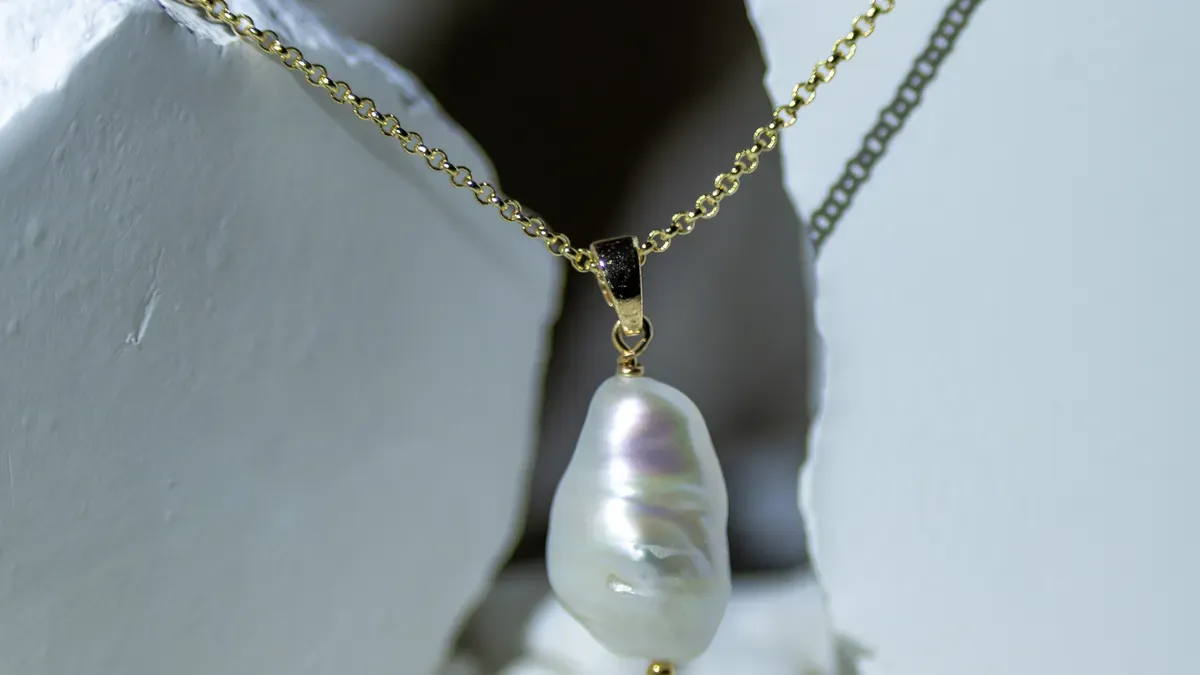
Zircon is frequently used in fashion jewelry because of its attractive appearance and availability in different colors and cuts. It can be incorporated into earrings, necklaces, bracelets, rings, and other decorative designs.
When selecting zircon, buyers should confirm the stone's dimensions, color consistency, cutting quality, and compatibility with the intended setting.
Semi-Precious Stones
Semi-precious stones offer a wide range of natural colors, textures, and visual characteristics. They are suitable for collections that emphasize individuality, color combinations, and distinctive material appearances.
Because natural stones may vary from piece to piece, buyers should establish acceptable variation standards before production. This is particularly important for wholesale orders where visual consistency across a collection matters.
Diamonds
Diamond jewelry requires more specific material and documentation requirements. Buyers should clarify whether the project involves natural or laboratory-grown diamonds, the required grading documentation, stone dimensions, and setting specifications.
If diamond certification is required, the supplier should confirm the applicable documentation and verification arrangements before production.
Colored Gemstones
Colored gemstones can help brands develop recognizable collections around particular colors, seasonal themes, or customer preferences.
For multi-color designs, it is important to confirm how the selected stones will look together. Color matching should be evaluated under consistent lighting conditions, particularly when several stones appear next to one another in the finished product.
A gemstone supplier may offer attractive materials for an initial sample but struggle to maintain the same specifications when the buyer places a repeat order.
This can create problems for retailers and brands that need to replenish successful products.
A stable procurement network helps manufacturers coordinate different stone categories, accessories, and other production materials. It also makes it easier to evaluate alternative materials when a particular stone is temporarily unavailable.
When assessing a custom gemstone jewelry supplier, buyers should ask whether the supplier has established long-term sourcing relationships and how it manages material substitutions.
Material changes should never be made without buyer approval, especially when they affect the product's appearance, value, or advertised specifications.
Many B2B buyers have a clear idea of what they want but do not have detailed technical drawings. This is common among emerging jewelry brands, online retailers, and businesses testing new product categories.
A structured development process helps turn an initial concept into a product that can be manufactured consistently.
Before contacting a manufacturer, collect as much relevant information as possible.
Useful references include:
Product inspiration images
Hand-drawn sketches
Existing jewelry samples
Preferred gemstone types and colors
Metal or base material requirements
Approximate dimensions
Target product positioning
Expected order quantities
Buyers do not need to prepare a complete technical drawing at this stage. However, clear references make it easier for the supplier to understand the intended appearance and identify potential production challenges.
It is also helpful to explain which design elements are essential and which can be adjusted.
For example, the overall shape of a pendant may need to remain unchanged, while the stone arrangement or setting structure can be modified to improve durability.
After reviewing the references, the supplier's design and technical teams can assess whether the concept is suitable for manufacturing.
Several practical questions should be addressed:
Can the selected gemstones be secured properly?
Are the stone dimensions suitable for the proposed setting?
Is the jewelry structure strong enough for regular wear?
Can the design be reproduced consistently?
Are there any complicated components that may affect assembly?
Can the design be adapted for different sizes or colors?
This evaluation is especially important for intricate jewelry designs involving multiple gemstones, small connecting components, or unusual structural shapes.
A manufacturer with an experienced CAD team can propose technical adjustments without losing the main visual characteristics of the original concept.
Once the general design direction is confirmed, CAD drawings can be developed to define the product's structure.
Depending on the project, the drawings may include front, side, and top views, stone dimensions, setting positions, overall measurements, and other manufacturing details.
Buyers should review the drawings carefully rather than approving them based only on the overall appearance.
For example, a ring design may look correct from the top but have an uncomfortable band thickness or an unsuitable stone-setting structure when viewed from the side.
The CAD approval stage should establish a clear technical reference for subsequent sample production.
A physical sample provides information that a digital rendering cannot fully communicate.
During sample evaluation, buyers should examine:
Whether the finished appearance matches the approved design
Whether gemstones are positioned correctly
Whether stones are secure and properly aligned
Whether edges and surfaces are smooth
Whether the product feels comfortable when worn
Whether clasps, links, and connecting components work correctly
Whether the overall dimensions meet the specifications
If changes are required, feedback should be specific.
Instead of saying that a product does not look right, buyers can identify the exact issue, such as an oversized center stone, uneven spacing, excessive pendant thickness, or a setting that changes the intended appearance.
Clear feedback makes revisions more efficient.
Before bulk manufacturing, both parties should agree on the final specifications.
The approved sample, CAD drawings, material information, dimensions, finishing requirements, and inspection standards should form part of the production reference.
This is important because verbal descriptions alone are not sufficient for maintaining consistency across larger orders.
Quality control should cover more than the appearance of the finished jewelry. A product may look attractive in photographs but still have problems with stone security, assembly, finishing, or everyday usability.
For B2B buyers, these issues can result in customer complaints, returns, negative reviews, and additional after-sales costs.
Gemstones should be inspected according to the agreed specifications.
Relevant inspection points include:
Stone color and visual consistency
Cut shape and proportions
Surface condition
Visible chips or cracks
Transparency where applicable
Dimensional accuracy
Correct placement within the setting
Natural stones require particular attention because variations are part of their natural characteristics. Buyers should define acceptable differences rather than expecting every stone to look identical.
For products using multiple stones, manufacturers should also check whether the overall arrangement is visually balanced.
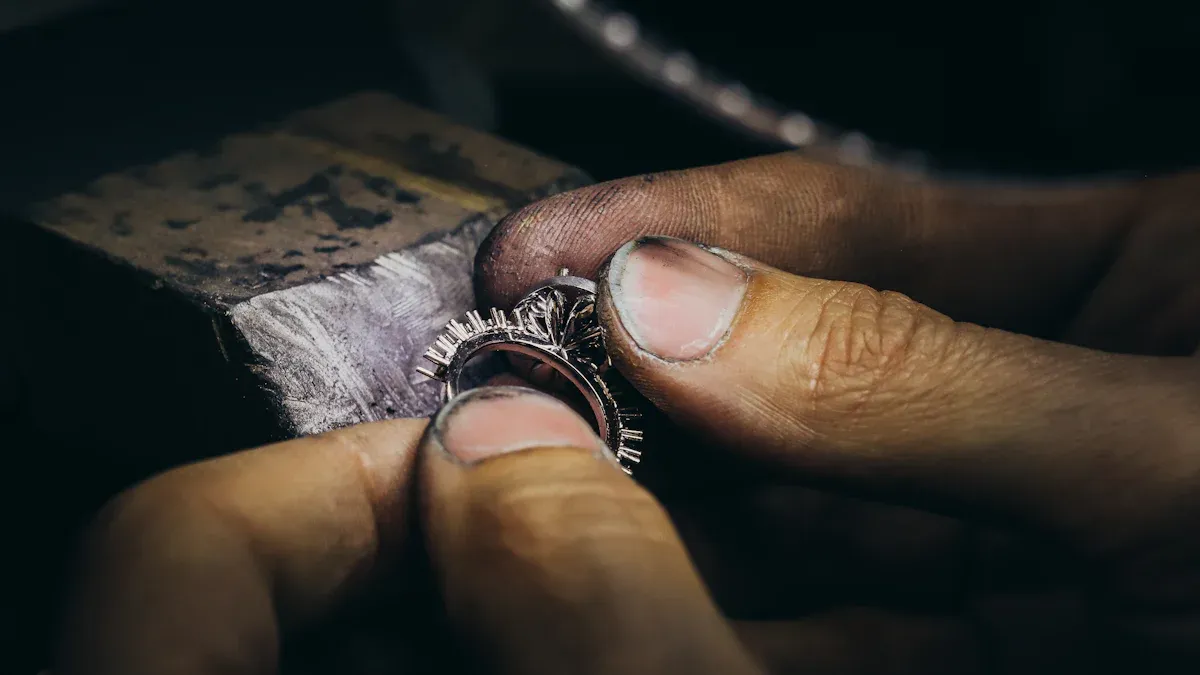
Stone setting is one of the most important structural aspects of gemstone jewelry.
Different designs may use prong, bezel, channel, pavé, or other setting methods. The appropriate method depends on the gemstone, jewelry structure, design requirements, and intended use.
Inspection should consider whether the stones are correctly positioned, whether the setting components are properly formed, and whether there are obvious gaps or loose stones.
For products with multiple small stones, consistent setting quality is particularly important.
The metal components influence both the appearance and durability of the finished product.
Buyers should specify relevant material requirements, including the base metal, alloy composition where applicable, plating or surface treatment, and finishing expectations.
Common inspection points include:
Surface scratches and visible defects
Uneven polishing
Sharp edges
Inconsistent plating appearance
Poorly finished joints
Deformed components
Incorrect dimensions
If a product requires a particular metal composition or plating specification, these requirements should be confirmed before sampling.
Necklaces, bracelets, earrings, and rings may include different functional components.
Clasps, jump rings, chains, earring posts, hinges, and other connections should be checked for proper assembly and operation.
For example, a necklace may have attractive gemstones and a well-finished pendant, but a weak clasp can still affect the overall product experience.
Functional inspection should therefore be included in the quality control process rather than treated as a separate final consideration.
Choosing a manufacturing partner is a long-term business decision. Buyers should evaluate not only the supplier's product range but also its ability to support product development, maintain production standards, and communicate effectively.
The following factors can help brands and wholesalers assess potential suppliers.
Experience matters because gemstone jewelry production involves several interconnected processes.
A supplier with years of manufacturing experience is more likely to understand common challenges related to stone selection, setting techniques, material coordination, product assembly, and finishing.
However, years in business alone are not enough.
Buyers should also review actual product samples, manufacturing capabilities, and experience with similar jewelry categories.
If a supplier primarily manufactures simple fashion accessories, it may not have the technical experience needed for complex gemstone settings.
A manufacturer with an in-house design and CAD team can help buyers develop products more efficiently.
This is particularly useful for brands that want to introduce original designs rather than purchase only existing styles.
Buyers should ask:
Can the supplier work from sketches and reference images?
Can it develop technical CAD drawings?
Are design revisions available?
Can the supplier identify structural issues before sampling?
Can approved designs be used as references for repeat production?
The answers can help determine whether the supplier is capable of supporting long-term collection development.
A comprehensive material supply chain can reduce coordination difficulties.
For example, a project may require zircon, semi-precious stones, diamonds, chains, metal accessories, and different finishing components.
If the supplier has stable sourcing partners for these materials, it can coordinate the production process more effectively.
Buyers should also ask how material availability is managed and whether the supplier can maintain the same specifications for future orders.
A supplier may be able to produce a small sample successfully but have difficulty managing larger orders.
Before placing a wholesale order, buyers should understand the manufacturer's production capacity and how it handles different order sizes.
Important questions include:
What is the typical sample development process?
Can production quantities be increased when demand grows?
How are different product styles scheduled?
How does the supplier manage material shortages?
What inspection procedures are used during mass production?
A manufacturer should be able to explain its actual capabilities rather than simply promise that every order can be completed.
Clear communication can prevent misunderstandings during custom development.
Buyers may need to discuss design changes, gemstone substitutions, packaging details, sample feedback, and delivery schedules.
A responsive supplier should be able to provide clear information at each stage.
It is also useful to establish a single point of contact for technical questions and order updates, particularly when several products are being developed simultaneously.
Custom jewelry manufacturing gives brands greater control over their product offerings.
Instead of competing only through standard designs available from multiple sellers, businesses can develop collections that reflect their own market positioning.
Different customer groups have different preferences.
Younger consumers may be interested in colorful gemstone combinations, contemporary shapes, and jewelry that can be worn every day. Bridal customers may prefer more refined designs, coordinated sets, and carefully selected stones.
Retailers can also develop products for specific occasions, such as birthdays, anniversaries, holidays, and seasonal campaigns.
Working with a manufacturer that understands custom development makes it easier to translate these market requirements into practical product designs.
A jewelry collection should have a clear visual direction.
This does not mean every item needs to look identical. Instead, products can share certain design characteristics, such as gemstone colors, metal finishes, decorative elements, or proportions.
For example, a brand may develop a collection around blue gemstones, combining necklaces, rings, bracelets, and earrings with consistent visual details.
A coordinated collection can give retailers more merchandising options and help customers identify related products.
Fashion jewelry trends can change quickly. A product concept that attracts attention today may have limited commercial value if development takes too long.
For this reason, brands often need suppliers that can move efficiently from design references to CAD development and sampling.
A well-organized development process helps reduce unnecessary revisions and allows businesses to evaluate new product concepts before committing to larger production quantities.
However, speed should not replace technical review. Material availability, design feasibility, and sample quality still need to be confirmed.
A broader collection creates opportunities for customers to purchase matching or complementary pieces.
For example, a customer who purchases a gemstone necklace may also be interested in matching earrings or a bracelet.
Brands can develop these related products using consistent materials and design elements.
From a manufacturing perspective, this requires the supplier to maintain accurate product specifications and coordinate materials across multiple styles.
Not all jewelry buyers have the same requirements. A supplier should understand the buyer's business model before recommending a development or production approach.
Established and emerging jewelry brands often need original designs that reflect their brand identity.
Their requirements may include custom CAD development, exclusive design details, material selection, sampling, and repeat production.
For these businesses, the manufacturer's ability to maintain product consistency is especially important.
A brand may launch a new collection with several related styles and later need to replenish individual products based on sales performance.
Wholesalers typically focus on product variety, production consistency, and reliable order fulfillment.
They may purchase multiple designs in larger quantities and distribute them to retailers or regional markets.
For this business model, manufacturers should be able to coordinate different styles, manage bulk production, and maintain agreed specifications.
Wholesalers may also need coordinated packaging and product photography to support their downstream sales channels.
Private-label businesses sell products under their own brand names while relying on external manufacturing partners.
They may have existing designs, reference samples, or a defined product concept.
The manufacturer needs to understand the buyer's requirements for materials, dimensions, branding details, packaging, and quality standards.
A clearly documented approval process is important because the finished product must match the buyer's brand specifications.
Online jewelry businesses often need a steady flow of new products and accurate product images.
Their purchasing decisions may depend on product appearance, photography quality, packaging, and the supplier's ability to support repeat orders.
High-quality product photography can help sellers communicate details that customers cannot physically inspect before purchasing.
For this reason, suppliers that can provide professional product photographs may offer additional value beyond manufacturing.
Sustainability has become an important consideration for many jewelry brands and international buyers.
However, responsible manufacturing involves more than using certain materials or adding environmental statements to product descriptions.
Businesses should evaluate the actual practices and management systems of their manufacturing partners.
Jewelry production may involve metal processing, polishing, surface treatments, packaging, and other activities that require responsible resource management.
Manufacturers should pay attention to relevant environmental requirements and applicable production controls.
For buyers, useful questions include:
How are production materials managed?
Are environmental requirements incorporated into factory operations?
How are packaging materials selected?
Are relevant environmental procedures documented?
Can the supplier provide supporting certification or assessment information?
The answers help buyers understand the supplier's approach rather than relying only on general sustainability claims.
Responsible manufacturing also includes working conditions, worker protection, and labor management.
Brands sourcing from overseas manufacturers may need to understand how suppliers address workplace safety, employee welfare, and labor-related requirements.
Third-party social compliance assessments can provide additional information about factory management practices.
Perfect Jewelry has established responsible manufacturing as part of its business approach. The company provides full insurance coverage for its workers and has undergone SMETA-related assessment and technical evaluation.
For B2B buyers, these details can form part of the supplier evaluation process, particularly when responsible sourcing is included in procurement policies.
Not all certificates and assessments cover the same areas.
For example, SMETA is a social compliance audit methodology, while RCS relates to recycled material claims and chain-of-custody requirements.
Technical evaluations may focus on different aspects of manufacturing or product capabilities.
Buyers should confirm the exact scope, validity, applicable facilities, and documentation associated with each certification or assessment.
It is important not to assume that one certification automatically verifies every aspect of a supplier's environmental, social, or product compliance performance.
A detailed inquiry helps manufacturers understand the project and provide more accurate production information.
If buyers provide only a reference image and ask for a quotation, important details may be missing.
Before contacting a custom gemstone jewelry supplier, consider preparing the following information.
Provide product photographs, sketches, existing samples, or CAD files if available.
If you are developing a completely new product, explain the intended appearance and the main design features.
It is also helpful to indicate whether the supplier can suggest technical improvements.
Specify the preferred gemstone type, color, shape, size, and any applicable quality requirements.
If you are open to alternative materials, explain which characteristics must remain unchanged.
For example, you may accept a different stone source but require the same color family and dimensions.
Clearly identify the required metal or base material, plating, surface finish, and any relevant compliance requirements.
If the product is intended for a particular market, communicate the applicable product and material standards.
Avoid using vague descriptions such as premium metal or high-quality plating without defining what these terms mean for the project.
Provide the expected order quantity and identify any variations.
A project involving one design in three gemstone colors may require different material planning from a project involving three completely different designs.
Buyers should also clarify whether the quantity represents the initial order, a sample batch, or an expected recurring order.
If products require branded packaging, logo engraving, custom labels, or specific presentation materials, these requirements should be discussed before mass production.
Packaging can affect product dimensions, assembly arrangements, and shipping preparation.
For online retailers and jewelry brands, product photography may be part of the purchasing process.
If you need product images for e-commerce listings, advertising, or catalogs, clarify the expected image format, background, angles, and delivery requirements.
Providing these details early helps the manufacturer plan the photography process alongside production.
Even experienced buyers can encounter problems when developing new jewelry collections. Many of these issues can be prevented by confirming specifications and responsibilities before production begins.
A beautiful sample does not necessarily demonstrate that a manufacturer can reproduce the same quality across a large order.
Buyers should investigate production experience, quality control procedures, sourcing resources, and capacity.
Where possible, review several products rather than evaluating the supplier based on one sample.
A reference image may communicate the general appearance but rarely provides all the technical details needed for manufacturing.
Missing information about stone dimensions, metal thickness, setting structures, and product measurements can lead to incorrect samples.
Buyers should work with the supplier to complete the technical specifications before approving production.
Gemstone availability can change, particularly for natural stones with specific colors or sizes.
If the originally selected material becomes unavailable, the manufacturer may propose an alternative.
However, buyers should review and approve any substitution before production. Even a small difference in color or transparency can affect the final appearance.
For a jewelry brand, the first production order is only one part of the business relationship.
If a product performs well, the buyer may need additional quantities several months later.
The supplier should therefore maintain appropriate production references, including approved drawings, material specifications, samples, and inspection requirements.
Jewelry products are often small and delicate. Inadequate packaging can result in scratches, tangling, broken components, or other transportation-related problems.
Buyers should confirm individual product protection, outer packaging, carton arrangements, and shipping methods.
Packaging requirements should be considered during order planning rather than after production is complete.
Selecting a jewelry manufacturing partner requires confidence in both technical capabilities and long-term cooperation.
Since 2002, Perfect Jewelry has focused on jewelry design, manufacturing, and export, building more than 20 years of experience in serving international customers.
The company combines design development, material sourcing, manufacturing, quality control, packaging, and photography services to support different B2B jewelry projects.
Perfect Jewelry has developed experience in producing and exporting jewelry for international markets.
Its manufacturing background supports projects ranging from custom product development to larger production orders.
For buyers, this experience provides a foundation for discussing design feasibility, material selection, and production requirements.
The company's design and CAD team can work from customer ideas, reference images, and product concepts to develop jewelry designs.
This allows brands and wholesalers to explore new styles without needing to prepare every technical detail independently.
The technical team also works with customers during development to address structural and manufacturing considerations.
Perfect Jewelry has developed a supply chain that includes zircon, gemstones, semi-precious stones, diamonds, and jewelry accessories through long-term sourcing partners.
These resources support different design requirements and help coordinate the materials needed for custom jewelry manufacturing.
For buyers developing multiple product styles, access to different material categories can make collection planning more convenient.
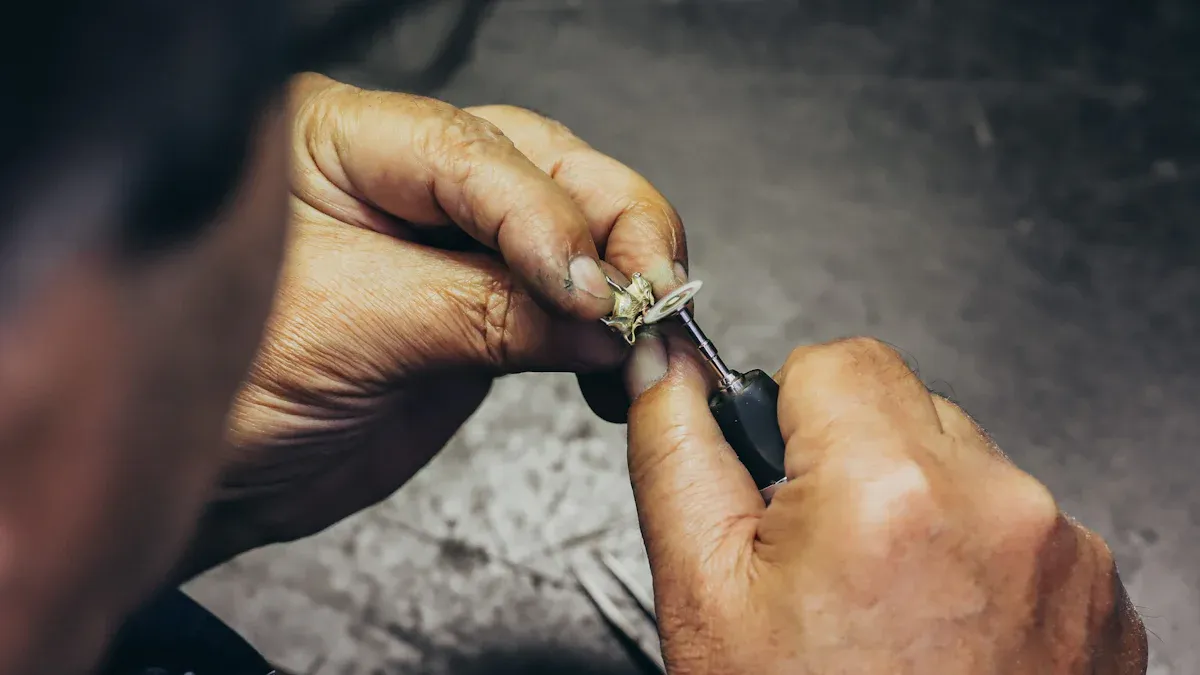
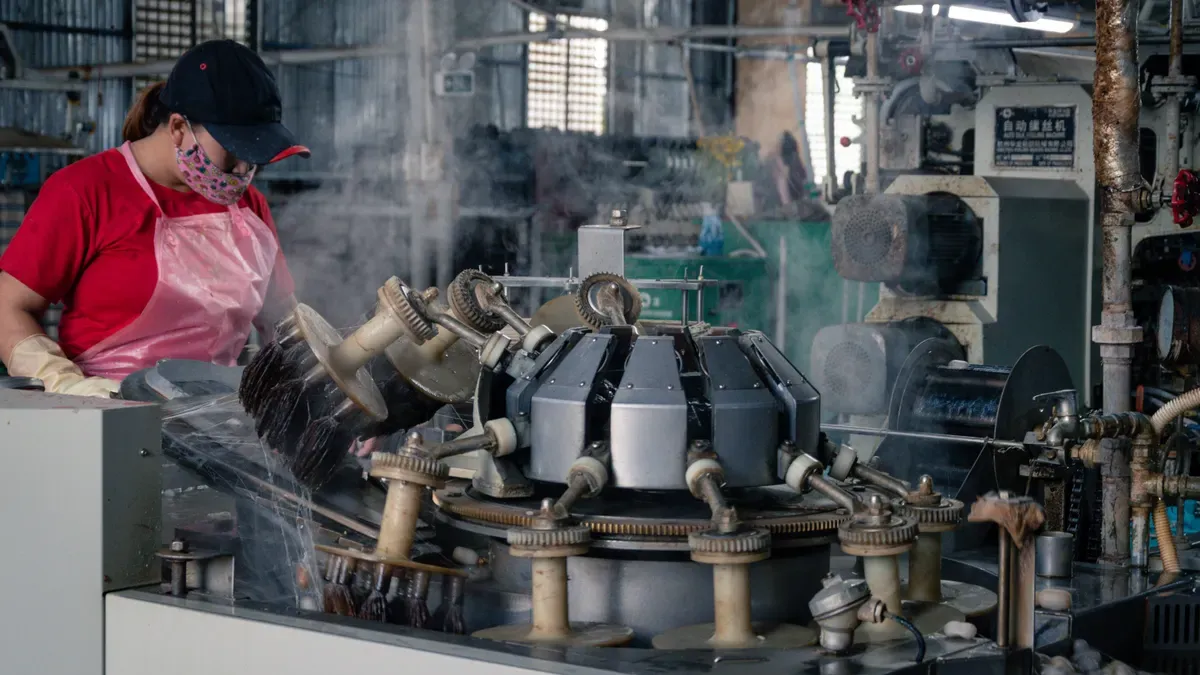
The company uses manufacturing equipment and experienced craftsmen to produce jewelry according to confirmed design and quality requirements.
Whether a project involves custom jewelry or mass production, product specifications and quality control remain important parts of the manufacturing process.
Buyers can communicate their expectations during the development stage so that material selection, sampling, and inspection requirements are clearly established.
Perfect Jewelry has undergone SMETA-related assessment, RCS-related certification, and technical evaluation.
The company also provides full insurance coverage for its workers and considers employee welfare an important part of responsible manufacturing.
For brands with supplier responsibility requirements, these practices provide relevant information for evaluating a potential manufacturing partner. Buyers should confirm the specific scope of applicable certifications and assessments when conducting supplier due diligence.
Manufacturing is only one part of completing an international jewelry order.
Perfect Jewelry also supports product packaging and cooperates with logistics providers to arrange transportation.
In addition, the company can provide product photography to help customers present jewelry for online stores, product catalogs, and other marketing applications.
Combining these services can reduce the number of separate suppliers that buyers need to coordinate.
A jewelry manufacturer generally focuses on producing jewelry according to established designs and specifications.
A custom jewelry supplier may provide a broader range of services, including design development, CAD drawings, gemstone sourcing, sample production, mass manufacturing, quality inspection, packaging, and photography.
The actual scope depends on the supplier, so buyers should confirm which services are available before starting a project.
Yes. Many custom jewelry projects begin with reference images rather than complete technical drawings.
A supplier with design and CAD capabilities can review the reference, discuss material options, and develop a technical design for approval.
Buyers should provide additional information about gemstone types, dimensions, metal requirements, and intended product use whenever possible.
Depending on the supplier's sourcing resources and the design requirements, custom jewelry may incorporate zircon, semi-precious stones, natural gemstones, diamonds, and other decorative materials.
The appropriate choice depends on the desired appearance, budget, durability requirements, and product positioning.
Buyers should confirm the exact material specifications before sample development.
Start by approving a detailed sample and documenting all relevant product specifications.
These should include gemstone characteristics, material requirements, dimensions, setting details, surface finishing, and acceptable variations.
The manufacturer should use these references during production and conduct inspections according to the agreed quality standards.
For repeat orders, retaining the approved sample and technical documentation is particularly important.
Some manufacturers provide both services.
This is useful for brands that want to test a new product through sample development before increasing production quantities.
However, buyers should confirm the supplier's actual production capacity, minimum order requirements, and ability to maintain consistency as order volumes change.
Jewelry is a highly visual product. Customers often evaluate gemstone color, setting details, proportions, and overall appearance through product images before making a purchase.
Professional photography helps retailers prepare product listings, catalogs, promotional materials, and social media content.
Clear images can also reduce misunderstandings about product details.
Buyers should confirm the approved sample, product specifications, material details, order quantity, packaging requirements, inspection arrangements, delivery schedule, and shipping documentation.
For international sourcing, it is also important to clarify payment terms, shipping responsibilities, and any applicable import requirements.
Having these details documented helps both parties manage the order more effectively.
Finding the right custom gemstone jewelry supplier involves evaluating much more than product appearance. Gemstone sourcing, design development, CAD capabilities, manufacturing experience, quality control, production capacity, and responsible business practices all influence the success of a jewelry collection.
For brands, wholesalers, and private-label businesses, a supplier that can coordinate these processes offers a more practical approach to developing new products and managing repeat orders.
Since 2002, Perfect Jewelry has supported jewelry design, manufacturing, and export through its experienced craftsmen, design and CAD team, established material sourcing network, and integrated production services.
Whether you are developing a new gemstone jewelry collection, adapting an existing design, or looking for a manufacturing partner for ongoing wholesale production, clear specifications and early communication are essential.
Contact Perfect Jewelry to discuss your design references, gemstone requirements, and production plans. The team can help evaluate your project and explore suitable solutions for turning your jewelry concepts into finished products.


 EN
 English
 Italian
 Spanish
 Ukrainian
 Japanese
 Norwegian
 Portuguese
 Korean
 Russian
 French
 Danish
 German
 Arabic
 Back to List