Picking a trustworthy jewelry OEM supplier China in 2026 takes a clear step-by-step plan: decide your product and how many you need, find possible suppliers, check if factories are real, test quality and samples, talk about terms, and begin with a small trial order. Your brand's reputation and delivery dates depend on this choice. The main dangers include trading companies pretending to be factories, uneven plating, and hidden MOQs. These traps make careful checking very important. Focus on finding a jewelry supplier in China with proof you can verify. This method helps you find a reliable jewelry supplier that fits your needs. Product quality is still the base of your brand.
Figure out what you want to make, how many you need, and how much you can spend before you reach out to suppliers.
Check suppliers using inspection reports, business licenses, and video tours.
Check product quality by testing samples, and also examine plating thickness and materials.
Talk about MOQs, pricing, and lead times clearly, and get everything in writing.
Begin with a small test order to check quality and communication before you order more.
Before you talk to any supplier, write down three things: product type, material, and customization level. Product type means rings, necklaces, earrings, bracelets, or pendants. Material means gold, silver, stainless steel, or brass. Customization level means OEM, ODM, or private label. Each choice changes which suppliers can work with you.
Many brands miss key details when they brief suppliers. Problems include uneven plating, unstable color, poor finishing, loose stones, and wrong ring sizes. Packaging quality that affects how the product looks is also forgotten. Stone setting security matters because weak settings cause loss. Put sample approval processes and material standards in your brief. A clear brief cuts down on misunderstandings and rework a lot.
Your choice of material and plating directly affects product quality and cost. Thicker plating lasts longer but costs more. A responsible jewelry OEM supplier asks about these details. If you cannot answer them, your search will face needless delays.
Your target quantity, unit budget, and launch timeline decide which suppliers are realistic. A small boutique ordering 100 pieces has different options than a chain ordering 10,000. For custom jewelry, MOQs often range from 30 to 100 pieces per design. Your budget per unit shapes material choices and finish level. A tight timeline shrinks your sourcing pool a lot.
Failure to specify material and quantity early affects production lead time. Two orders with similar quantities can have very different schedules. One order has complete product information and materials ready. Another waits for missing components or production capacity. Before confirming delivery, ask yourself:
Is product information finalized?
Are required materials ready?
Has production capacity been allocated?
Is pre-production preparation complete?
Does the schedule reflect the actual order quantity and assortment?
Are there pending decisions that could change the production plan?
When a brand receives a lead-time estimate, product information must be clear enough. Required materials need to be ready at the right stage. The more uncertainty remains when bulk manufacturing begins, the greater the risk that the original schedule will need adjustment.
Define these requirements first. You then approach suppliers with confidence. A clear brief saves time and money. It provides value by ensuring accurate quotes and realistic timelines. Without clear requirements, you waste time on suppliers that cannot meet your needs.
Online marketplaces give you a quick way to start finding suppliers. Alibaba, Made-in-China, and Global Sources have thousands of sellers. You can sort by product type, material, and region. These sites are great for early research. They also let you compare prices from many sellers. But you must check every listing closely. Some sellers are just middlemen, not a real jewelry factory.
Trade shows give you a bigger edge. The Canton Fair and the Hong Kong Jewellery Show let you meet factory teams in person. You can touch samples and ask questions directly. This hands-on way lowers the risk of working with middlemen. A professional jewelry manufacturer will come to these events with a full catalog and production staff. Meeting face to face builds trust faster than any online chat.
Industry referrals often lead to the best partners. Ask other brand owners or designers about their jewelry supplier in China. A trusted contact can share honest feedback about quality and communication. This saves you weeks of trial and error. Referrals also give you a warm intro, which often leads to better terms.
Factory-direct websites let you skip the middleman completely. A direct jewelry manufacturer will list its own skills, certifications, and contact details. Look for a company that shows its production process and facility photos. You can also check if the site mentions trade show participation. A reliable jewelry oem supplier china buyers trust will make checking easy. Mix referrals with direct outreach for the best sourcing results. This two-way approach helps you find a partner who meets your product needs and timeline.
Verification tells you if a supplier is a real factory or just a trading company. You must confirm who the supplier is before you send any deposit. This step keeps your money and your brand safe.
Start by asking for three papers: a factory audit report, a valid business license, and export records. A factory audit report comes from a third-party inspection firm. It shows the supplier's production capacity, working conditions, and quality control system. The business license lists the company's legal name, registration number, and scope of business. Check the company name on the license against the name on the audit report and the export records. If the names do not match, you may be dealing with an intermediary. Ask for the most recent factory audit report. An expired document tells you little about current conditions.
You can also check the license through China's National Enterprise Credit Information Publicity System. This free database confirms registration status and legal representatives. A direct jewelry manufacturer will share these documents without hesitation. A trading company often stalls or sends incomplete papers. Request the audit and review every detail. This step takes one hour and saves months of trouble.
A live video tour lets you confirm that it's a real factory. Schedule the call during working hours in China. Ask the supplier to walk through the production floor without cuts. Prepare specific questions before the tour:
How many production lines do you run?
How many craftsmen work on the floor?
What is your monthly capacity?
Do you own the plating facility or outsource it?
A real jewelry factory owns its plating lines. Outsourced plating creates delays and inconsistent color. Ask about the quality control system at each stage. A professional jewelry manufacturer tracks defects and documents corrections. Request the factory audit report again if the tour raises doubts.
Use Perfect Design as a benchmark. This jewelry manufacturer in china has operated since 2002, bringing over 20 years of expertise. The company holds SMETA, RCS, and Technical Evaluation certifications. It provides full insurance for all workers and maintains a stable resource procurement system. These verifiable credentials show what a reliable jewelry supplier should offer. When you evaluate a jewelry oem supplier china candidate, compare their documents against this standard. A reliable jewelry supplier welcomes scrutiny. Reliable jewelry manufacturers in china expect buyers to verify that it's a real factory. Their strict quality control and transparent sourcing practices make verification easy. Ask for the factory audit report, check the license, and take the video tour. These three steps confirm you found a genuine partner.
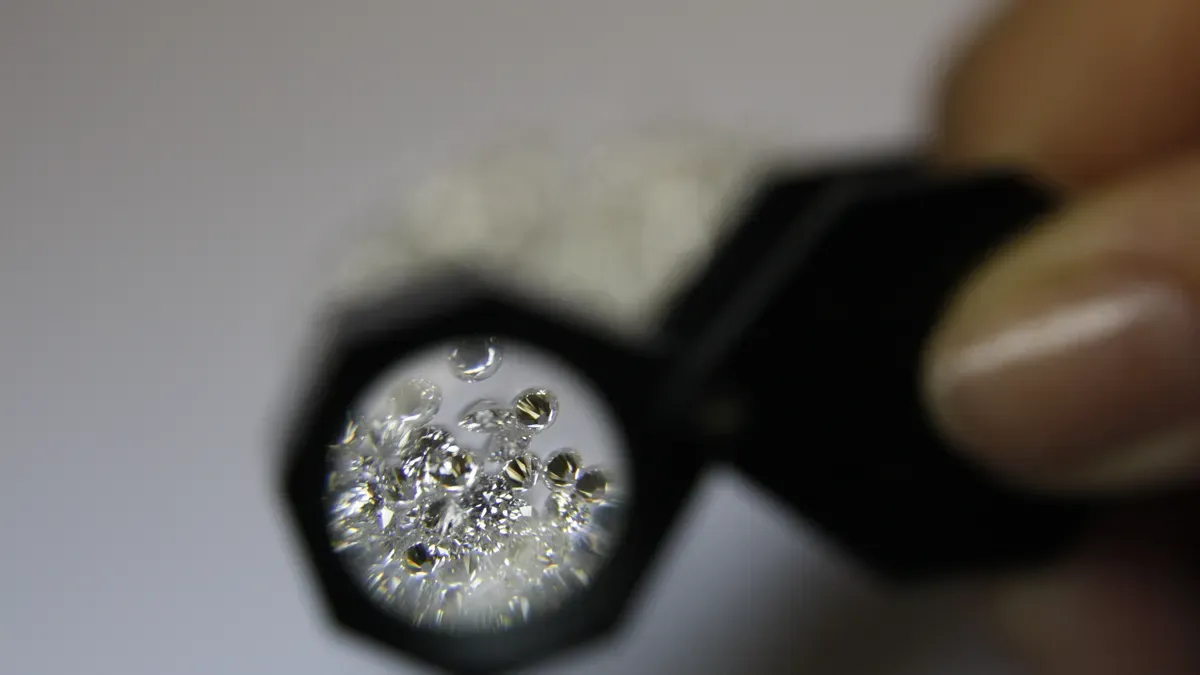
Check product quality by looking at the base metal, plating thickness, tarnish resistance, stone setting, and clasp strength. Plating thickness usually falls between 0.5 and 3 microns. Thicker plating lasts longer but costs more. A professional jewelry manufacturer keeps strict quality control during production. Check the plating thickness to make sure it meets your needs. Stone setting security is important. Weak settings cause stones to fall out during wear. Clasp strength directly affects how happy customers are. Reliable jewelry manufacturers in china offer OEM, ODM, wholesale, and private-label services. Confirm their experience with your model. Some factories focus on custom designs. Others focus on wholesale jewelry supplier services. Pick a partner whose skills match your product type. A strong quality control system keeps results consistent across each production run. Test for nickel, lead, and cadmium content. These restricted substances show up in many base metals and plating solutions. A reputable jewelry manufacturer in china gives test results when you ask. Compliance protects your brand from regulatory problems. Do not skip this testing step.
Quality comes first for every buyer. Use a sample inspection checklist to judge product quality and craftsmanship before bulk production. Check weight accuracy against the specification. Check finish consistency across all surfaces. Confirm hallmark correctness for metal purity. Review test results for nickel, lead, and cadmium levels. Inspect packaging condition for damage or defects. Make sure every detail meets your standard before approving bulk production.
Think about hiring a third-party inspector for pre-shipment checks. This step adds cost but lowers risk. The table below shows typical inspection costs for China-based factories.
Provider Type | Cost per Man-Day (USD) |
|---|---|
Global third-party (SGS, Bureau Veritas, TÜV Rheinland, Intertek) | $380–$450 |
Independent specialist agency (QIMA, V-Trust, local boutique) | $250–$350 |
Freelance inspector (your own network) | $150–$250 + travel |
Choose the provider type that fits your budget. A global firm gives a recognized report. A freelance inspector costs less. A reliable jewelry supplier relationship depends on consistent checks. Make the sample stage your first real test. If the sample fails, the bulk run will likely fail too. Good sourcing includes this verification step. When you evaluate product quality upfront, you avoid costly surprises. A clear checklist and proper testing make sure your product meets market expectations. A consistent inspection process builds trust with any jewelry supplier in china.
A dependable jewelry supplier gets back to you within 24 hours. You receive clear answers to all your questions. The supplier gives you a dedicated contact who knows your account. This person shares production updates without you having to ask. That kind of service shows true professionalism. When you check communication and reliability, pay attention to how fast they reply during the quoting stage. Slow replies now often mean slow replies during production.
Transparency is just as important. A trustworthy partner explains their pricing structure in simple terms. They break down material cost, labor, plating, and packaging. They also tell you upfront about any sourcing limits or material shortages. If a supplier avoids your questions or gives unclear answers, treat that as a warning sign. Good communication builds trust before you place any order.
For custom jewelry, minimum order quantity often ranges from 30 to 100 pieces per design. Ask about their pricing structure early on. Many factories offer tiered pricing, so a higher quantity lowers your unit cost. You can negotiate better rates once you show steady order volume. Realistic lead times usually run 7 to 15 days for sampling and 15 to 30 days for bulk production. Confirm their production time and delivery ability in writing before you commit.
Avoid common mistakes that cost buyers money. Some skip factory vetting and later find a trading company instead of a real jewelry manufacturer in china. Others ignore compliance and material quality checks. Many accept vague pricing without a written quote. Always request a formal quote that lists every cost. This protects your custom project and your budget. A reliable jewelry supplier will never hesitate to put terms in writing.
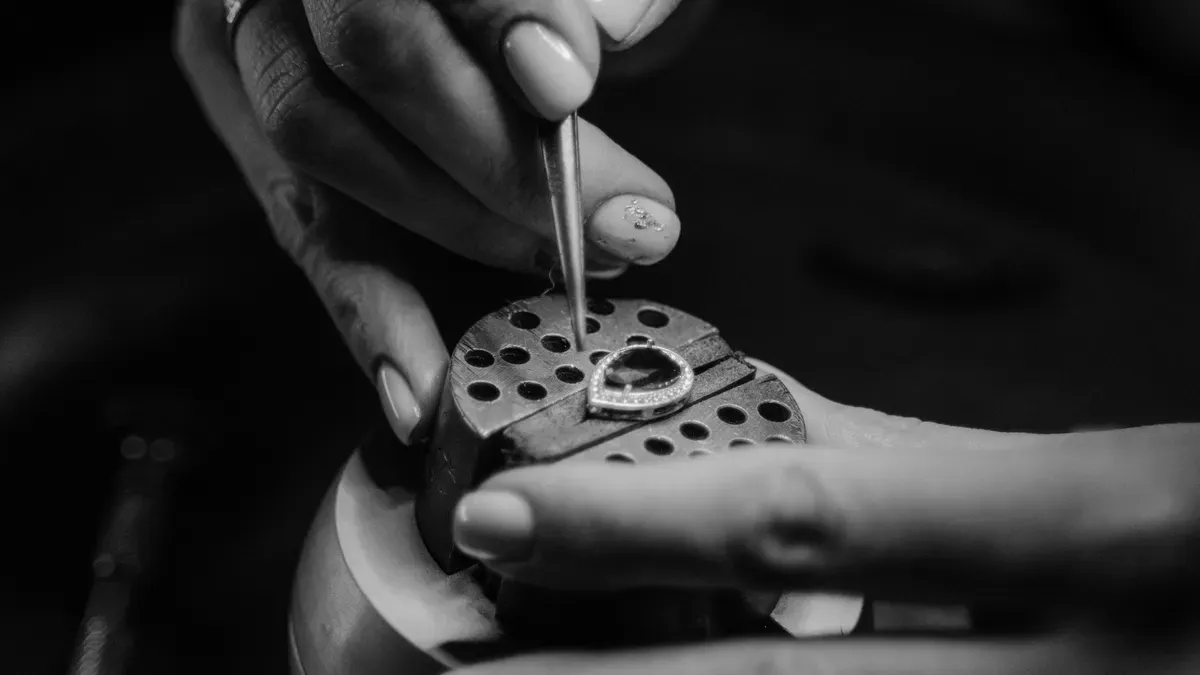
Good custom support begins with design help inside the factory. A skilled jewelry manufacturer in china can turn your idea into a 3D rendering first. You look at the rendering, ask for changes, and approve the final design. This step stops costly mistakes later on. Logo stamping and custom packaging work the same way. Your brand name can go on the clasp, the tag, or the box. Packaging shows your brand identity and keeps each piece safe during shipping.
Find a partner with real custom jewelry manufacturing experience. They should offer both oem and odm services. OEM means you bring the design yourself. ODM means they have ready designs you can adjust. Ask how they turn a trend-driven idea into a full collection that can scale. A reliable jewelry oem supplier china will show past work and explain each step. This level of service is what separates real factories from trading companies.
Begin your test order small. Choose one or two designs instead of a whole collection. This keeps your risk and upfront cost low. Follow these steps before you scale up:
Make sure the sample matches bulk production in weight, finish, and plating.
Check the first shipment against your approved sample.
Look at hallmark correctness, stone security, and packaging condition.
Compare delivery timing with the agreed schedule.
Scale the order only after quality and delivery stay consistent.
A test order protects your budget and your brand. You learn how the factory handles communication, quality, and deadlines. Reliable jewelry manufacturers in china welcome this approach. They know a small trial builds a long partnership.
Suppliers who attend trade shows and keep global partnerships stay ahead of trends. They see new materials and styles before the market does. This sourcing advantage makes them safer long-term partners. Your product line stays fresh, and your cost stays predictable.
You now have a clear plan to find a reliable jewelry supplier. Follow these steps in order:
Decide what you need.
Find possible suppliers.
Check if the factory is real.
Test the product with samples.
Talk about terms and prices.
Place a small trial order.
Grow your orders with confidence.
You can trust a supplier because you checked them, not because they made promises. Use the checklists and warning signs in this guide every time you pick a supplier. Look at audit reports, plating thickness, and test results before you pay. Your quality rules keep your brand safe.
Ready to start? Ask trusted suppliers for quotes, order samples, and get a supplier vetting checklist today.
Ask for audit reports and a business license. Set up a live video tour. Ask about how many production lines they have and if they own their own plating shop. This checking step protects your money and makes sure you are working with a true manufacturer.
Most factories need 30 to 100 pieces for each design. Start small with a trial order of just one or two designs. Good sourcing helps you get better prices as you order more.
Sampling takes 7 to 15 days. Bulk production takes 15 to 30 days. Get these time frames in writing before you order. A reliable supplier gives you updates without you having to ask.
Yes. Test for nickel, lead, and cadmium. Check that plating thickness is between 0.5 and 3 microns. These tests protect your product quality and your brand name. Ask for test results before you start bulk production.


 EN
EN
 English
  Italian
  Spanish
  Ukrainian
  Japanese
  Norwegian
  Portuguese
  Korean
  Russian
  French
  Danish
  German
  Arabic
  Back to List